
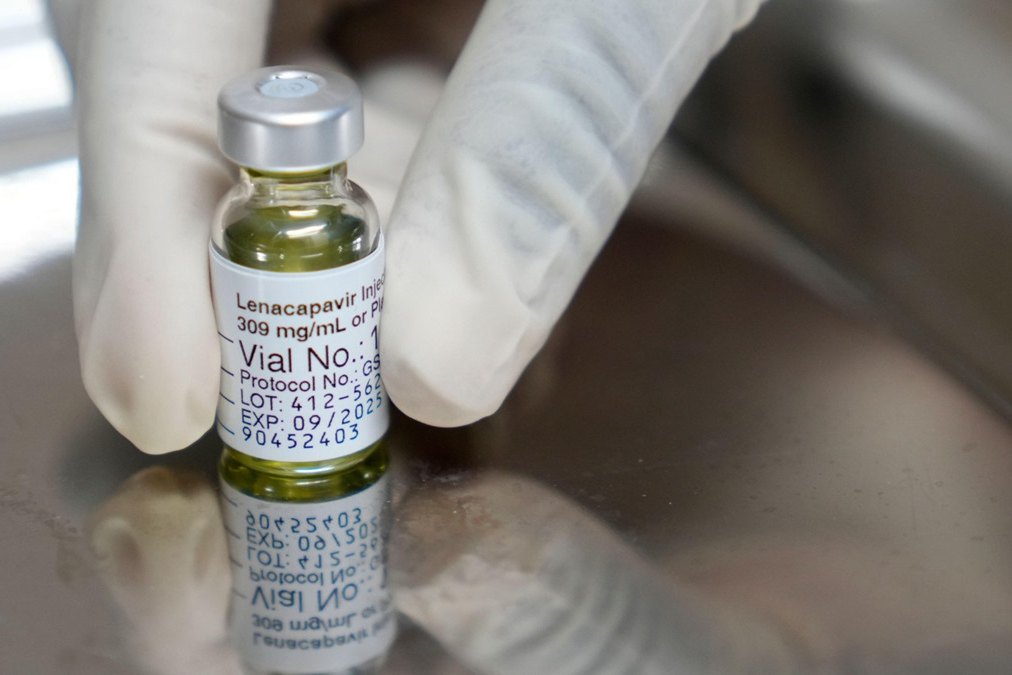
Gilead Sciences received U.S. Food and Drug Administration clearance for lenacapavir, now marketed as Yeztugo, after clinical trials demonstrated a dramatic reduction in HIV transmission among participants. The drug’s approval signals the first regulatory endorsement of a capsid inhibitor—a class that disrupts the protein shell protecting the virus’s genetic material—offering a novel mechanism compared with existing protease and integrase inhibitors.
Researchers had long sought an agent capable of striking HIV at several points in its replication cycle. Lenacapavir’s multi‑stage action appears to meet that goal, as trial results showed near‑elimination of viral spread in treated patients. By targeting the capsid, the medication makes it more difficult for the virus to develop resistance, potentially lowering the frequency of treatment failures and reducing the need for regimen changes.
Gilead’s chief executive, Daniel O’Day, hailed the clearance as a “major achievement,” underscoring the company’s historic involvement in HIV drug development while noting that Yeztugo represents a shift away from traditional drug classes. The FDA’s rigorous review process required clear evidence that the drug could sustain viral suppression—a key metric linked to reduced transmission risk and improved long‑term health for people living with HIV.
Leading HIV researcher Dr. David Wohl described the approval as a “major advancement,” reflecting the endorsement of professionals who encounter the limitations of current therapies daily. Clinicians often see patients struggle with daily pill burdens, adherence challenges, and emerging drug resistance. While Yeztugo does not resolve every issue, its capsid‑inhibiting action adds a valuable option for individuals whose existing regimens have faltered.
The development of lenacapavir spanned several years and involved coordinated efforts among scientists, clinicians, and industry specialists. Gilead invested heavily in the molecule, and the FDA’s decision provides a pathway for the drug to be incorporated into treatment guidelines. However, widespread use will depend on physician prescribing patterns, insurance coverage decisions, and patient acceptance.
Trial data indicated sharp declines in viral loads, the primary indicator of treatment efficacy. Lower viral loads correlate with a decreased likelihood of HIV transmission and a slower progression of disease. Nonetheless, the real‑world durability of Yeztugo remains to be seen, as HIV is a lifelong infection and long‑term effectiveness will be monitored over years of post‑approval use.
For the broader HIV field, the approval demonstrates that innovation continues beyond the era of combination “cocktail” therapies that emerged in the 1990s. Although Yeztugo is not a cure or a vaccine, it expands the therapeutic arsenal and offers a new line of defense when older drugs lose potency.
Gilead stands to gain a new revenue stream from the drug, while patients gain an additional treatment choice that may simplify dosing and improve adherence. The FDA’s green light marks the transition from experimental promise to clinical reality, setting the stage for further evaluation of capsid inhibition as a durable strategy against HIV.




