
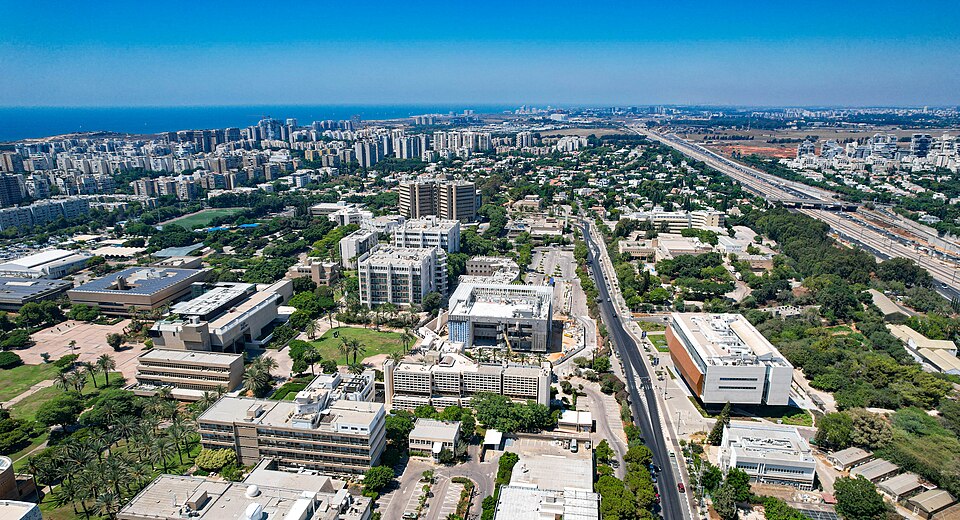
The standing of this Mediterranean city as a global center for technology and innovation provides the backdrop for a biomedical discovery that could reshape how clinicians understand and treat cancer. Researchers at Tel Aviv University, the largest university in Israel, have identified a precise mechanism by which cancerous tumors commandeer a routine immune-system cleanup process and convert it into a driver of tumor growth.
The findings, published in the peer-reviewed journal Science Immunology, were led by Dr. Merav Cohen of the Gray Faculty of Medical and Health Sciences, working with doctoral students Roi Balaban and Ori Moskowitz. The work emerges from a city that began in 1909 as a Jewish housing settlement on the outskirts of Jaffa and grew into a modern urban center, later reunified with Jaffa to form the municipality of Tel Aviv-Yafo.
Today, Tel Aviv’s status as a high-tech hub gives its universities access to the talent and collaboration needed to conduct advanced biomedical study that reaches well beyond local borders.
How Macrophages Become Hijacked Inside Tumors
The investigation centered on macrophages, immune cells whose routine job is to clear damaged and dead cells from tissue. That clearance process normally prevents inflammation and maintains healthy function.
Inside a cancerous tumor, however, the same cleanup apparatus can go awry. The Tel Aviv team developed a new technology they call Effero-seq, designed to track what happens to immune cells after they have engulfed dead cells. Using this tool, the researchers found that macrophages that consumed dead cancer cells underwent what they describe as “reprogramming.” In this altered state, the macrophages activated genes associated with tumor growth.
The team tested the consequences using a melanoma model. They observed that macrophages that had consumed dead cancer cells encouraged the formation of new blood vessels inside tumors.
Those additional vessels supplied the tumor with oxygen and nutrients, allowing it to grow more rapidly. The study also revealed that these reprogrammed macrophages became less responsive to signals that normally trigger anti-cancer immune activity—further undermining the body’s natural defenses.
Evidence From Patient Data Points to Aggressive Disease
The researchers expanded their work by analyzing data from patients with uveal melanoma, a form of eye cancer. They found that patients whose tumors showed higher levels of this reprogramming activity had more aggressive disease.
This correlation between the cellular reprogramming and clinical outcomes adds weight to the idea that the mechanism is not a laboratory artifact but a factor in real human cancers. The study’s focus on macrophages—a cell type central to both routine tissue maintenance and immune surveillance—highlights a subtle but powerful way that tumors exploit normal physiological processes. Because the cancer cells are not invading the immune system from the outside but rather reprogramming it from within, the hijacking is difficult for the body to detect and counter on its own.
Potential Path Toward Restoring Immune Function
The discovery points toward possible new treatment strategies that could reverse the reprogramming and restore the immune system’s ability to fight cancer. By targeting the specific genes and pathways activated in macrophages after they consume dead cancer cells, researchers may develop drugs or interventions that keep those immune cells in their normal, anti-inflammatory state.
Such an approach would effectively remove the nutrient supply and oxygen that tumors depend on for rapid growth, while also preserving the macrophages’ capacity to respond to anti-cancer signals. The work enters a stream of science produced within Tel Aviv’s broader urban and economic setting, where research institutions operate with the resources of a globally recognized innovation center. Findings made here can shape how clinicians elsewhere approach disease, and this study offers a concrete molecular target for future therapies.
As with all emerging medical research, individuals should consult their doctor for medical advice.
{“@context”: “https://schema.org”, “@type”: “NewsArticle”, “headline”: “Tel Aviv researchers uncover cancer growth mechanism”, “description”: “TEL AVIV, July 4 — The standing of this Mediterranean city as a global center for technology and innovation provides the backdrop for a biomedical…”, “datePublished”: “2026-07-04T09:30:00+00:00”, “author”: {“@type”: “Person”, “name”: “Reza Karimi”}, “publisher”: {“@type”: “Organization”, “name”: “InfoPulse Today”, “url”: “https://newsfeed.2bme.xyz/”}}




