
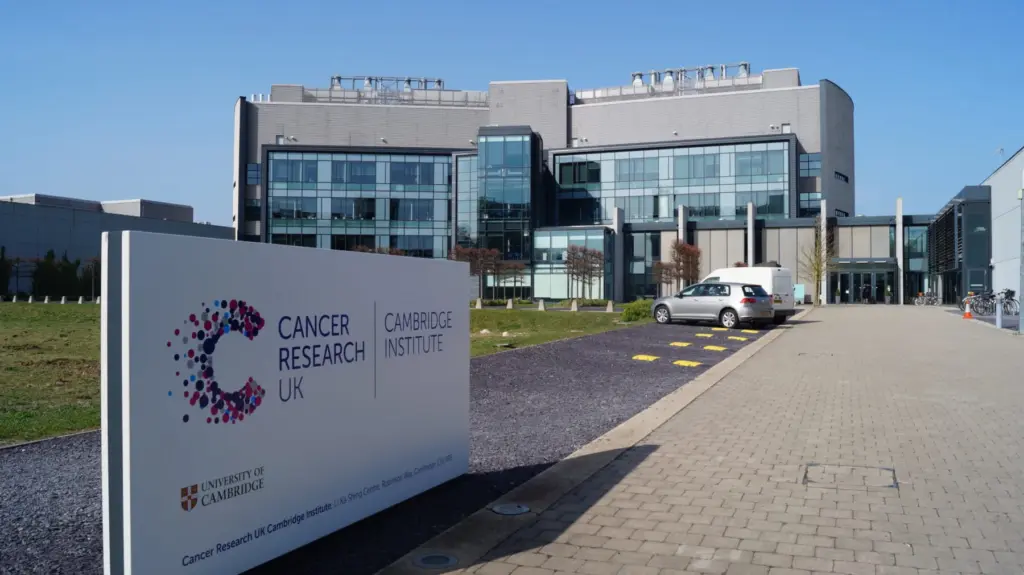
One in three Britons who spotted a red-flag cancer symptom did not contact their GP for six months. That is the finding from Cancer Research UK. The charity says something is stopping people from acting.
The cost of that delay can be measured in lives. Nearly one in two people will get cancer at some point.
Early diagnosis means less invasive treatment. It means a better shot at survival. So why are people waiting?
The charity identified three main barriers. Difficulty getting an appointment topped the list.
Some people chose to manage the symptom on their own. Others simply had too many other things to worry about. Even among those who did see a doctor, 43% did not return when symptoms persisted.
They walked away from a follow-up. That number is stark. It suggests the system is failing patients at multiple points.
The eight symptoms flagged by Cancer Research UK are specific. A change in a mole.
An unexplained lump. Bleeding between periods or after sex or after menopause. A sore that will not heal.
Blood in urine or stool. Trouble swallowing.
Weight loss without trying. Coughing up blood. None of these guarantees cancer.
Over 90% of urgent GP referrals turn out to be something else. But that is exactly why people should go. The same signs can indicate many conditions.
Some are serious. Some are not.
A doctor is the only one who can tell the difference. Michelle Mitchell, the charity’s chief executive, put it plainly. Nearly half of us will face this diagnosis.
Spotting it early gives the best chance. The findings arrive alongside a partnership with Tesco.
Pharmacists in Tesco stores have received special training. The idea is to give people another place to start. Not everyone can get a GP appointment.
A pharmacy might be easier. It might be faster. It might be the nudge someone needs.
But the broader picture is worrying. A third of people ignoring symptoms for six months is a large number.
Multiply that across the population. The missed opportunities add up. Cancer does not wait.
It grows. It spreads.
The difference between a stage one diagnosis and a stage four diagnosis can be months. It can be the difference between a course of pills and aggressive chemotherapy. Between living and dying.
The barriers are real. GP surgeries are stretched. Appointments are scarce.
People are busy. They are tired.
They tell themselves it is nothing. They hope it will go away. Sometimes it does.
Sometimes it does not. But the data from Cancer Research UK shows a pattern.
A consistent pattern. People are not acting. And the system is not catching them.
The Tesco partnership is one response. It is a limited one. Pharmacists cannot diagnose cancer.
They can offer advice. They can point people toward their GP.
They can flag symptoms that need attention. It is a step. It is not a solution.
The real fix would be easier access to primary care. Shorter waiting times.
Follow-up systems that actually follow up. A culture that tells people it is okay to be worried. That it is okay to go to the doctor for something that might be nothing.
Cancer Research UK’s numbers make the stakes clear. Delay costs lives. The charity has laid out the problem.
The symptoms. The barriers.
The consequences. Now it is on the health system to respond.
{“@context”: “https://schema.org”, “@type”: “NewsArticle”, “headline”: “Cancer Research UK finds one in three delay six months after spotting symptoms”, “description”: “One in three Britons who spotted a red-flag cancer symptom did not contact their GP for six months. That is the finding from Cancer Research…”, “datePublished”: “2026-06-29T14:05:15+00:00T09:30:00+00:00”, “author”: {“@type”: “Person”, “name”: “Dmitry Volkov”}, “publisher”: {“@type”: “Organization”, “name”: “InfoPulse Today”, “url”: “https://newsfeed.infopulsetoday.com/”}}




