
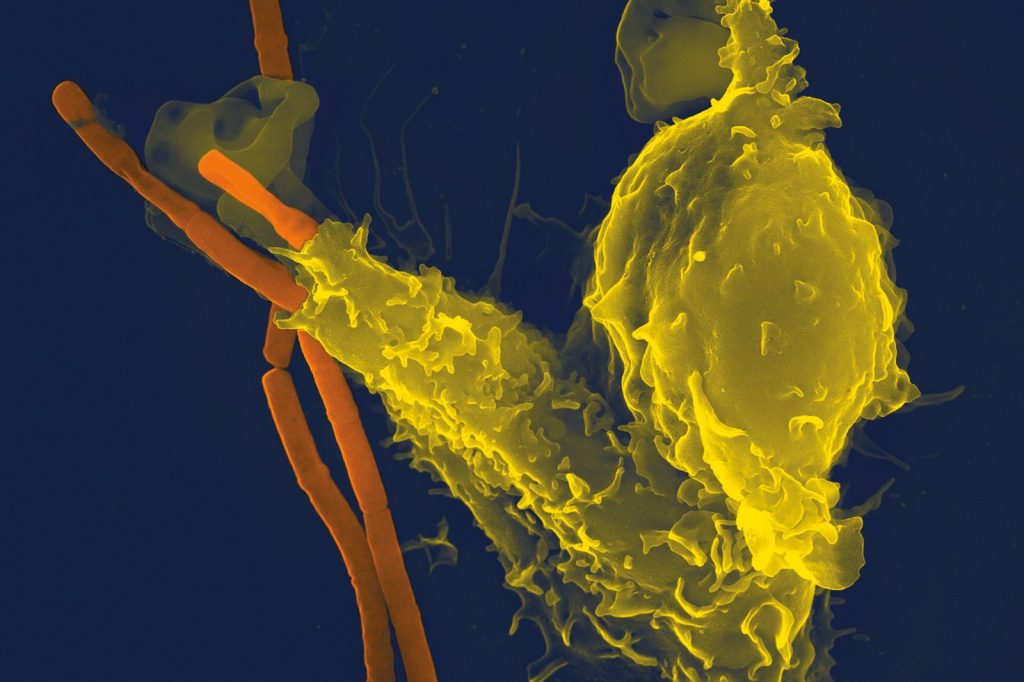
ROME, July 8 — A new filing from immunology researchers outlines the architecture of the human immune system as a coordinated network of cells, tissues, and organs that defends the body against harmful pathogens including bacteria, viruses, fungi, and parasites. The record shows that key components include white blood cells known as leukocytes, the lymphatic system, the bone marrow, the spleen, the thymus, and the tonsils.
The immune response is divided into two main branches: the innate immune system, which provides a rapid, non-specific first line of defense, and the adaptive immune system, which develops a targeted response to specific pathogens and retains memory for faster future responses. Sources familiar with the research note that innate immunity includes physical barriers such as skin and mucous membranes, chemical barriers including stomach acid and enzymes in tears, and immune cells like macrophages, neutrophils, and natural killer cells.
The adaptive immune system involves lymphocytes—B cells and T cells—that recognize specific antigens. B cells produce antibodies that neutralize pathogens, while T cells can kill infected cells or help coordinate the broader immune response. The immune system also has regulatory mechanisms to prevent overreaction and autoimmunity, where it attacks the body’s own cells.
On the timeline of medical science, vaccination works by exposing the immune system to a harmless form of a pathogen, prompting the production of memory cells without causing disease.
Common Immune Disorders and Historical Milestones
Common immune disorders include allergies, which represent an overreaction to harmless substances; autoimmune diseases such as rheumatoid arthritis, type 1 diabetes, and multiple sclerosis; and immunodeficiencies including HIV/AIDS. The study of immunology has advanced significantly since Edward Jenner’s smallpox vaccine in 1796 and Louis Pasteur’s rabies vaccine in 1885.
Major milestones include the discovery of antibodies by Emil von Behring and Shibasaburo Kitasato in 1890, the structure of antibodies by Gerald Edelman and Rodney Porter in 1972, and the development of monoclonal antibodies by César Milstein, Georges Köhler, and Niels Jerne in 1975. According to the record, the immune system’s role in cancer surveillance is also a key area of research.
Mechanisms of Defense and Regulation
The innate immune system provides a rapid, non-specific first line of defense. Its physical barriers include skin and mucous membranes. Chemical barriers include stomach acid and enzymes in tears.
Immune cells such as macrophages, neutrophils, and natural killer cells are also part of this branch. The adaptive immune system develops a targeted response to specific pathogens and retains memory for faster future responses.
This branch involves lymphocytes—B cells and T cells—that recognize specific antigens. B cells produce antibodies that neutralize pathogens. T cells can kill infected cells or help coordinate the immune response.
The regulatory mechanisms that prevent overreaction and autoimmunity are critical to maintaining health. When these mechanisms fail, the immune system can attack the body’s own cells, leading to autoimmune diseases.
Vaccination and Immunotherapy Advances
Vaccination works by exposing the immune system to a harmless form of a pathogen, prompting the production of memory cells without causing disease. This principle, first demonstrated by Edward Jenner’s smallpox vaccine in 1796, remains fundamental to modern immunology. The discovery of antibodies by Emil von Behring and Shibasaburo Kitasato in 1890 laid the groundwork for understanding humoral immunity.
The structure of antibodies was determined by Gerald Edelman and Rodney Porter in 1972. The development of monoclonal antibodies by César Milstein, Georges Köhler, and Niels Jerne in 1975 revolutionized research and therapy.
The filing concludes that the immune system’s complexity continues to be a focus of intensive research, with implications for treating infectious diseases, autoimmune conditions, and cancer. Consult your doctor for medical advice.
{“@context”: “https://schema.org”, “@type”: “NewsArticle”, “headline”: “Researchers Unveil Human Immune System’s Coordinated Defense Against Pathogens”, “description”: “ROME, July 8 — A new filing from immunology researchers outlines the architecture of the human immune system as a coordinated network of cells, tissues,…”, “datePublished”: “2026-07-08T09:30:00+00:00”, “author”: {“@type”: “Person”, “name”: “Ariel Antonio”}, “publisher”: {“@type”: “Organization”, “name”: “InfoPulse Today”, “url”: “https://newsfeed.infopulsetoday.com/”}}




