
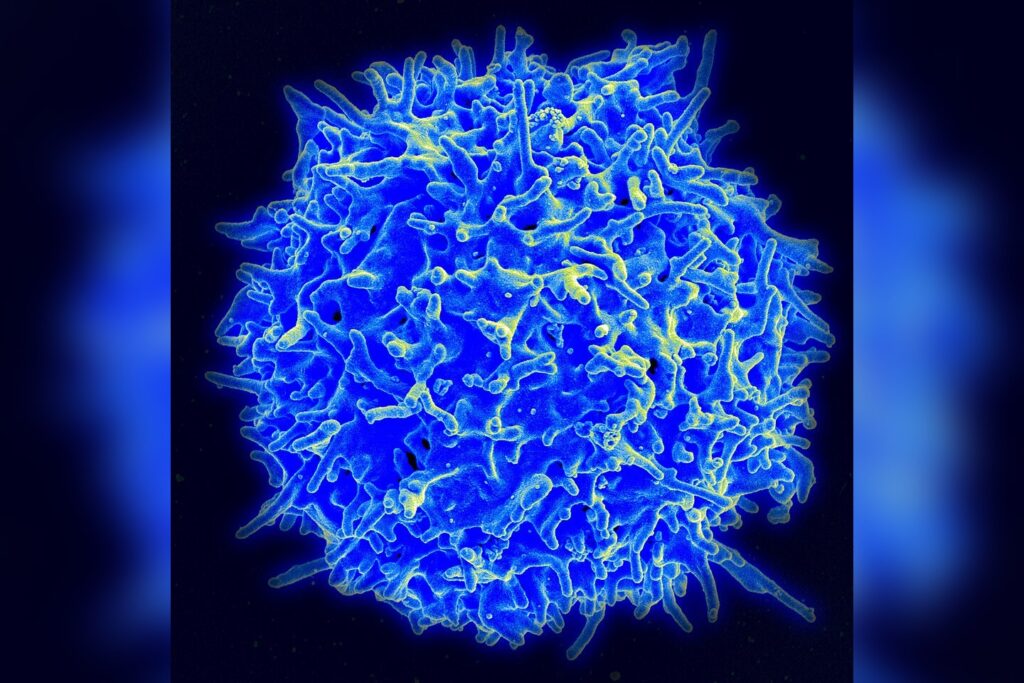
MANILA, July 8 — The human body’s first line of defense against infection is a remarkable system that works around the clock, often without us even noticing. For families across the region, understanding how our immune system operates can be a source of empowerment, especially as we navigate seasonal illnesses and new health challenges. The innate immune system is our immediate, non-specific shield.
It includes physical barriers like the skin, which covers about 1.5 to 2 square meters, making it the largest organ we have. Mucous membranes lining our respiratory, digestive, and urogenital tracts also serve as frontline guards.
These barriers are reinforced by chemical defenses: stomach acid, with a pH between 1.5 and 3.5, can destroy many pathogens, while lysozyme in our tears and saliva works to break down bacterial cell walls. Cellular troops are always on standby. Macrophages patrol our tissues, engulfing and digesting foreign invaders.
Neutrophils, the most abundant type of white blood cell, make up 50 to 70 percent of all leukocytes and are rapid responders to infection. Dendritic cells act as messengers, capturing antigens and presenting them to T cells to activate the next phase of defense.
Natural killer cells, meanwhile, target and destroy virus-infected cells and tumor cells without needing prior exposure. This immediate response is complemented by the adaptive immune system, which develops a targeted, memory-based defense over time. It relies on two key types of lymphocytes: B cells, which mature in the bone marrow, and T cells, which mature in the thymus.
B cells produce antibodies, also known as immunoglobulins, that bind specifically to antigens, neutralizing pathogens or marking them for destruction by other immune cells. There are five classes of antibodies. IgG is the most abundant, accounting for 75 percent of serum antibodies.
IgA is found in mucous membranes, protecting entry points like the nose and gut. IgM is the first antibody produced during an initial infection.
IgE is involved in allergic reactions, and the function of IgD is still not fully understood by researchers. T cells play distinct roles. Helper T cells, marked as CD4+, activate B cells and coordinate the broader immune response.
Cytotoxic T cells, marked as CD8+, directly kill infected cells. This division of labor ensures that the body can mount a precise and effective attack.
What this means for communities is that the immune system has memory. After an infection, memory B and T cells persist in the body, allowing a faster and stronger response if the same pathogen is encountered again. This principle is the foundation of vaccination, a breakthrough first demonstrated by Edward Jenner in 1796, when he used cowpox to protect against smallpox.
This science underpins every vaccine we receive, from childhood immunizations to annual flu shots. It is a reminder that our bodies are equipped with sophisticated tools to fight disease, and that medical research continues to build on this natural capacity. Consult your doctor for medical advice.
{“@context”: “https://schema.org”, “@type”: “NewsArticle”, “headline”: “Innate vs. Adaptive Immunity: The Two-Layer Defense System Explained”, “description”: “MANILA, July 8 — The human body’s first line of defense against infection is a remarkable system that works around the clock, often without us…”, “datePublished”: “2026-07-08T09:30:00+00:00”, “author”: {“@type”: “Person”, “name”: “Merry Gel Sigui”}, “publisher”: {“@type”: “Organization”, “name”: “InfoPulse Today”, “url”: “https://newsfeed.infopulsetoday.com/”}}




