
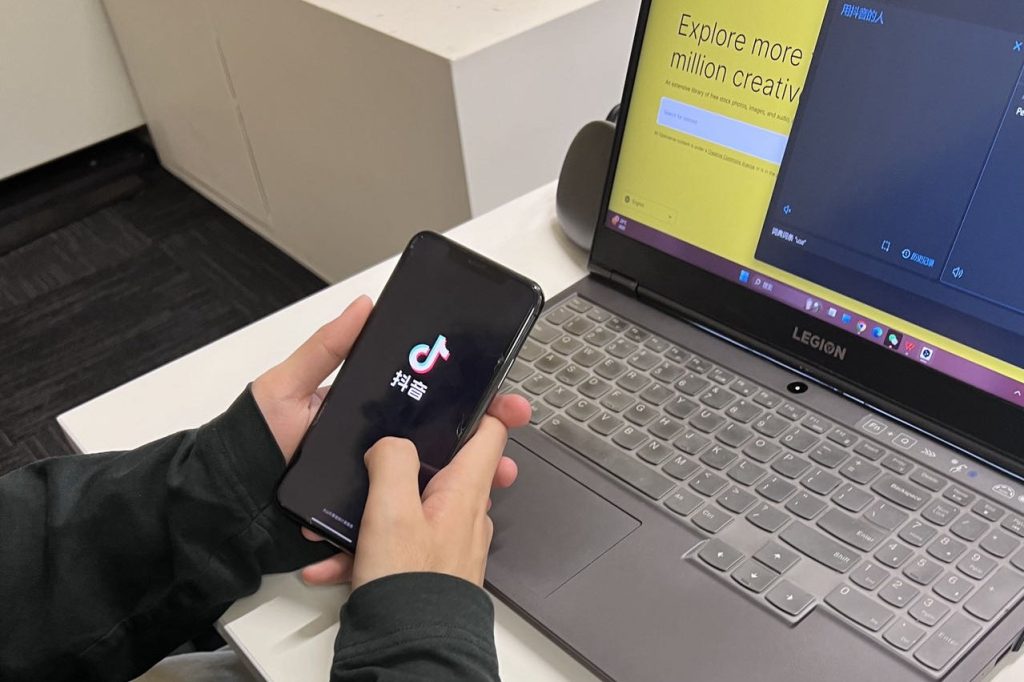
MALE, July 22 — A sharp warning from the Maldives Health Ministry on July 21 has put TikTok at the centre of a growing public health concern. The ministry said the short-video platform, alongside other social media channels, has become a key vehicle for promoting unregulated weight loss powders and supplements across the island nation. For communities across the Maldives, where online health advice often blends with commercial messaging, the warning is a reminder of how quickly unverified products can gain traction.
The ministry’s statement did not name specific brands or products, but it singled out the role of TikTok’s algorithmic recommendation system in accelerating the spread of such claims.
How TikTok Fuels the Hype
The short-video format, paired with TikTok’s powerful feed algorithm, has made it easy for distributors of these powders to reach a wide audience. Users scrolling through their “For You” page may encounter what appears to be casual testimonials or before-and-after videos, without obvious markers of advertising. The Health Ministry warned that this makes it difficult for consumers to separate evidence-based advice from commercial hype.
Ismail Fazil, an exercise science coach based in the Maldives, echoed the ministry’s concern. Fazil noted the platform’s role in amplifying unsupported health promises.
His observation points to a wider problem: when fitness influencers and supplement sellers operate outside regulatory oversight, users — especially young people — can be left vulnerable to misleading claims. The ministry’s advisory reflects a broader Asian reality. While the Maldives is one of the smaller nations in the region, its experience with TikTok-driven health fads mirrors trends seen from the Philippines to Indonesia.
Closer to home, Filipino communities have similarly grappled with unverified diet products promoted via social media, though the Maldives warning is the most recent official response to the phenomenon.
An Uneven Playing Field for Consumers
What the warning does not say is perhaps just as important: the powders and supplements being advertised are unregulated. That means no government body has vetted their ingredients, dosages, or safety claims. In the fast-paced world of TikTok trends, a product can go viral long before regulators have a chance to examine it.
For families in the region, the challenge is twofold. First, identifying what is a legitimate health recommendation and what is paid promotion.
Second, understanding that even if a product has many likes and shares, it does not mean it has passed any clinical test. The Health Ministry has not announced specific penalties for platforms or sellers. But the public statement serves as a clear signal that authorities are watching.
It also puts responsibility on users to stay cautious — a task that becomes harder when health advice comes wrapped in a 60-second dance video. Looking ahead, the question is whether TikTok, which has faced scrutiny in other parts of the world over content moderation, will respond with targeted measures in the Maldives.
For now, the ministry’s advisory stands as a warning to anyone scrolling through their feed: not everything that shines is safe.
Sources
{“@context”: “https://schema.org”, “@type”: “NewsArticle”, “headline”: “TikTok under scrutiny for unverified weight loss ads”, “description”: “MALE, July 22 — A sharp warning from the Maldives Health Ministry on July 21 has put TikTok at the centre of a growing public…”, “datePublished”: “2026-07-22T09:30:00+00:00”, “author”: {“@type”: “Person”, “name”: “Merry Gel Sigui”}, “publisher”: {“@type”: “Organization”, “name”: “InfoPulse Today”, “url”: “https://newsfeed.infopulsetoday.com/”}, “citation”: [{“@type”: “CreativeWork”, “url”: “https://en.wikipedia.org/wiki/TikTok”}]}




