
NEW YORK, July 21 — A rare but serious injury known as testicular rupture has drawn attention after Kuroda-Grauer underwent emergency surgery on July 20 following blunt trauma. The condition, which occurs when the tunica albuginea — the fibrous covering of the testicle — tears under impact, requires prompt medical intervention to preserve the testicle.
Early findings suggest that most cases of testicular rupture stem from a direct blow to the scrotum, often during sports activities. Baseball, for instance, is a common setting because a batted or thrown ball can strike the groin area with considerable force. Symptoms typically include severe pain, noticeable swelling, nausea, and sometimes blood in the urine. An ultrasound is used to confirm the diagnosis.
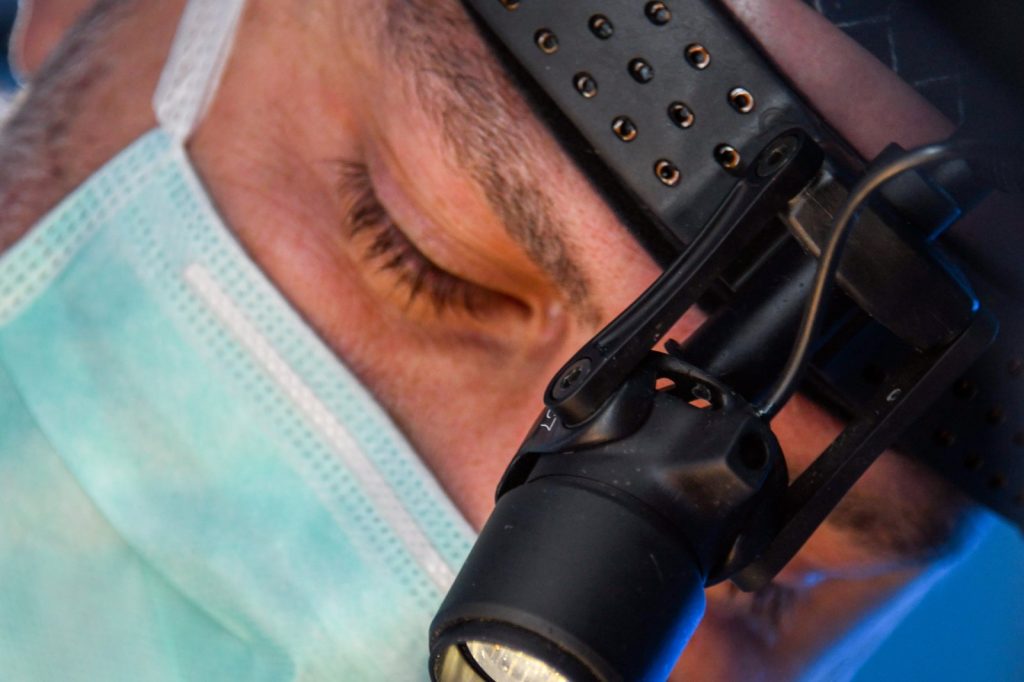
Emergency surgery and recovery
Once diagnosed, testicular rupture demands immediate surgical repair. The goal is to suture the torn tunica albuginea and, if the blood supply is still intact, save the testicle. In cases where the testicle is nonviable — meaning it can no longer function — surgeons may need to perform an orchiectomy, or removal of the testicle.
The encouraging part is that most patients who receive timely surgery can expect a full recovery. Post-operative care typically involves rest, ice packs applied to the area, and pain management. Most patients return to their normal daily activities within four to six weeks. However, those who play intense sports or engage in heavy physical labour may need to wait longer before resuming full exertion.
Patients should be aware of potential complications after surgery. These include infection, a hematoma — a collection of blood outside the blood vessels — and, less commonly, reduced fertility. The testicles are responsible for sperm production, so any significant injury or loss of a testicle can affect future fertility. Talk to your doctor about fertility concerns if you have experienced such trauma.
Prevention and protective gear
Preventing testicular injury is straightforward in principle: wear protective equipment such as a jockstrap and an athletic cup. Sports like baseball, hockey, and martial arts pose a higher risk. Yet early findings also indicate that many athletes, particularly baseball players, choose not to wear cups, citing discomfort or restricted movement. This personal decision can leave them vulnerable to the kind of blunt trauma that causes rupture.
Kuroda-Grauer’s case, which led to emergency surgery on July 20, serves as a reminder of the consequences that can follow even a single, strong impact to the groin. While the identity and sport of the individual have not been detailed beyond the injury and surgical date, the medical community uses such examples to underscore the importance of protection.
The recovery outlook is generally positive when patients follow medical advice closely. Rest, careful monitoring for signs of infection, and gradual return to activity form the core of the rehabilitation plan. Most men can expect to maintain normal sexual function and fertility after a successfully repaired testicular rupture, though each case is different.
The takeaway is straightforward: protective gear can reduce risk, and prompt medical attention — including an ultrasound if symptoms arise — is vital. If you or someone you know experiences testicular pain, swelling, or bruising after a blow to the groin, do not delay seeking care.
Consult your doctor for medical advice.




