
The cholera outbreak first identified on 1 February 2023 is now pressing South Africa’s public‑health capacity in ways that could have lasting effects. A continuous flow of infections has pushed health authorities from routine surveillance into emergency mode, diverting already‑stretched resources to containment.
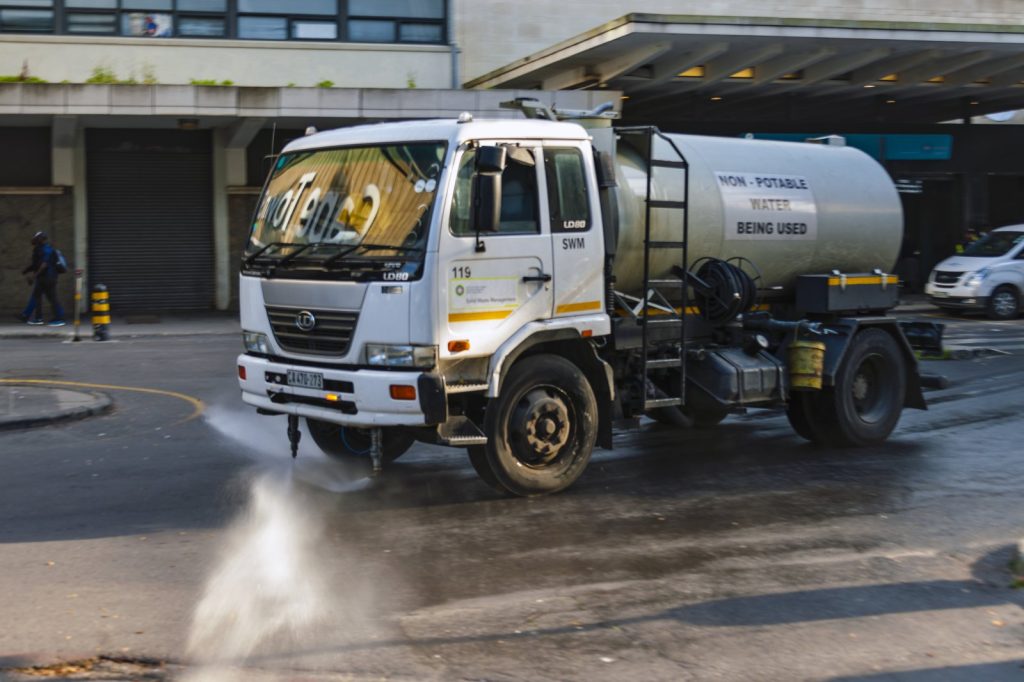
Cholera spreads most readily where water and sanitation fail, and South Africa’s municipal water networks have been weakening for years due to chronic under‑investment. In several provinces, households already depend on tanker trucks or boreholes for drinking water, and those same supplies are now being examined as possible transmission routes. Officials are racing to test water sources, but laboratory capacity is limited; each cholera test reduces the ability to run other diagnostics.
Patients are arriving at treatment centres in a steady stream. The disease causes rapid dehydration, with victims losing litres of fluid within hours. Standard care involves oral rehydration salts and, for severe cases, intravenous fluids. Public hospitals hold stockpiles of these supplies, yet the reserves are finite. Should the outbreak widen, the supply chain for oral rehydration salts could tighten, as South Africa imports most medical consumables and global demand has risen following recent cholera spikes in Malawi, Haiti and Syria.
Public education campaigns now stress three simple actions: boil water, wash hands and avoid raw food washed with tap water. The advice assumes access to fuel for boiling and soap for handwashing—resources that are scarce in informal settlements around Johannesburg and Durban, where many of the cases are concentrated. Outreach workers are distributing water‑purification tablets, but reaching every shack in every settlement remains a logistical challenge.
The outbreak’s trajectory will hinge on the coming weeks of late summer weather. Heavy rains, typical for February, can flood pit latrines, carry sewage into streams and create standing water that encourages bacterial growth. If rains are intense, transmission could accelerate; a drier spell would give containment measures a better chance. Health officials are preparing for the worst‑case scenario despite the unpredictability of the weather.
Laboratories are sequencing the circulating strain, which has not yet been fully described in published studies. Determining whether the pathogen is a new variant or a familiar one will guide decisions on vaccine use. While cholera vaccines exist, southern Africa does not keep large stockpiles, and the World Health Organization’s global reserve is under constant pressure. South Africa has not yet requested emergency vaccine supplies, but that could change if case numbers rise.
Investigations suggest the outbreak follows typical cholera pathways—fecal contamination of water or food. Early cases were linked to a funeral where mourners shared a water source, while other infections lack a clear connection, indicating environmental circulation of the bacteria. Pinpointing exact sources is essential for halting the current spread, yet the broader issue remains the long‑term neglect of water and sanitation infrastructure.
For the moment, the response focuses on treatment and prevention: hospitals are rehydrating patients, outreach teams are handing out chlorine tablets, officials are tracing contacts and testing water samples. Cholera outbreaks eventually subside, but the key question is how many will be affected before that happens and whether the emergency response will leave South Africa better equipped for future incidents.




