
NEW YORK — The fundamental question dividing how Americans store their money comes down to a single word: interest. A savings account pays it. A UPI wallet does not.
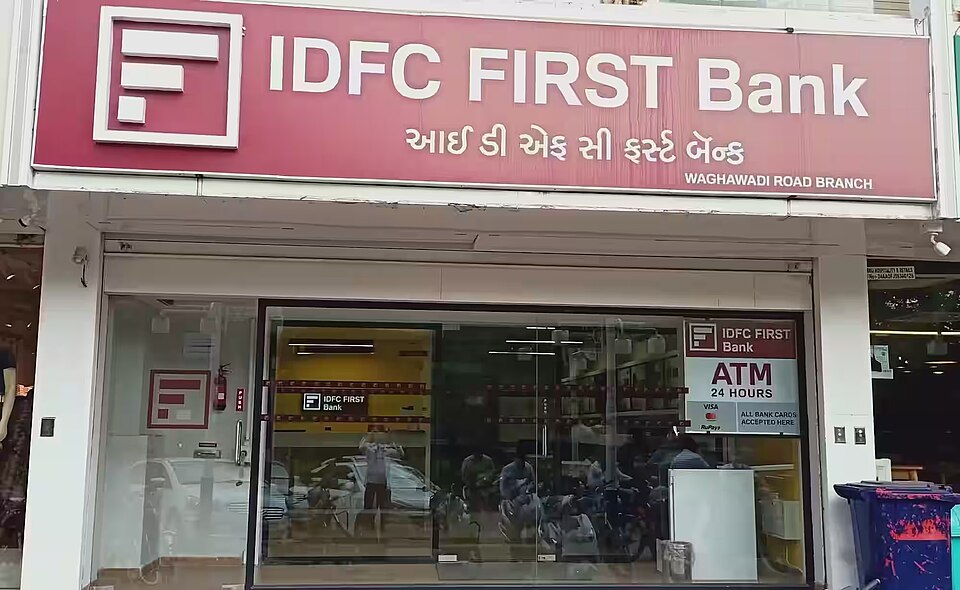
That one difference, buried in the fine print of how these two tools work, changes everything about what each product is actually for. IDFC FIRST Bank offers a fully digital savings account process with video KYC.
Open it on your phone, verify your identity through a camera, and you’re done. Money goes in. Interest accrues on eligible balances.
The bank handles the rest. A UPI wallet is a different beast entirely.
It’s a digital payment solution that stores money electronically. People use it for retail purchases, utility bills, peer-to-peer transfers, merchant payments, and small-value transactions. It’s fast.
It’s convenient. It lives on your phone. But the report explicitly states UPI wallets are generally not designed to function as a primary savings or deposit product.
That is not a minor caveat. That is the whole point.
Think of the difference in practical terms. A savings account offers fund transfers, ATM access, online and mobile banking, bill payment facilities, and secure storage. All that, plus interest.
A UPI wallet offers speed and convenience for everyday spending. No interest.
No long-term growth. No safety net for your savings. The report frames the choice with a kitchen metaphor.
A savings account is the sturdy pantry where you store bulk goods for the long haul. A UPI wallet is the lunchbox you grab on your way out the door. Both hold food.
Neither is wrong. But you wouldn’t stock your pantry with lunchbox portions, and you wouldn’t pack a lunch from the pantry’s bulk bins without first deciding what you actually need for the day.
The confusion arises because both products live on your phone. Both involve moving money. Both feel modern.
But the underlying architecture is completely different. A savings account is a regulated bank product.
A UPI wallet is a payment tool. One builds wealth slowly, over time, through compound interest. The other facilitates transactions.
That is its job. For anyone trying to decide where to park cash, the report makes the answer clear. The question is not which product is better.
The question is what you need the money to do. If you want to grow it, even modestly, a savings account is the only option that pays you for keeping money there.
If you want to spend it quickly and conveniently, a UPI wallet is designed for exactly that. The report lists common features for savings accounts: interest earnings on deposits, fund transfers, ATM access, online and mobile banking, bill payment facilities, and secure storage. For UPI wallets: retail purchases, utility bill payments, peer-to-peer transfers, merchant payments, and small-value transactions.
The lists do not overlap much. They were not meant to.
This is not a competition. A savings account and a UPI wallet serve different purposes. The danger is treating them as interchangeable.
People who dump their savings into a wallet for convenience lose out on interest. People who avoid wallets entirely miss the speed and ease of digital payments for daily expenses. The sensible approach is both.
Keep long-term money in a savings account where it earns interest. Use a UPI wallet for the cash you plan to spend this week or this month.
The pantry and the lunchbox. Each has its place.




