
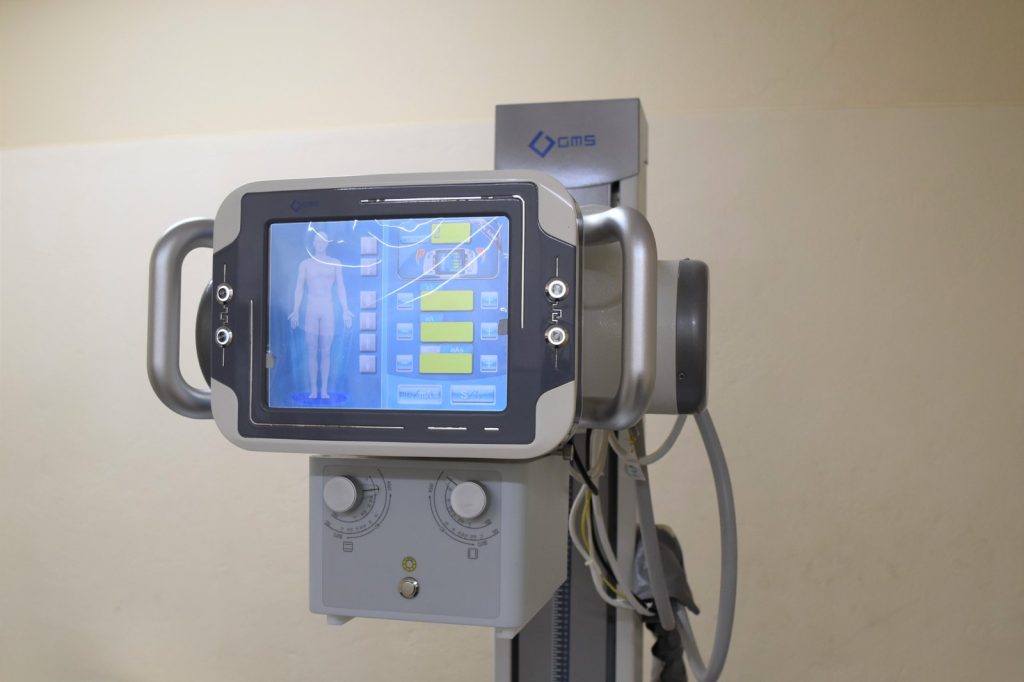
The Reality of Cancer in Developing Countries
The professor’s experience highlights a broader challenge: cancer’s impact is compounded by weak health systems in many low- and middle-income nations. Cancer is a group of diseases defined by uncontrolled cell growth. Malignant tumors invade nearby tissue or spread; benign tumors do not. Hundreds of distinct types exist, arising from genetic changes within a cell. A small share of cancers stems from inherited defects; most result from environmental and lifestyle factors that accumulate over time.
Many cancers are linked to preventable causes. Tobacco use, excessive alcohol consumption, obesity, and a diet low in fruits and vegetables all increase risk. A significant portion of cancers worldwide are caused by infectious agents, including hepatitis B and C viruses, human papillomavirus (HPV), and the bacterium Helicobacter pylori. Vaccination against hepatitis B and HPV has been shown to drastically reduce the risk of cancers caused by those pathogens. The human immunodeficiency virus (HIV) does not directly cause cancer but weakens the immune system, dramatically raising the risk of cancers triggered by other infections.
Detection often begins with signs or symptoms, or through routine screening. Medical imaging and a biopsy typically confirm a diagnosis. Treatment may involve surgery, radiation, chemotherapy, or newer targeted therapies. A growing field called cancer immunotherapy harnesses the patient’s own immune system. Palliative care, focusing on advanced pain and symptom management, is especially important for those with advanced illness. Survival depends heavily on the type of cancer and how early it is caught. In higher-income countries, survival rates for many cancers have improved, though outcomes vary widely. Globally, cancer remains a leading cause of death, and access to timely diagnosis and effective care is uneven. Late detection, common in regions with limited medical infrastructure, reduces the chance of successful treatment. This reality underscores why awareness of risk factors, screening programs, and continued progress in treatment matter for patients and for families navigating the emotional and logistical challenges of serious illness across distances.
A Classroom Transformed by Loss
The professor’s students at the University of Nebraska-Lincoln did not know that some mornings he had to compose himself before walking in. They did not know he was grading their papers while waiting for updates from doctors in Nairobi. But he began to teach differently. He listened more. He slowed down. He came to believe that grief can become a kind of curriculum. There is growing evidence that personal loss can make educators more attuned to the struggles of their students. The professor now tells his students that writing is about making sense of chaos, and that the most important lesson is often the one never planned to teach.
His mother’s later cancer diagnosis arrived after he had already begun to understand that teaching is about presence. The lesson, he found, is not a theory he would have believed before 2014. The encouraging part, early findings suggest, is that the classroom can be a place of healing.
What Comes Next for Remote Caregivers
What to watch next is how medical institutions in countries with developing infrastructure can better support families separated by distance. Early findings suggest that telehealth and better communication networks could help, but the human cost of these gaps remains high. For anyone facing a similar situation, experts advise talking to a doctor about what resources exist for remote caregivers. The research is not complete, but the need is clear. Patients should consult their doctor for medical advice. The professor’s own story—a teacher shaped by loss, a caregiver unable to be present—illustrates the deep, often invisible burden carried by those who must navigate cancer from afar.




