
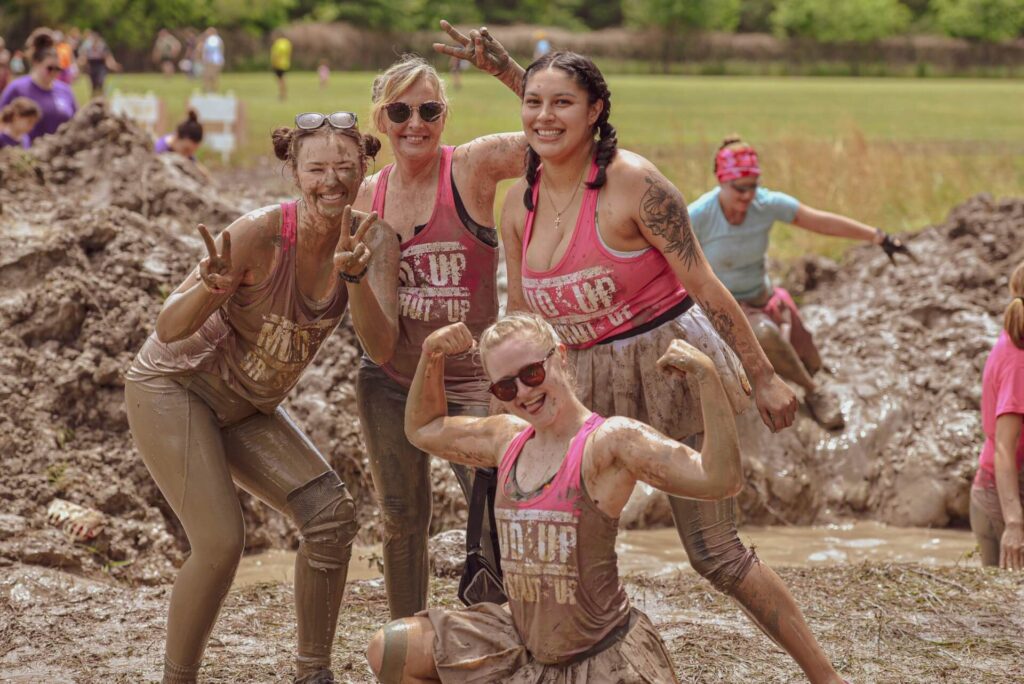
The morning air over Heaton Park carried the unmistakable scent of wet earth and determination on Saturday as thousands of runners fanned out across the undulating fields for the annual Race for Life Pretty Muddy 5 km obstacle course. Organisers had promised mess, and the park delivered: a thick layer of Manchester mud clung to trainers, shins, and sleeves, turning brightly coloured running gear into chocolate-brown uniforms by the first water station. Slips and slides punctuated every obstacle, yet the crowd moved forward, driven by personal milestones and shared purpose rather than finish-line times.
From Aristocratic Estate to Community Crucible
Heaton Park’s story begins centuries before Saturday’s mud bath. Medieval records show the Holland family as early stewards of the land, later transferring to the Egerton family in the late seventeenth century. In the 1770s, Sir Thomas Egerton—soon to become the first Earl of Wilton—commissioned Heaton Hall in a crisp neoclassical style, placing the young architect James Wyatt in charge.
William Emes, working in the Capability Brown tradition, then sculpted undulating lawns and sylvan copses that still frame the park today. By 1827 the estate hosted public race meetings on a course that circled the grounds until the events relocated to Aintree in 1839, but the park itself remained a constant backdrop for civic life.
Manchester City Council acquired the estate in 1902, adding an observatory, boating lake, and electric tram system that knitted the park into the expanding city. The resulting Grade II-listed municipal park now spans over six hundred acres and contains a Grade I-listed country house, a concrete telecommunications tower, a Papal monument, and a volunteer-run tram museum—each layer a testament to Heaton Park’s layered identity as both heritage asset and living commons.
Every Splatter a Step Toward Discovery
The Race for Life Pretty Muddy series uses precisely the kind of tactile challenge that Heaton Park’s landscape was designed to deliver. Organisers staged participants in waves from dawn to late afternoon, ensuring a steady stream of mud-spattered athletes negotiated slippery hurdles and crawl tunnels en route to the finish. The organisation—Cancer Research UK—reported a strong turnout despite the challenging conditions, reinforcing a pattern seen at similar events: community willingness to embrace discomfort when the cause is clear.
“The atmosphere was one of determination and community spirit,” an event spokesperson said, noting that brightly coloured outfits quickly surrendered their hues to the earthy palette of the course. Every pound raised on Saturday translates directly into research funding for scientists working on new treatments and early detection methods.
Funds also support the infrastructure that turns laboratory breakthroughs into patient benefit, a pipeline visible to participants who have watched friends, family, or their own lives touched by cancer. For those who missed the July 4 run, organisers point to an upcoming calendar of Pretty Muddy events and other Cancer Research UK fundraisers. The charity’s website lists dates, locations, and fundraising tips, underscoring the message that every contribution—large or small—matters.
In the broader context of Heaton Park’s evolution from aristocratic playground to civic stage, Saturday’s mud-caked miles offered a reminder that public spaces endure when they host not only recreation but also responsibility, turning physical exertion into social impact one splatter at a time.




