
The math is simple. A $34.57 billion market by 2035 doesn’t emerge from nowhere. It comes from a $8.36 billion base in 2025, growing at 15.3 percent each year.
Those numbers, from a report released Monday, describe a medical second opinion industry that is not just growing but accelerating. The question is why, and what that means for how people will get medical advice a decade from now.
The driving force is a shift in patient behavior. People are no longer accepting a single diagnosis as final. The report’s projected growth rate—15.3 percent compounded annually—reflects a structural change in healthcare consumption.
Patients are acting more like consumers. They shop around for treatment options.
They want confirmation before surgery or chemotherapy. They have seen too many stories of misdiagnosis to trust one doctor’s word without a second look. Technology is the enabler.
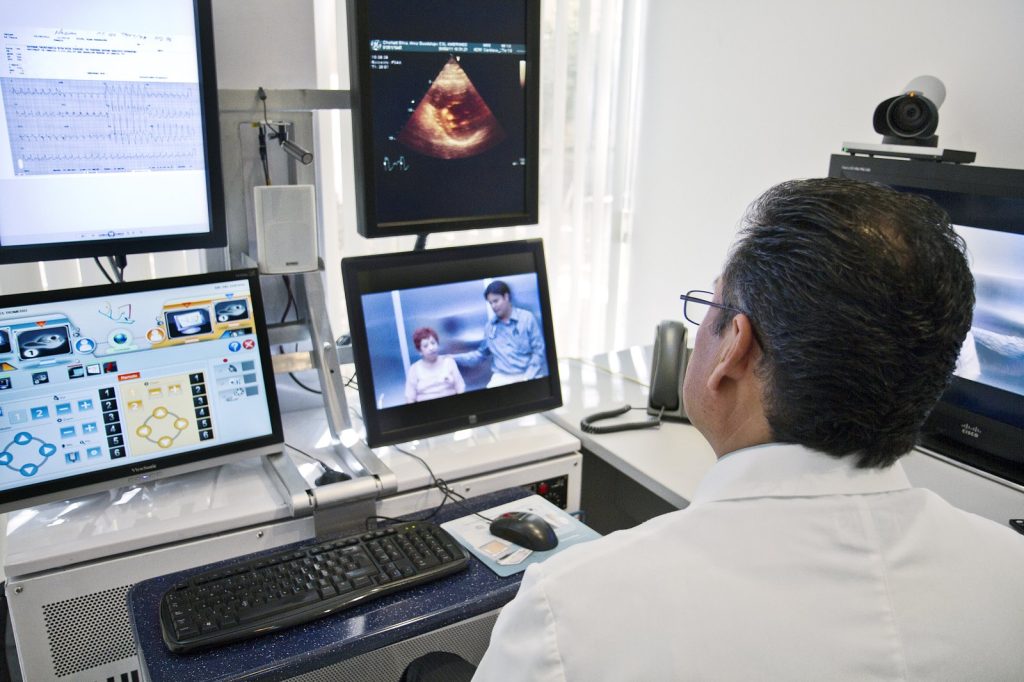
Digital health services have made second opinions possible without traveling across the country or waiting months for an appointment. A patient in rural Texas can upload their scans and records to a specialist in Boston or Baltimore. The specialist reviews the case and sends back an opinion within days.
That infrastructure did not exist at scale a decade ago. Now it does, and the market is responding.
The report values the current market at $8.36 billion. That is a concrete number. It represents real money spent by real patients, insurers, and employers.
It is not speculative. The projection to $34.57 billion by 2035 assumes the current trajectory holds.
But trajectories change. Recessions happen. Regulations shift.
The core driver—demand for accuracy—is unlikely to weaken. Consider the forces underneath the growth. One is the rising cost of medical errors.
A wrong diagnosis leads to wrong treatment, wasted money, and sometimes death. Second opinions are a cheap insurance policy against that risk.
Another force is the aging population. Older patients have more complex conditions. They are more likely to seek second opinions because the stakes are higher.
A third force is the sheer volume of medical research. No single doctor can keep up with every new study, every new drug, every new protocol.
A second opinion brings another set of eyes trained on the latest evidence. The market’s expansion will likely produce new business models. Some companies already offer flat-fee second opinions for specific conditions.
Others bundle them into employer health plans. The report suggests these services will become more common, more specialized, and more integrated into standard care. That is the logical endpoint.
A second opinion stops being an exception and becomes a routine step in the diagnostic process. There are limits to what the numbers tell.
The report does not specify which medical specialties will see the most growth. It does not say whether the market is concentrated among a few large players or fragmented among many small ones. It does not address how insurers will handle the added cost of routine second opinions.
These are open questions. The blunt fact is this: the medical second opinion market is growing at a pace that demands attention.
The report’s numbers are a signal. They point to a future in which no serious diagnosis is accepted without a second review. Whether that future arrives on schedule depends on technology, regulation, and the willingness of patients to demand more than one answer.
The market is betting it will.




