
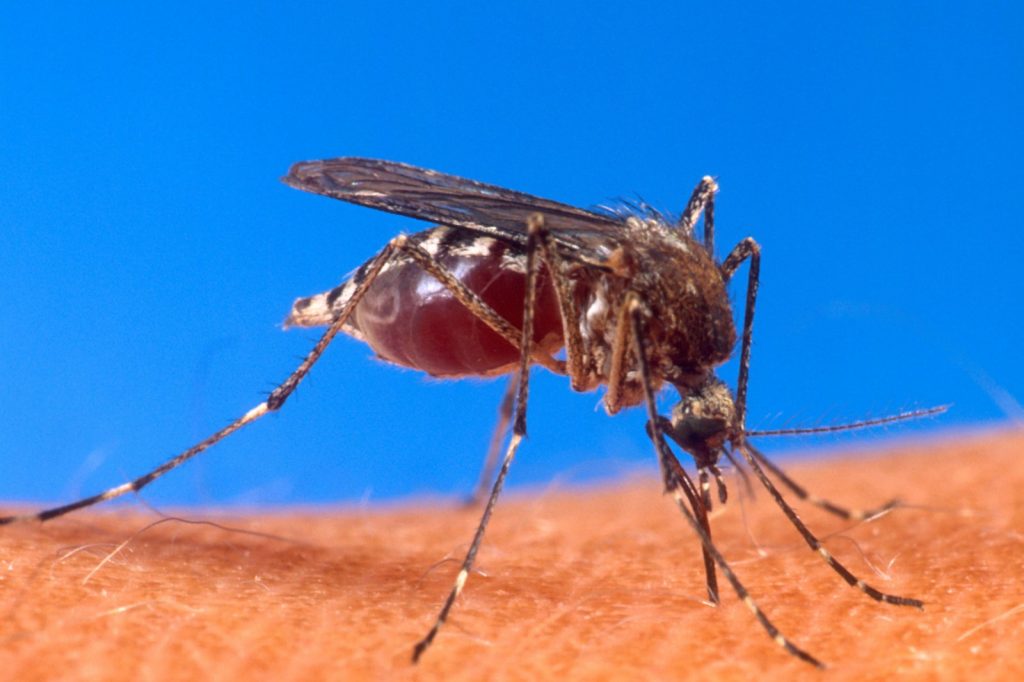
Health authorities in Latin America and the Caribbean are confronting an unprecedented dengue crisis, with 13 million suspected infections reported as of 9 January 2024. The tally includes more than 8 100 deaths, marking a 416 percent rise compared with the five‑year annual average for the disease.
The surge is continent‑wide. Brazil, Argentina, Paraguay, Uruguay, Peru, Ecuador and Colombia are among the hardest‑hit nations, while Central American countries—including Honduras, Nicaragua, Belize, Panama, El Salvador, Costa Rica and Guatemala—also report significant case numbers. Mexico is likewise affected, and no country in the region has escaped the outbreak.
By epidemiological week 19 of 2024, suspected dengue cases had climbed to 8 140 210, a 226 percent increase over the same week in 2023. This figure dwarfs the five‑year average for the period, underscoring that the current rise is not a seasonal spike but a sustained surge that exceeds recent historical records.
Severity of the disease is evident in the number of critical cases. Health ministries recorded 7 983 severe dengue cases during week 19 alone, a metric that reflects the strain on hospitals, intensive‑care units and blood‑transfusion services. Severe dengue can require prolonged hospitalization and, in some instances, can be fatal.
The data presented in the recent regional report cover figures up to 9 January 2024, with some statistics extending through May 2024. Consequently, the 13 million suspected cases and 8 186 deaths represent a minimum estimate; ongoing monitoring is expected to raise both counts.
Officials have not declared the outbreak over, and surveillance continues across all affected nations. The report does not attribute the surge to specific causes such as climate variations, mosquito resistance, or lapses in prevention programs. It simply documents the dramatic rise in cases and fatalities.
Dengue is a recurring health challenge in the region, but the magnitude of the 2024 episode is distinct. A 226 percent year‑over‑year increase and a 416 percent jump against the five‑year norm suggest a shift in underlying dynamics, potentially involving longer mosquito seasons or heightened viral circulation, though the report refrains from speculation.
Health systems are now tasked with managing a dual burden: treating the influx of dengue patients while maintaining routine medical services. The sheer scale—13 million suspected infections, over 8 000 deaths, and nearly 8 000 severe cases in a single week—highlights the extraordinary pressure on clinicians, hospitals and public‑health infrastructure.
While the report stops short of offering solutions or quoting individual experts, the numbers alone convey the urgency of the situation. Governments across the region are mobilising resources to address the crisis, but the challenge remains formidable.
The outbreak continues to evolve, and future updates are expected to adjust the current figures upward. For now, the recorded data stand as a stark indicator of a historic public‑health emergency sweeping the Latin American and Caribbean nations.




