
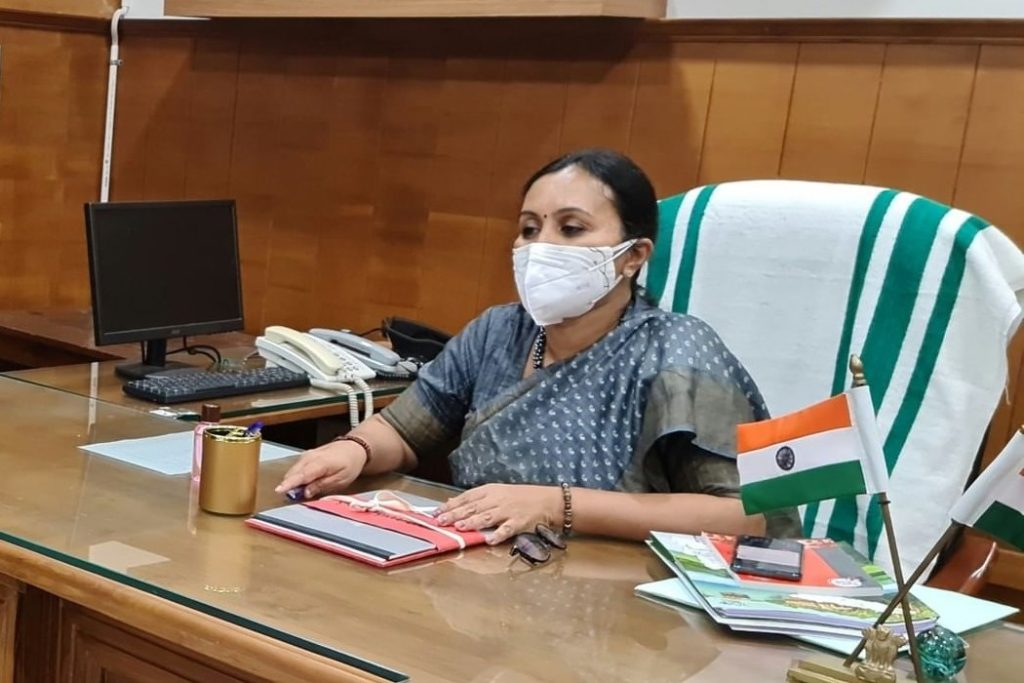
On July 14, 2022, Kerala’s Health Minister Veena George announced a suspected import of mpox, and within hours the National Institute of Virology verified the infection. The rapid confirmation highlighted a surveillance system capable of detecting an isolated traveler in a nation of more than 1.3 billion people, where any lapse could have amplified consequences.
India became the tenth Asian nation and the first in South Asia to report mpox. The region’s densely populated cities, porous borders and extensive internal migration create a complex web of potential transmission pathways that are difficult to monitor and even harder to seal off. The identified virus belongs to the West African clade—known to be less lethal than the Congo‑Basin variant but still transmissible through close, skin‑to‑skin contact.
Following the minister’s statement, state and central health authorities launched contact‑tracing operations, yet details about the patient’s travel history remain undisclosed. The lack of publicly available information on the source of infection leaves a critical gap, as pinpointing the entry point is essential for preventing secondary spread.
India’s public‑health infrastructure has advanced considerably in recent years, exemplified by a massive COVID‑19 vaccination rollout and upgraded disease‑surveillance networks. However, mpox presents a distinct challenge. Unlike SARS‑CoV‑2, which spreads primarily via respiratory droplets, mpox requires prolonged physical contact, making it theoretically easier to contain but more elusive to detect. An undiagnosed case in a crowded slum or a migrant labor camp could ignite a cluster before symptoms become apparent.
Kerala, the state where the case was identified, has a comparatively strong record in managing infectious threats, having previously contained Nipah virus outbreaks with aggressive measures. Mpox, however, moves more slowly and carries a social stigma that may discourage individuals from seeking care for fear of isolation or discrimination. Health officials must therefore balance rigorous surveillance with respect for privacy and aim to maintain public trust.
The response in India will likely serve as a template for neighboring South Asian countries—Bangladesh, Pakistan and Nepal—whose surveillance capacities are less robust. Should the virus establish a foothold in India, cross‑border spread appears probable given the high volume of daily inter‑state and international movement.
While the World Health Organization has not yet declared a Public Health Emergency of International Concern for mpox, the emergence of a case in a country of India’s size and connectivity reshapes the global risk assessment. The swift laboratory confirmation suggests functional testing capabilities, yet functionality alone may not suffice. Continuous availability of reagents, trained personnel, clear protocols, isolation facilities and protective equipment will be required to sustain the response.
At present, India records a single confirmed mpox case with a known genetic signature, and a health minister who acted promptly in the public domain. This marks the starting line of a containment effort that will be judged in the weeks ahead: whether the early detection reflects a one‑off success of surveillance or the first step in a broader transmission chain.




