Nivolumab/relatlimab (Opdualag) Receives Regulatory Nod in the United States and Europe
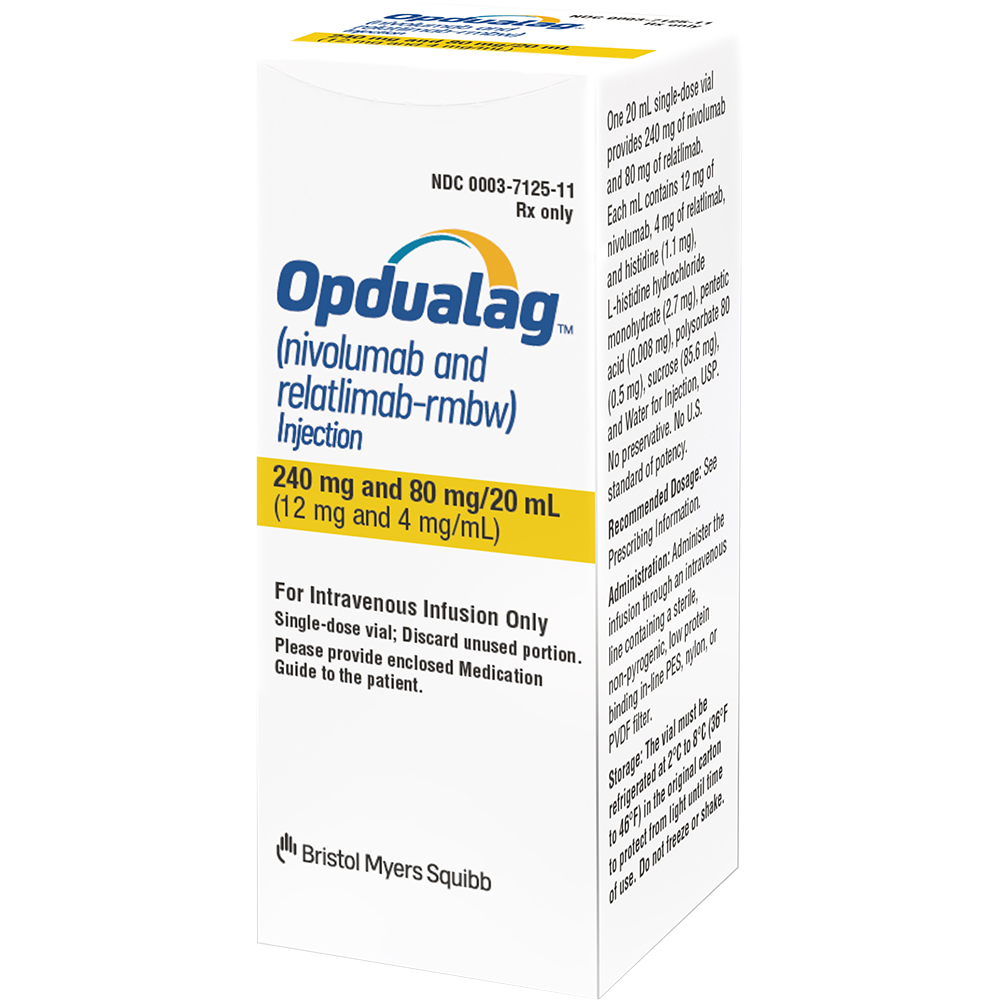
On September 15, 2022, the medical community highlighted the recent approval of a novel fixed‑dose combination therapy for melanoma, a form of skin cancer. The drug, sold under the brand name Opdualag, pairs nivolumab, a programmed death receptor‑1 (PD‑1) blocking antibody, with relatlimab, a lymphocyte activation gene‑3 (LAG‑3) blocking antibody.
Both components are delivered together as a single intravenous infusion. The United States Food and Drug Administration granted approval in March 2022, marking a significant step in the drug’s development. The FDA labeled Opdualag as a first‑in‑class medication, noting that its mechanism of action represents a new approach to treating melanoma.
Scientists explain that nivolumab works by preventing PD‑1 from binding to its ligands, thereby releasing a brake on the immune system and allowing it to target cancer cells. Relatlimab, meanwhile, blocks the LAG‑3 receptor, which normally dampens immune activity.
By inhibiting LAG‑3, relatlimab helps the immune system recognize and destroy tumor cells more effectively. Later in September 2022, the European Union also authorized the use of nivolumab/relatlimab for patients with melanoma. This decision broadened the drug’s availability beyond the United States and reflected agreement among international regulators about its potential benefit.
As a result of the EU authorization, individuals diagnosed with melanoma in European member states now have access to this intravenous treatment. Clinicians and patient advocates view the option as a possible source of new hope for those facing the disease.
Opdualag is administered exclusively via intravenous infusion, which provides a controlled and targeted delivery of the two antibodies. The FDA’s first‑in‑class designation underscores the uniqueness of the combined PD‑1 and LAG‑3 blockade and suggests that the therapy could address medical needs not met by existing treatments. Regulators and researchers note that this classification may stimulate further investigation into similar dual‑checkpoint inhibitors, potentially paving the way for additional therapies not only melanoma but also.
The medical community continues to monitor ongoing development and evaluation of Opdualag. Future clinical trials and studies are expected to yield more information about the drug’s efficacy, safety, and whether it could be useful against other cancer types.
Nivolumab/relatlimab (Opdualag) Receives Regulatory Nod in the United States and Europe
On September 15, 2022, the medical community highlighted the recent approval of a novel fixed‑dose combination therapy for melanoma, a form of skin cancer. The drug, sold under the brand name Opdualag, pairs nivolumab, a programmed death receptor‑1 (PD‑1) blocking antibody, with relatlimab, a lymphocyte activation gene‑3 (LAG‑3) blocking antibody.
Both components are delivered together as a single intravenous infusion. The United States Food and Drug Administration granted approval in March 2022, marking a significant step in the drug’s development. The FDA labeled Opdualag as a first‑in‑class medication, noting that its mechanism of action represents a new approach to treating melanoma.
Scientists explain that nivolumab works by preventing PD‑1 from binding to its ligands, thereby releasing a brake on the immune system and allowing it to target cancer cells. Relatlimab, meanwhile, blocks the LAG‑3 receptor, which normally dampens immune activity.
By inhibiting LAG‑3, relatlimab helps the immune system recognize and destroy tumor cells more effectively. Later in September 2022, the European Union also authorized the use of nivolumab/relatlimab for patients with melanoma. This decision broadened the drug’s availability beyond the United States and reflected agreement among international regulators about its potential benefit.
As a result of the EU authorization, individuals diagnosed with melanoma in European member states now have access to this intravenous treatment. Clinicians and patient advocates view the option as a possible source of new hope for those facing the disease.
Opdualag is administered exclusively via intravenous infusion, which provides a controlled and targeted delivery of the two antibodies. The FDA’s first‑in‑class designation underscores the uniqueness of the combined PD‑1 and LAG‑3 blockade and suggests that the therapy could address medical needs not met by existing treatments.