
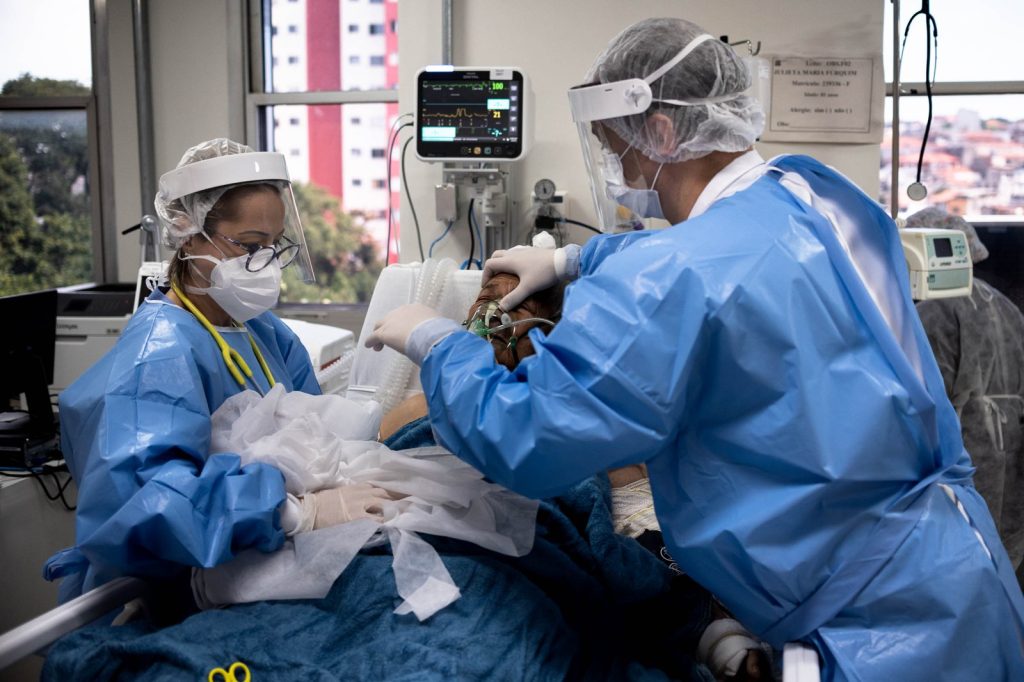
On 6 April 2020 a wave of export prohibitions on essential medical items—face masks, thermometers, protective clothing and related equipment—was announced by a number of nations. The measures were taken to safeguard domestic supplies as the coronavirus pandemic, which began in Wuhan, China, spread worldwide after its emergence in January 2020.
Critics quickly warned that such bans could leave many countries exposed to the virus. The pandemic has triggered a worldwide shortage of health‑care supplies. Nations that manufacture these products have increasingly turned inward, imposing export controls to give priority to their own populations.
British economist Simon Evenett warned that “export bans on masks… erode the capability of trading partners to cope with the spread of the coronavirus. Rather than beggar‑thy‑neighbour, this amounts to sicken‑thy‑neighbour.” He added that while governments have the political right to regulate exports, they also bear responsibility for encouraging global production of critical items during a crisis.
Export curbs have reshaped trade flows. Asian exporters such as Taiwan and South Korea announced bans on the outward shipment of urgently needed protective gear, aiming to protect frontline workers at home. In the United States, buyers of Chinese‑made medical supplies reported that the majority of their orders were cancelled as the outbreak intensified.
European purchasers have complained about the quality and accuracy of “Made in China” test kits and personal protective equipment. China, a central hub in many international supply chains, responded by prohibiting local manufacturers of test kits, masks, gloves, laboratory gowns and similar products from exporting without official government certification.
The restriction has drawn sharp criticism from the World Health Organization, which warned that it could deepen shortages in the nations most in need. European authorities have also taken similar steps. Officials in Germany, France and Romania have reportedly halted the delivery of millions of masks and ventilators destined for foreign recipients.
The cumulative effect of these national policies has been a pronounced disruption to global trade in medical supplies, leaving many countries scrambling for the equipment required to combat the virus. The WHO’s Director‑General, Dr Tedros Adhanom Ghebreyesus, emphasized that the pandemic is a global health emergency that demands a coordinated international response.
“We must work together to ensure that all countries have access to the medical supplies they need to combat the pandemic,” he said. Analysts note that the export bans expose the fragility of existing supply chains and underscore the need for greater cooperation in health emergencies. Evenett highlighted that “a troubling trade policy dimension is now coming to light,” pointing to the broader impact of protectionist measures on worldwide trade flows.
As COVID‑19 continues to spread, the call for collaborative distribution of medical resources grows louder. The WHO has urged nations to set aside unilateral actions and to cooperate in ensuring that essential equipment reaches the regions most affected.
The ongoing debate reflects a tension between national security considerations and the imperative for a unified global effort to safeguard public health.




