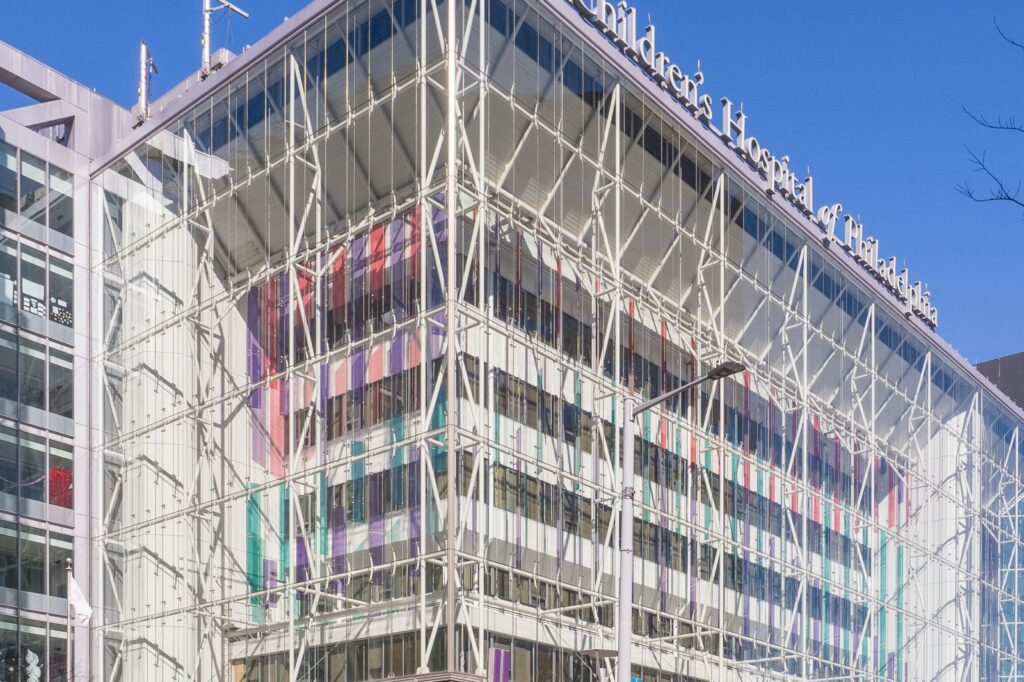
PHILADELPHIA, November 25, 2026 — A clinical trial at Children’s Hospital of Philadelphia is testing CAR T-cell therapy, a treatment originally developed for leukemia, in patients with lupus. Early data show nine patients have remained in remission for up to nearly two years after a single infusion.
From Cancer Therapy to Autoimmune Disease
CAR T-cell therapy was first approved to treat certain blood cancers. The approach collects a patient’s own T-cells, re-engineers them in a laboratory to recognize a specific target, and infuses them back into the body. At CHOP, the same platform that saved the life of Emily Whitehead, the first pediatric patient to receive the therapy for leukemia, is now being directed against lupus. Instead of targeting cancer cells, the modified cells are designed to eliminate the B-cells driving the autoimmune attack. Dr. Sandy Burnham, director of the lupus program at CHOP, said the shift reflects a growing understanding that the immune system’s circuitry can be reset rather than merely suppressed.
A Patient’s Turn
Naisha Brown, 26, was diagnosed with lupus at age 13. For more than a decade she lived with achy fatigue, joint pain, and the unpredictable cycles of flares and remission that characterize systemic lupus erythematosus. Standard treatments — NSAIDs, corticosteroids, and immunosuppressants — failed to control her disease. When her care team suggested the clinical trial, Brown initially declined, wary of being a “guinea pig.” With no other options, she agreed to become the first patient enrolled. She received her infusion in August 2025 and said she began feeling better within a month. Today she is playing with her daughter and attending nursing school, a trajectory she describes as a dream.
What the Early Data Show
Nine patients have now been treated in the trial. The longest observation period is almost two years, and Dr. Burnham said there has been no return of disease activity in that window. He called the early findings encouraging but stressed it is too early to use the word cure. The therapy is manufactured in-house at CHOP, a detail the hospital says can shorten the wait for treatment and reduce cost compared with sending cells to an outside facility.
Why Lupus Has Been Hard to Treat
Lupus, or systemic lupus erythematosus, is a chronic autoimmune disease in which the immune system attacks healthy tissue across multiple organs. Symptoms include painful joints, fever, hair loss, and a characteristic facial rash. The disease follows a relapsing-remitting course, and while medications can manage flares, there is no cure. Long-term steroid use carries significant side effects, and many patients, like Brown, eventually exhaust standard options. The encouraging part of the CAR-T approach is that it targets the root immune response rather than damping down symptoms after they appear.
Next Steps
Dr. Burnham said the team will continue monitoring the current cohort for durability of response and safety. Larger studies will be needed before the therapy could move beyond the trial setting. Patients should talk to their doctor about whether a clinical trial is appropriate for their situation.
Sources
- A breakthrough treatment at Children's Hospital of Philadelphia is giving people with lupus hope
- Lupus
- Lupus Foundation of America-Supported Phase II Trial Shows Promise for Mesenchymal Stromal Cells as a Potential New Lupus Therapy
- ABCs in Dermatology: Evolving Therapies and Dermatology's Role in Cutaneous Lupus Care | HCPLive
- Painless lupus mouth ulcers and other signs physicians miss
Photo: ajay_suresh (CC BY 2.0)