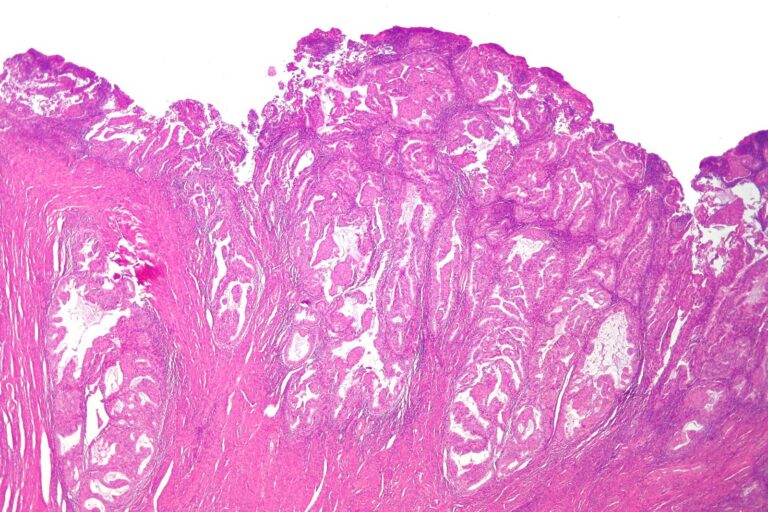
GENEVA, November 18, 2026 — The World Health Organization says cervical cancer could become the first cancer ever eliminated, but the United States risks falling behind the global timeline. U.S. HPV vaccination coverage sits near 60 percent, well short of the 90 percent target the WHO set for 2030.
A Global Strategy With Clear Targets
In 2020, WHO member states adopted the Global Strategy to Accelerate the Elimination of Cervical Cancer. The plan rests on three pillars: 90 percent of girls fully vaccinated against HPV by age 15, 70 percent of women screened with a high-performance test by ages 35 and 45, and 90 percent of those with precancer or cancer receiving appropriate treatment. The agency estimates that more than 600,000 women are diagnosed each year and about 280,000 die, with 19 of the 20 highest-burden countries concentrated in the WHO African Region.
Where the United States Stands
While 166 countries have now introduced HPV vaccination into national immunization programs, the United States continues to trail peer nations. Australia and Sweden are approaching the elimination milestone, and Rwanda has districts already meeting WHO targets. India recently vaccinated more than 11 million girls in one of the world’s largest campaigns. In the U.S., coverage remains near 60 percent, leaving a gap that threatens the global 2030 timeline.
Supply Constraints Eased, New Tools Available
Vaccine supply constraints that once slowed progress have largely been resolved. Multiple HPV vaccines are now on the market, and a simplified single-dose schedule has been adopted by 96 countries, making delivery easier and more affordable. HPV testing — more effective than the traditional Pap test — is expanding, and self-collection options are giving women more privacy and convenience. Artificial intelligence-assisted screening is also emerging as a tool to improve early detection.
What Meeting the Targets Would Mean for U.S. Families
Closing the vaccination gap would translate into fewer diagnoses, fewer treatments, and fewer families losing mothers, daughters, and sisters. The WHO projects significant incidence reductions and cost savings when the 90-70-90 targets are met. For families, that means avoiding the physical, emotional, and financial toll of a cancer that is now largely preventable.
Next Steps: Integration and Acceleration
The WHO is urging countries to accelerate national programs and integrate vaccination with screening and treatment pathways. Governments meeting at the World Health Assembly reaffirmed their commitment last year and established November 17 as World Cervical Cancer Elimination Day. The agency coordinates the international response from its Geneva headquarters and 150 field offices worldwide, building on a track record that includes smallpox eradication and the near-eradication of polio.
Sources
- World Health Organization
- WHO issues first guidelines on type 1 diabetes for adults
- For the first time in public health history, the end of a cancer is in sight
- Japanese Translation Provided | Mental Health, Human Rights and Legislation: Guidance and Practice [WHO/OHCHR]|大橋桃子|措置入院当事者
Photo: Derek French / European Commission (CC BY 4.0)