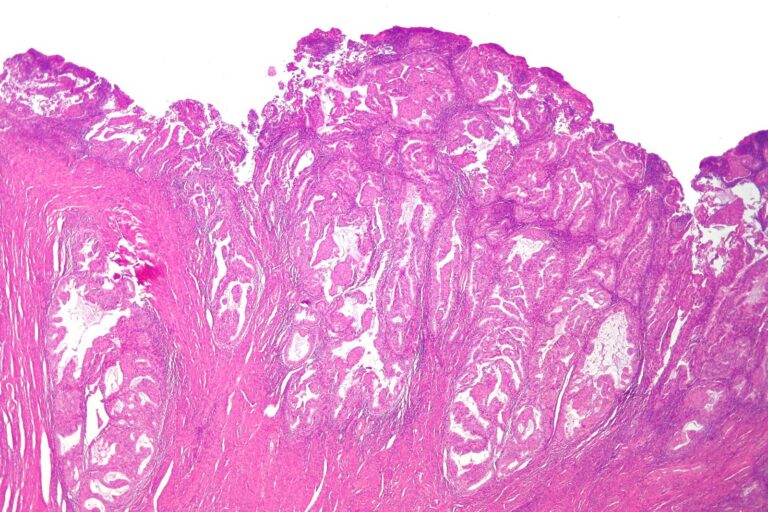
The US Food and Drug Administration has approved a new treatment option for adults with recurrent or metastatic head and neck squamous cell carcinoma whose disease has progressed after platinum-based chemotherapy and immunotherapy. The approval marks the first in a decade for this specific patient population and underscores the limited choices that have defined the standard-of-care algorithm until now.
Understanding Advanced HNSCC
Head and neck cancer is a broad term for malignancies that can develop in the mouth, tongue, gums, lips, voice box, throat, salivary glands, nose, and sinuses. About 90 percent of these cancers are pathologically classified as squamous cell carcinoma. The majority of cases are linked to alcohol or tobacco use, though an increasing number are caused by the human papillomavirus. Approximately sixty percent of patients with head and neck squamous cell carcinoma present with stage III or IV locally advanced disease. Therapeutic management poses unique clinical challenges because tumors frequently arise in anatomical zones critical for respiration, articulation, and nutrition.
Historical Reliance on Platinum-Based Chemotherapy
For years, the treatment paradigm for recurrent or metastatic disease relied heavily on platinum-based chemotherapy. Historically, treatment options have been limited and outcomes remain poor. Platinum agents served as the backbone of first-line systemic therapy, often combined with other cytotoxic drugs, but durable responses were uncommon and toxicity could be significant, particularly in a patient population already coping with the functional impacts of the disease.
Integration of Immunotherapy
The introduction of immune checkpoint inhibitors represented a shift in the frontline setting. Immunotherapy, often combined with platinum-based chemotherapy, became a standard component of initial treatment for many patients. However, for those whose disease progressed on or after this combination, the algorithm offered little consensus. Clinicians faced a grab bag of mediocre single-agent chemotherapy options and cetuximab, with no agreed-upon standard beyond those first two lines of therapy.
High Unmet Need in Progressive Disease
Recurrent or metastatic head and neck squamous cell carcinoma is an aggressive, life-threatening disease with a high unmet need for effective therapies. Currently approved therapies in the post-platinum, post-immunotherapy setting are associated with an overall response rate of around 20 percent or less and poor outcomes. This gap has left patients and physicians navigating a landscape of off-label options and clinical trials, often weighing the potential for benefit against the burden of additional chemotherapy-related toxicity.
Contextualizing the Algorithm Before Novel Approvals
Early findings suggest the recent approval of Rybrevant Faspro (amivantamab and hyaluronidase-lpuj) alters this landscape, but the encouraging part is that it provides a defined option where none previously existed in the label. The approval was based on a trial showing an overall response rate of 42 percent, with 56 percent of responders maintaining that response for six months or longer. It is not indicated for patients with HPV-associated oropharyngeal squamous cell carcinoma. Patients should talk to their doctor or oncologist to understand where this option fits within their specific treatment journey.
Sources
- Head and neck cancer
- FDA grants accelerated approval to novel head and neck cancer treatment
- Significance of the All-Comer PD-L1 CPS Design | Targeted Onc – Immunotherapy, Biomarkers, and Cancer Pathways
- Significance of first- and second-order textural [18F]FDG PET/CT parameters in the prognosis of head and neck squamous cell carcinoma patients
- Reading Pipeline Data in Real Time: Hype, Promise, and Single-Arm Phase 2 Trials | CancerNetwork
- Qualitative Study Highlights Hidden Physical and Mental Burdens in Advanced
Photo: Michael Barera (CC BY-SA 4.0)