The highest yielding certificates of deposit offer rates up to 5.05% APY as of Nov. 9, 2026, providing a safe and predictable return for money not needed immediately. By the numbers, current CD rates compare favorably to other fixed-income options, making them an attractive choice for savers looking to lock in rates before potential future cuts.
Understanding Certificates Of Deposit
A certificate of deposit (CD) is a time deposit sold by banks, thrift institutions, and credit unions in the United States, with a specific, fixed term before money can be withdrawn without penalty, according to the definition provided by Wikipedia. CDs typically differ from savings accounts because they have higher interest rates, but also come with restrictions on withdrawals. The Federal Deposit Insurance Corporation (FDIC) insures CDs for banks, and the National Credit Union Administration (NCUA) insures them for credit unions.
Recent Rate Shifts And Current Yields
After a series of Federal Reserve rate cuts beginning in September 2024, CD rates steadily declined before the Fed shifted course in late 2026, leading to a rise in interest rates. As of Nov. 9, 2026, some of the best CD rates exceed 4% APY, offering a safe and predictable return on money that won’t be needed for the next several months or years. The highest rate on the current list comes from the 4-year CD offered by Morgan Stanley, with a rate of up to 5.05% APY.
Strategic Planning For Term Selection
With interest rates on the rise, choosing the right CD term is crucial. CDs are particularly good for saving toward a specific future goal, such as a down payment on a home, a wedding, or another major expense. By putting money in a CD, savers can lock in a fixed interest rate for a set period, typically ranging from six months to five years. Once the CD matures, the original deposit and earned interest can be withdrawn without penalty. However, if interest rates continue to climb, savers may be stuck earning a lower rate unless they’re willing to pay an early withdrawal penalty.
Weighing Fixed-Rate Safety Against Long-Term Risks
While high-yield savings accounts and CDs offer safety and predictable returns, they may not keep up with inflation or build long-term wealth as effectively as riskier assets like stocks. The bottom line is that CDs can be a good investment for short-term goals or emergency funds, but they should be part of a balanced portfolio that includes assets with greater potential for growth over time. Investors should consider their financial situation, time horizon, and goals when deciding how to allocate their savings.
The figure that matters for savers is the APY, which can earn up to 5.05% as of Nov. 9, 2026. Investors will note that this rate is competitive with other fixed-income options and provides a guaranteed return for a set period. However, with interest rates on the rise, it’s essential to consider the potential impact of future rate changes on CD investments. By understanding how CDs work and the current rate environment, savers can make informed decisions about their investments and lock in rates that meet their financial goals. The next Federal Reserve meeting is scheduled for December 2026, and investors will be watching to see if interest rates will continue to rise.
Sources
- Certificate of deposit
- Is a CD still a good investment?
- Top CD rates Monday, Nov. 9, 2026: Lock in up to up to 5.05% | Fortune
- The Compound Growth Theory and Why You Need it in Retirement – AOL
- The History of Hawaiian Currency-Part 2
- Top High-Yield Savings Accounts Offering up to 5.00% APY Right Now, Nov. 9, 2026
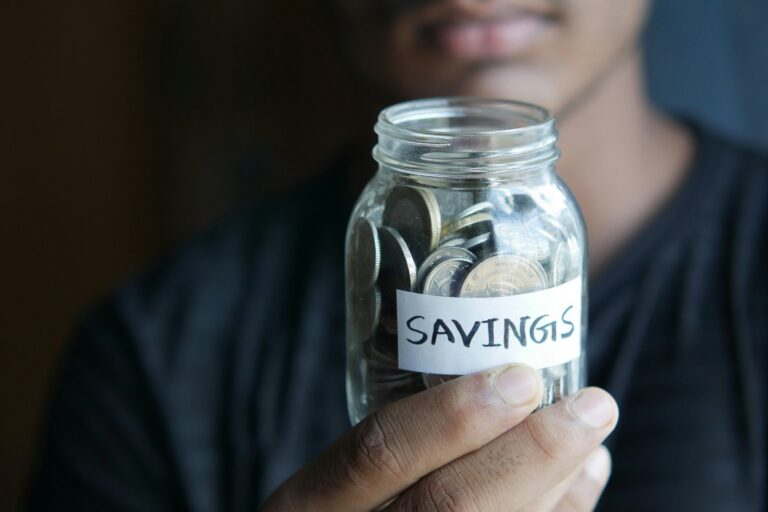
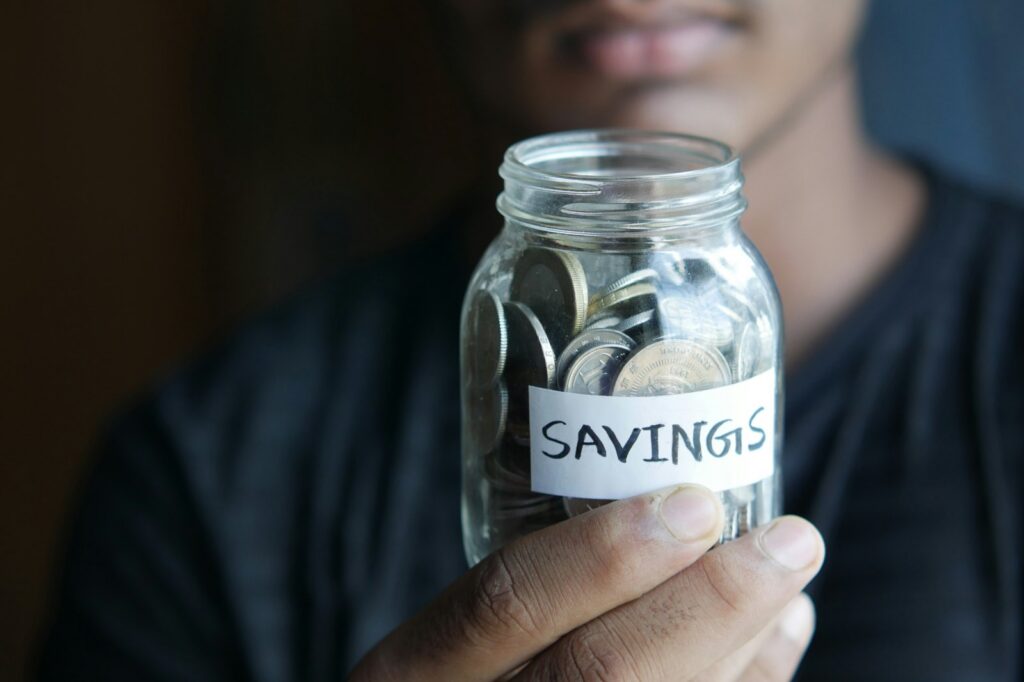
Photo: Towfiqu barbhuiya / Unsplash (Unsplash License)