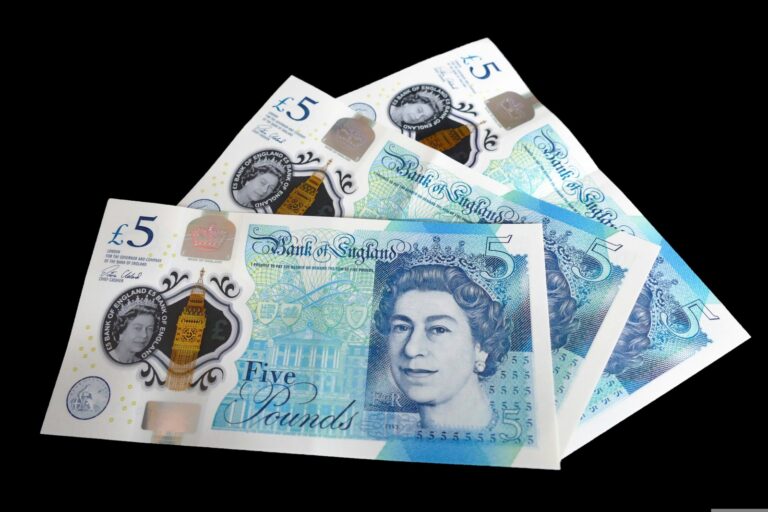
LONDON, November 5, 2026 — The Bank of England raised its base rate to 4% from 3.75% on Thursday, the first increase in over three years. The Monetary Policy Committee voted 8-1 for the quarter-point move, with Catherine Mann dissenting in favour of a half-point hike to 4.25%.
The Mechanics of the Decision
The mechanics here are straightforward: the MPC judged that inflationary pressure from the US-Iran conflict has built up enough to warrant pre-emptive action. Governor Andrew Bailey said the rise in energy prices created sufficient pressure “in the pipeline” to make the increase warranted. The committee had held rates at 3.75% since December 2025, and markets had previously priced in at least two cuts for 2026 before the conflict erupted in February.
The catch is that the Bank is tightening into weakening growth. The Office for Budget Responsibility has cut its outlook for next year, and consumer demand remains fragile, according to Chris Cheverall, head of UK at CMC Markets. Sterling strengthened against the dollar after the decision, and two-year gilt yields rose four basis points, signalling markets expect more tightening ahead.
Inflation Target and Expectations
UK Consumer Price Index inflation jumped to 3.5% in September, well above the 2% target but far below the 11% peak of the 2022 energy crisis. The Bank now projects inflation will reach around 5% by mid-2027, more than double its target. Services inflation has also moved up, making it harder to treat the problem as purely an energy story, Cheverall noted.
Mann, who last month warned the BoE had been slow to reassure markets it had a grip on inflation, cited “non-linear inflation risks” in the minutes. She viewed the 3.5% CPI reading as a potential trigger for a loss of confidence in the central bank. Bailey, by contrast, had argued in previous months that the BoE could take its time, given it started the conflict with higher rates than peers and investors had expected cuts this year.
Impact on Mortgages and Savings
The base rate significantly affects the cost of mortgages and loans and the interest rates banks offer on savings accounts. Julian Jessop, economics fellow at the Institute of Economic Affairs, called the move an “insurance hike” to get ahead of upside risks and preserve credibility. He warned that borrowers are paying the price for “years of failed energy policies,” though he added the forecast may prove too pessimistic depending on energy prices.
Financial markets are pricing in further rate hikes in 2027. The Bank’s own guidance suggests the conflict’s trajectory will dictate the pace: “unless the conflict in the Middle East is resolved, neither does it seem likely to be the last increase,” Bailey said. The MPC will judge the outlook at each meeting.
Market Reaction and Future Outlook
Until Thursday, the BoE had not followed the Federal Reserve, the European Central Bank and other central banks in raising rates in response to inflation pressures from the Iran war. Madison Faller, global investment strategist at J.P. Morgan Private Bank, described the move as “measured, credibility-preserving” rather than the start of an aggressive cycle, noting the evidence that inflation is broadening beyond energy remains mixed.
The next MPC meeting will test whether the Bank’s risk management calculus shifts again. For now, the signal is clear: the Bank has chosen to act ahead of the data, and the path forward runs through the Strait of Hormuz.
Sources
- Bank of England raises interest rate to 4% in fresh blow to millions – live
- Interest rates LIVE: Bank of England raises base rate to 4% in fresh blow to millions
- Bank of England raises rates for first time since 2023, says more may come
- Bank of England raises interest rates to 4%, the first increase in more than three years – follow live
Photo: Anthony / Unsplash (Unsplash License)