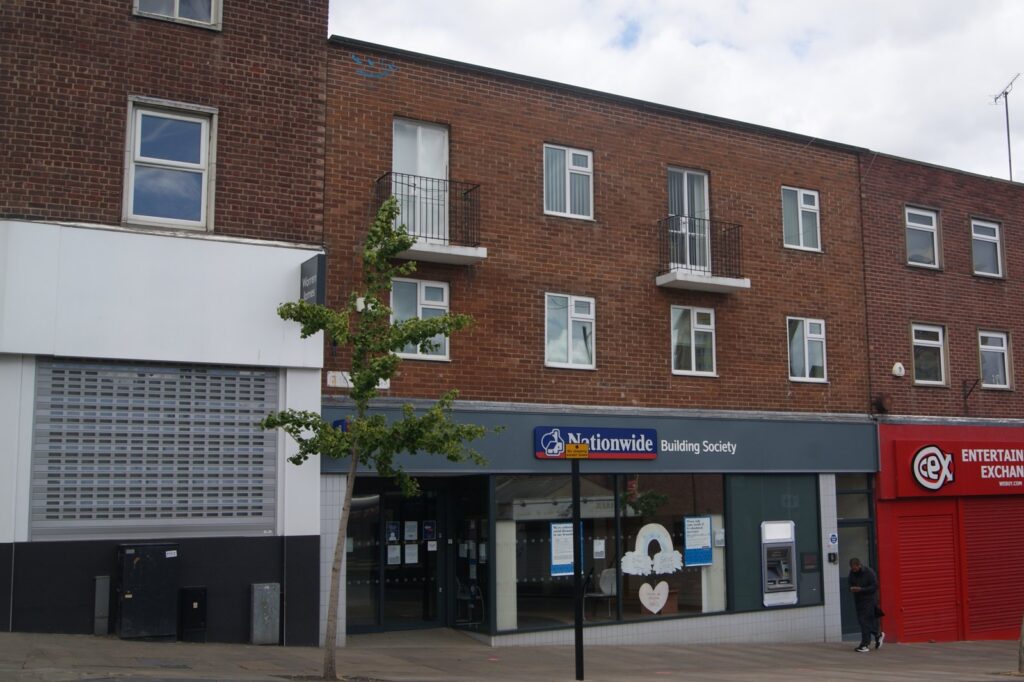
Nationwide has rolled out new Fixed Rate Cash ISAs with Annual Equivalent Rates (AERs) ranging from 4.75% to a headline‑grabbing 5.00%, the highest rate on a tax‑free savings product in the UK market today (source S1). The move gives savers a way to earn more than the current inflation rate while keeping their emergency cash within a tax‑free wrapper, and it does so without the long‑term lock‑ins that typically accompany high‑yield bonds.
Nationwide’s New Fixed‑Rate Cash ISAs
On 23 October the building society launched a suite of Fixed Rate Cash ISAs and matching Fixed Rate Bonds with terms of one to five years (source S1). The 1‑year ISA carries a 4.75% AER, the 2‑year 4.85%, the 3‑year 4.90% and the 5‑year product tops out at 5.00% (source S1). Richard Stocker, Nationwide’s Head of Savings, said the society is “boosting rates across our Fixed Rate Bonds and Cash ISAs… with rates of up to 5.00%” and that “our Fixed Rate Cash ISA rates match or beat the equivalent Fixed Rate Bond rate” (source S1). The rates are fixed for the life of the product, and interest is paid tax‑free, a key advantage over standard savings accounts.
Fixed Rate Bonds, also introduced on the same day, offer the same gross rates but lack the tax‑free status of ISAs (source S1). Both products are available in branches for customers who prefer face‑to‑face service, and there is no statutory cap on the amount that can be deposited into a bond, although individual institutions may impose their own limits (source S1). By contrast, Cash ISAs are subject to the annual ISA allowance, which for the 2026/27 tax year is £20,000 across all ISA types (source S2).
Why Emergency Funds Matter in an Inflationary Climate
Inflation has eroded the real value of cash held in low‑interest accounts, prompting savers to hunt for products that at least keep pace with price rises. MoneyWeek’s October 2026 survey found that the best easy‑access cash ISA yielded 4.65%, a figure that sits comfortably above the current UK inflation rate (source S3). Fixed‑rate ISAs, however, push the return envelope further: a one‑year fixed ISA can deliver 4.98%, two‑year products reach 5.1% and three‑year offerings climb to 5.15% (source S3). Nationwide’s 5.00% five‑year rate therefore sits in the upper tier of the market and provides a clear benchmark for savers seeking to outpace inflation.
The tax‑free nature of ISAs adds another layer of protection. Interest earned in a Cash ISA is exempt from income tax, meaning the effective yield is higher than a comparable taxable account (source S2). For an emergency fund, the combination of inflation‑beating returns and tax efficiency can preserve purchasing power while the money remains readily available for unforeseen expenses.
Balancing Liquidity and Yield: The Mechanics Here
The catch is that fixed‑rate ISAs lock the capital for the agreed term, limiting access to the cash until maturity (source S1). Some ISAs allow limited withdrawals, but penalties or loss of the fixed rate may apply, so the product is best suited to funds that can be set aside for the full period. Easy‑access cash ISAs, on the other hand, let savers withdraw at any time without penalty, but they currently cap at 4.65% (source S3). On closer reading, the decision hinges on how much liquidity a household needs versus how much extra return it can capture by accepting a lock‑in.
For many, the optimal strategy is a tiered approach. A portion of the £20,000 annual allowance can be parked in an easy‑access ISA to cover the first few months of an emergency, while a second tranche can be committed to a one‑year Fixed Rate Cash ISA to capture the 4.98% return. If the saver has a longer runway for emergencies—say six months to a year—a two‑year ISA at 5.1% may be justified, provided the individual can tolerate the short‑term illiquidity.
In a taxable savings account at a 20% marginal tax rate, the same interest would be reduced to £200, effectively lowering the net yield to 4.00%. The differential grows with larger balances, making the ISA wrapper especially valuable for high‑net‑worth savers who can fully utilise the £20,000 allowance each year.
Looking ahead, the annual cash‑ISA limit will shrink to £12,000 for investors under 65 starting in April 2027 (source S2). That reduction will force savers to be more selective about which products receive the tax‑free treatment. The pressure to prioritize higher‑yield, longer‑term ISAs may increase, but the need for a liquid cushion will remain, reinforcing the case for a split‑allocation approach.
Historical Perspective on ISAs Since 1999
Individual Savings Accounts were introduced on 6 April 1999, replacing Personal Equity Plans and Tax‑Exempt Special Savings Accounts (source S2). The original design allowed cash and investments to grow free of income and capital‑gains tax, with no restriction on when the money could be withdrawn. Over time, the ISA family expanded: stocks & shares, innovative finance and lifetime ISAs were added in 2017, while junior ISAs arrived in 2011 (source S2). The annual contribution ceiling has risen to £20,000 since the 2020‑21 tax year, a figure that can be split across any combination of ISA types (source S2).
Fixed‑rate Cash ISAs are a relatively recent innovation, emerging as banks and building societies sought to compete with the higher yields offered by fixed‑rate bonds. Unlike bonds, which are not tax‑free, Cash ISAs combine the guaranteed interest of a fixed‑rate product with the tax advantage of an ISA (source S1). This hybrid nature explains why the market has seen a surge in ISA rates that now rival, and in some cases exceed, traditional bond yields.
The shift in product design reflects broader macro‑economic trends. As central banks have raised policy rates to tame inflation, the spread between savings accounts and inflation has narrowed, prompting providers to launch higher‑yielding, tax‑efficient products. Nationwide’s latest rates are a direct response to that environment, and they illustrate how the ISA framework continues to evolve in line with monetary policy and consumer demand.
Strategic Takeaways for Savers
For readers looking to maximise an emergency fund without committing to a long‑term deposit, the first step is to map out cash‑flow needs for the next three to six months. Allocate enough to an easy‑access ISA to cover those expenses, ensuring that the balance can be withdrawn without penalty (source S3). Any surplus can then be moved into a Fixed Rate Cash ISA that matches the anticipated lock‑in period.
If you can tolerate a one‑year lock‑in, the 4.75% to 5.00% rates offered by Nationwide provide a clear edge over easy‑access accounts (source S1). The five‑year 5.00% product is best suited to savers who have already built a robust liquid cushion and are looking to park additional cash for a longer term.
Keep the upcoming £12,000 cash‑ISA cap in mind. If you are under 65, plan to front‑load the higher‑yield ISA in the current tax year, then consider using other ISA types—such as stocks & shares or innovative finance ISAs—to capture the remaining allowance (source S2). This approach spreads tax‑free growth across different asset classes while preserving the emergency‑fund liquidity you need.
Finally, remember that fixed‑rate products are not without risk. Early withdrawal may forfeit the agreed rate, and the fixed return does not protect against a sudden rise in market rates that could make the locked‑in product look less attractive. Weigh the certainty of a 5.00% tax‑free return against the flexibility of an easy‑access account, and align the choice with your personal cash‑flow timeline.
In short, rising Cash ISA rates give savers a genuine tool to beat inflation while keeping emergency money tax‑free. By pairing a modest liquid buffer with a fixed‑rate ISA that matches their liquidity horizon, households can capture higher yields without the penalty of long‑term deposits. The key is to map cash needs, use the ISA allowance wisely, and stay aware of the upcoming reduction in the cash‑ISA limit.
Sources
- Nationwide boosts rates on Cash ISAs – one boasts 5% rate – AOL
- Individual savings account
- The best cash ISAs –earn up to 5.15%
Photo: Mtaylor848 (CC BY-SA 4.0)