
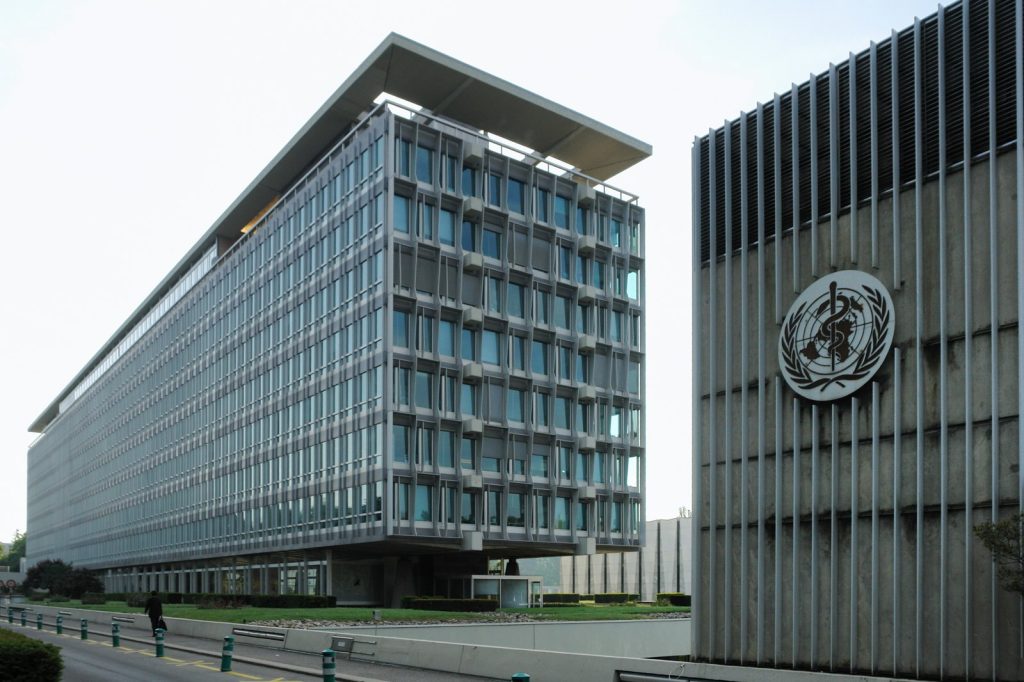
The World Health Organization designated the ongoing mpox epidemic a public health emergency of international concern on August 14, 2024. This classification marks a significant escalation in the global response to the outbreak, which has been spreading since at least September 2023 from its origins in Central Africa. Reported case counts have surpassed 29,000 as of September 2024.
The epidemic has claimed more than 800 lives, yielding a fatality rate of approximately 3 percent. Nearly all of these deaths have occurred in the Democratic Republic of the Congo, which remains the hardest-hit region.
The outbreak’s epicenter lies in Central Africa, where health authorities first identified a new variant of clade I mpox, designated clade 1b. This strain has driven the rapid spread observed over recent months. The European Centre for Disease Prevention and Control has cautioned that official figures likely underestimate the outbreak’s true scale.
Under-ascertainment and under-reporting, driven by limited healthcare infrastructure in affected areas, may mean the actual number of cases and deaths is higher than currently documented. This gap in detection can delay response efforts and allow the virus to propagate further.
The WHO’s emergency declaration signals that the outbreak poses a substantial risk to public health and requires coordinated international action. Historically, such designations mobilize additional resources and attention, including enhanced surveillance, contact tracing, and vaccination campaigns. The decision underscores the need for a unified global strategy to contain the epidemic.
Local factors in the Democratic Republic of the Congo, including environmental and socio-economic conditions, may be contributing to the outbreak’s concentration in that country. However, the potential for the virus to spread beyond Central Africa remains a concern, and preventing cross-border transmission is a priority for the international response.
Strengthening healthcare systems and improving surveillance capabilities are critical steps in addressing the epidemic. In many affected areas, weak infrastructure hampers case detection and reporting, creating delays that allow the outbreak to expand. Efforts to bolster these systems will be essential to gaining control over the situation. As the global community mobilizes, close monitoring of the outbreak will be necessary to adapt strategies as conditions evolve.
The WHO’s declaration is a foundational step, expected to be followed by a range of measures aimed at curbing the epidemic’s spread and protecting public health. In the coming weeks, updates on case numbers, the effectiveness of the response, and any new developments will be closely watched.
Sustained collaboration among governments, healthcare organizations, and other stakeholders will be key to bringing the epidemic under control. The focus remains on preventing further spread, reducing fatalities, and ultimately ending the outbreak.




