
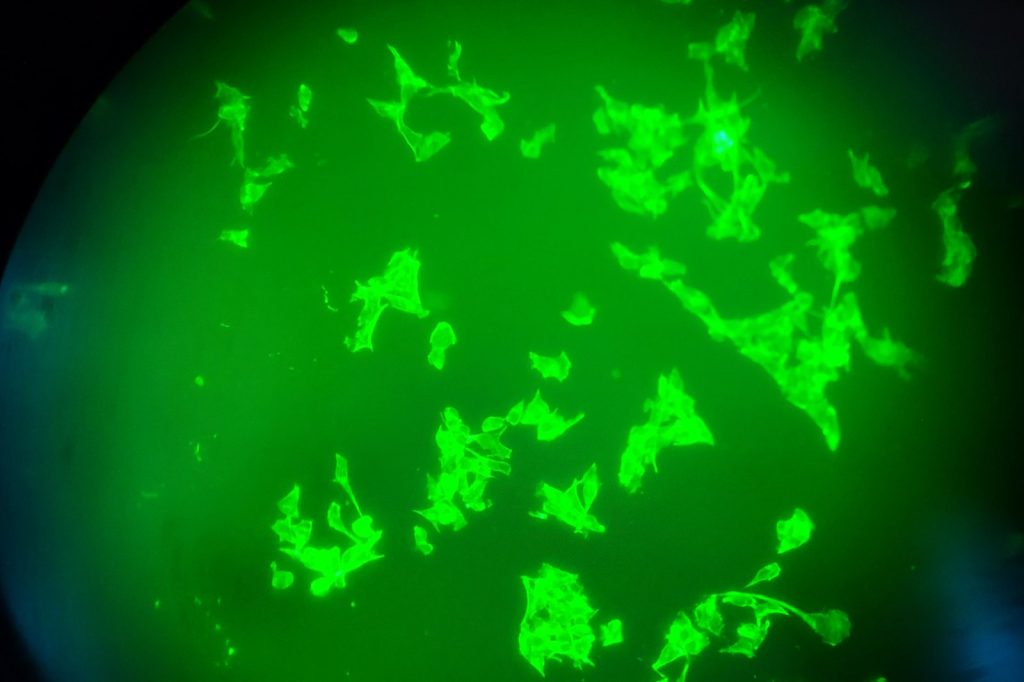
A team of Swiss researchers has devised a method to rouse sleeping cancer cells, potentially restoring their susceptibility to therapies. The approach, detailed in a university statement, targets a biological mechanism that allows tumor cells to evade treatment by entering a dormant, inactive state.
Scientists at ETH Zurich developed a system that selectively disables the proteins responsible for this dormancy within cancer cells, while using light to protect healthy tissue from the same effect.
How Dormancy Helps Cancer Evade Treatment
For decades, oncologists have recognized that not all cancer cells behave identically. Some cells become quiescent, slowing their division dramatically and entering a sleep-like state.
This phenomenon, first observed in laboratory studies, forced a rethinking of how tumors resist treatment. Dormant cells can survive chemotherapy and radiation, only to reawaken later and cause relapse. The biological mechanism behind this dormancy involves stress hormones and specialized proteins called glucocorticoid receptors.
When these receptors detect stress hormones inside a tumor cell, they can push the cell into a state where division slows dramatically, protecting the cancer from many drugs. Stress hormones can trigger this response in certain forms of cancer, including some types of lung cancer.
The problem is that glucocorticoid receptors are present throughout the body, not just in cancer cells. They play essential roles in controlling inflammation and supporting normal immune system function. Eliminating glucocorticoid receptors everywhere in the body would cause serious side effects.
Earlier efforts to block these receptors entirely failed because the receptors are also critical for healthy tissue. Any successful treatment must therefore target tumor cells while leaving healthy tissue largely unaffected.
Light-Based System Targets Only Tumor Cells
The ETH Zurich team created a system that triggers the destruction of glucocorticoid receptors inside tumor cells while allowing researchers to use light to selectively switch off the process in nearby healthy tissue. The system is based on existing medical technology, according to the researchers.
Robin Scheuplein, joint first author of the study and a doctoral student in the research group led by Katharina Gapp, Professor of Epigenetics and Neuroendocrinology, said in the statement: “This system is based on existing medical technology and therefore offers a realistic prospect of localized therapies.” The approach represents a potential solution to a longstanding challenge in oncology. Researchers have been searching for ways to disable these receptors and wake the cancer cells from dormancy, making them easier to target and destroy.
By using light to confine the receptor-destroying mechanism to tumor cells, the scientists aim to avoid harming normal cells that rely on glucocorticoid receptors for their everyday function.
Why This Matters for Treatment Resistance
Treatment resistance remains one of the hardest problems in oncology. Tumors that initially shrink can grow back after therapy fails, often because dormant cells survived the attack. The new method could make existing treatments more effective for many patients, especially those with forms of lung cancer that rely on this dormancy mechanism.
The technique offers a realistic path forward by waking sleeping cancer cells without harming normal cells. While the research is still at an early stage, the use of established medical technology may accelerate its development into a practical clinical tool.
The university statement advises individuals to consult a doctor for medical advice regarding any health concerns.
{“@context”: “https://schema.org”, “@type”: “NewsArticle”, “headline”: “Sleep-Study Breakthrough: Swiss Team Wakes Dormant Cancer Cells”, “description”: “ZURICH — A team of Swiss researchers has devised a method to rouse sleeping cancer cells, potentially restoring their susceptibility to therapies. The approach, detailed…”, “datePublished”: “2026-07-05T09:30:00+00:00”, “author”: {“@type”: “Person”, “name”: “Reza Karimi”}, “publisher”: {“@type”: “Organization”, “name”: “InfoPulse Today”, “url”: “https://newsfeed.infopulsetoday.com/”}}




