
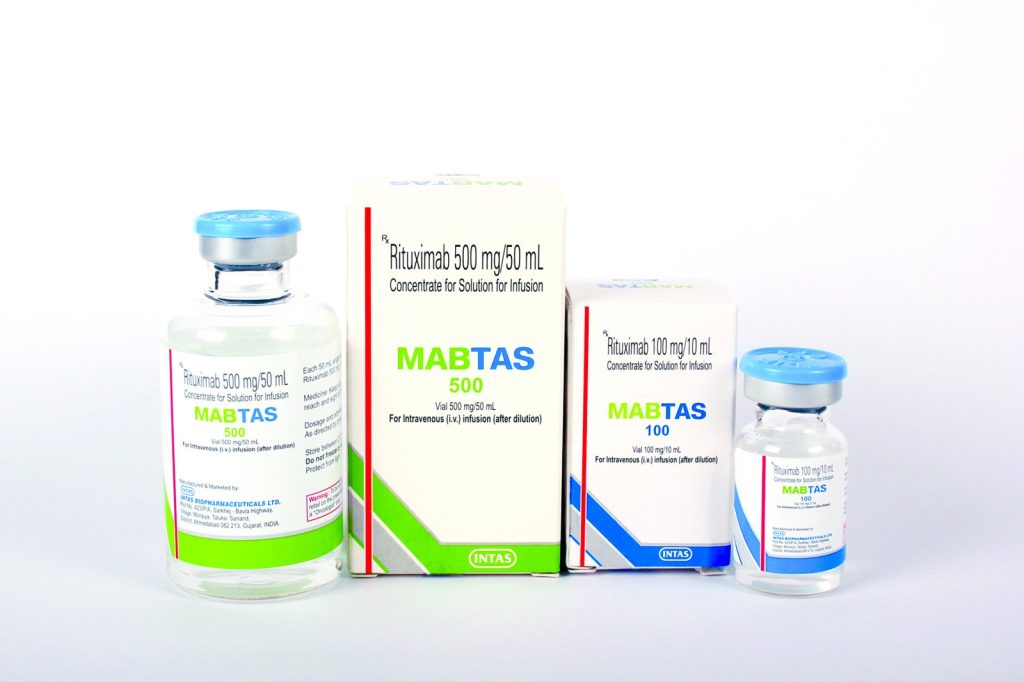
A Therapy with Decades of Clinical Data
Rituximab works by depleting B cells through binding to the CD20 protein on their surface. It was first approved for medical use in 1997 and later added to the World Health Organization’s List of Essential Medicines.
Before its introduction, treatment options for certain blood cancers and autoimmune diseases relied on older therapies with narrower targets. The arrival of this lab-designed antibody fundamentally changed how clinicians approached diseases driven by B cell activity. Over the following years, rituximab gained indications across a spectrum of conditions: non-Hodgkin lymphoma, chronic lymphocytic leukemia, rheumatoid arthritis, and several other immune disorders.
That broad applicability, combined with a long history of clinical evidence, means doctors in Asia have access to a therapy with a well-understood safety and efficacy profile. For families making difficult treatment choices, that track record can be decisive.
The drug is now co-marketed by different manufacturers across the United States, Japan, and the rest of the world, underscoring its global significance.
Biosimilars and Access in Developing Asia
The rituximab market is not without competition. Following the expiration of patent protections in major markets, biosimilar versions of the drug have entered the scene. These copies have expanded overall supply and introduced price competition for health systems.
For many households in developing parts of Asia, lower costs can mean the difference between starting treatment and delaying it. Yet the original branded drug remains a powerful force.
Its long and well-documented commercial history gives healthcare systems confidence in consistent supply and manufacturing reliability — no small consideration in a region still building out its pharmaceutical infrastructure. The conversation around rituximab is part of a larger shift in Southeast Asia. More patients are being diagnosed with the conditions the drug treats, driven by growing awareness and improved diagnostic tools.
That rising demand for established therapies is not just a statistic. It is the grandmother in Manila managing rheumatoid arthritis, the young professional in Jakarta fighting lymphoma, and the family in Ho Chi Minh City navigating a new diagnosis.
For them, a drug with a proven record offers stability in uncertain times.
Future Trajectory Relies on Integration and Indications
The growth in the rituximab market is about more than numbers on a spreadsheet. Its continued relevance matters because clinicians in Asia confront rising diagnoses of conditions it treats.
The long real-world experience gives doctors a familiar option, particularly where local pharmaceutical infrastructure is still developing. For families, that track record can shape whether treatment is started at all. Looking ahead, the market’s trajectory will depend on how well biosimilars integrate into national health programs and how new therapeutic indications continue to emerge.
For now, rituximab remains a cornerstone treatment — one that communities across Asia have come to rely on. Consult your doctor for medical advice.




