
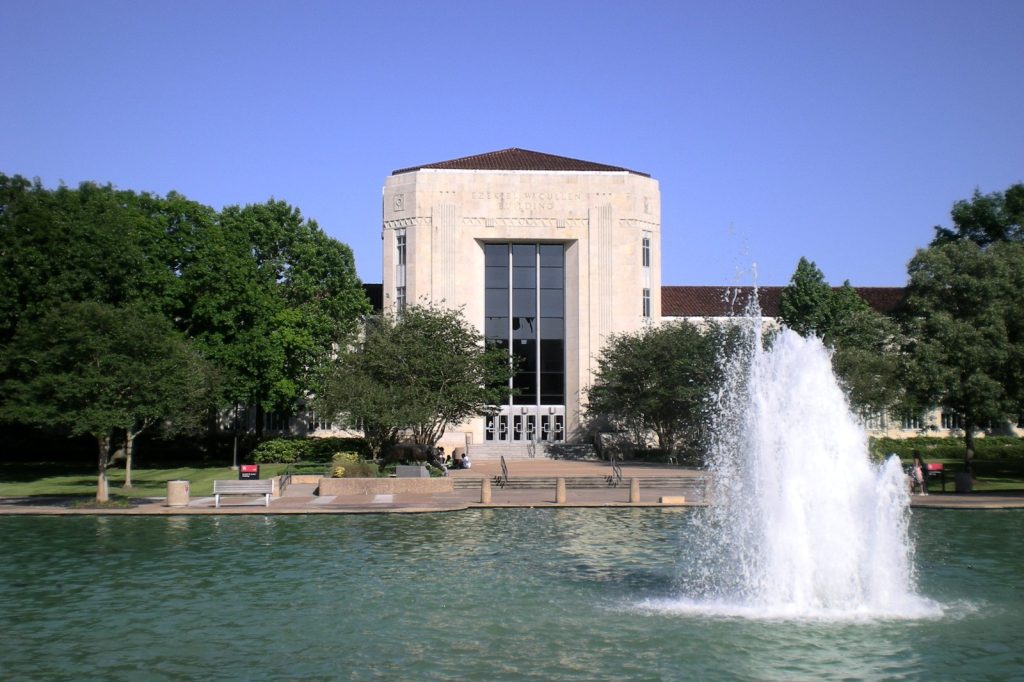
HOUSTON, July 13 — A fentanyl vaccine candidate has moved one step closer to human testing, with preclinical results showing it blocked lethal doses of the opioid in animal models. Researchers at the University of Houston have published data demonstrating that their vaccine generated antibodies capable of neutralizing fentanyl and 10 of its illicit analogs, including carfentanil. The study was published in the Journal of the American Chemical Society in 2024.
The vaccine was tested on mice and rats. Vaccinated animals were protected against doses of fentanyl that would be lethal to unvaccinated animals.
The antibodies prevented the opioids from crossing the blood-brain barrier, blocking toxic effects such as respiratory depression and death. A key design feature: the vaccine did not interfere with other opioids like morphine or buprenorphine, which are used for pain management and addiction treatment. That specificity matters for any potential clinical adoption—patients needing surgical pain relief or medication-assisted treatment for opioid use disorder would not have their care disrupted.
The research team, led by Dr. Colin Haile at the University of Houston, reported no significant side effects in the animals. The vaccine generated high levels of antibodies that bound not only to fentanyl but also to 10 different illicit analogs, including acetylfentanyl and butyrylfentanyl.
This breadth of coverage is critical given the evolving landscape of synthetic opioid variants on the illicit market. These results provide the basis for moving to human clinical trials. The team plans to begin those trials in 2025, pending approval from the U.S. Food and Drug Administration.
The timeline puts the candidate on a path toward what would be a first-of-its-kind intervention: a vaccine that trains the immune system to recognize and neutralize fentanyl before it can reach the brain. The mechanism is straightforward. The vaccine stimulates the production of antibodies that bind to fentanyl molecules in the bloodstream.
Those bound molecules are too large to cross the blood-brain barrier, effectively locking the drug out of the central nervous system. Without access to the brain, fentanyl cannot produce its euphoric effects or cause respiratory depression—the primary mechanism of fatal overdose.
Fentanyl has become the dominant driver of opioid overdose deaths in the United States. Synthetic opioids, primarily illicitly manufactured fentanyl, are involved in tens of thousands of deaths annually. A vaccine that could provide sustained protection against overdose, without the daily compliance required by current medications like naloxone or naltrexone, would represent a fundamentally different tool in the public health arsenal.
The vaccine’s ability to cover carfentanil—a fentanyl analog—is particularly significant. Carfentanil is used as a large-animal tranquilizer and has appeared in illicit drug supplies, contributing to clusters of overdose deaths. Consult your doctor for medical advice.




