
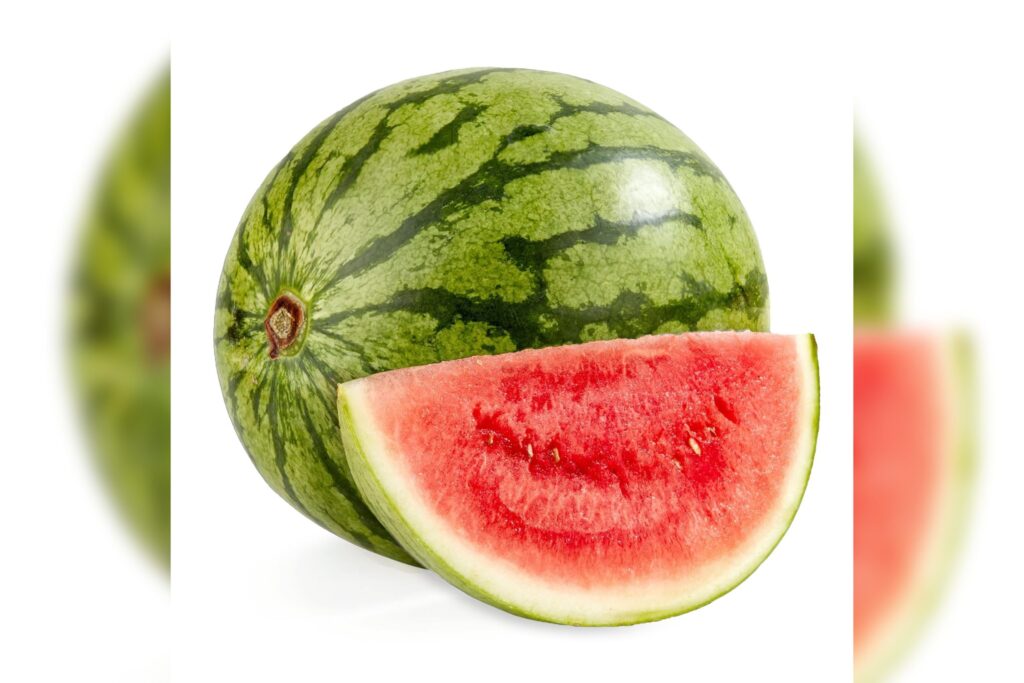
MANILA — The sweet, pink flesh of a watermelon has been a fixture on Asian tables for generations. But for decades, many families treated it as little more than flavored water — a treat for children, a guilt-free indulgence. The common belief held that watermelon was mostly sugar and water, with little nutritional substance.
That assumption is wrong. And it took a scientific advisor to the Plants Board to lay out the numbers that challenge what many people thought they knew.
Watermelon contains roughly 7% sugar. Grapes? About 16%.
Bananas hover around 12%. Fresh figs also hit 16%.
The difference is stark. For a fruit that tastes so sweet, the sugar content is surprisingly low. The high water content means a person can eat a generous serving — three cups of cubes, about 300 grams — and take in only around 100 calories.
The calorie count tells a similar story. One hundred grams of watermelon holds just 33 calories. Compare that to apples, peaches, or nectarines, which run between 45 and 65 calories per hundred grams.
The difference adds up fast for anyone watching their intake. Blood sugar remains a real concern for many families across Asia.
The advisor offered a practical fix: pair watermelon with a food rich in protein or healthy fat. Feta cheese. Bulgarian cheese.
Nuts. The sugar gets absorbed more slowly this way.
The glycemic index drops. The body processes the fruit differently. This is not new science.
But it took a formal advisory from the Plants Board to push the information into public view. For years, the fruit suffered from a reputation problem. People assumed that because it tasted sweet, it must be bad for them.
The opposite is closer to the truth. Watermelon is one of the fruits lowest in sugar.
That fact alone shifts how families can think about their summer eating. No more guilt over a cold slice on a hot afternoon. No more worrying that a bowl of cubes will spike blood sugar the way a handful of grapes might.
The advisor stressed that this matters most now, when watermelon takes center stage in every household. Summer heat drives the craving.
The fruit is cheap, widely available, and easy to prepare. Families pack it in lunch boxes. They blend it into smoothies.
They serve it as dessert after dinner. It is a staple, not a luxury. For communities across Asia who love their fruit servings, the message is clear: eat the watermelon.
Enjoy it. Just pair it with something that slows sugar absorption.
That is the healthy way. The science has been there all along. The numbers were never hidden.
But it took a formal advisory to break through the old assumptions. Watermelon is not just water and sugar.
It never was.




