
Start with one number: 34.57. That is the projected value, in billions of U.S. dollars, of the global medical second opinion market by 2035. A new report, published June 17 out of Austin, pegs the current market size at $8.36 billion for 2025.
The compound annual growth rate is 15.3 percent. Those three figures — the base, the endpoint, and the slope between them — tell a story that is less about finance and more about how people are starting to approach their own health care.
The market is not simply growing. It is nearly quadrupling over a decade. The report itself is a market analysis.
It does not name patients or doctors. It does not cite a specific hospital system or a single lawsuit.
What it does is count money. And the money is moving hard toward a simple proposition: get a second pair of eyes on the diagnosis. Why now?
The report points to two drivers. One is technology. Digital health services are making second opinions easier to obtain.
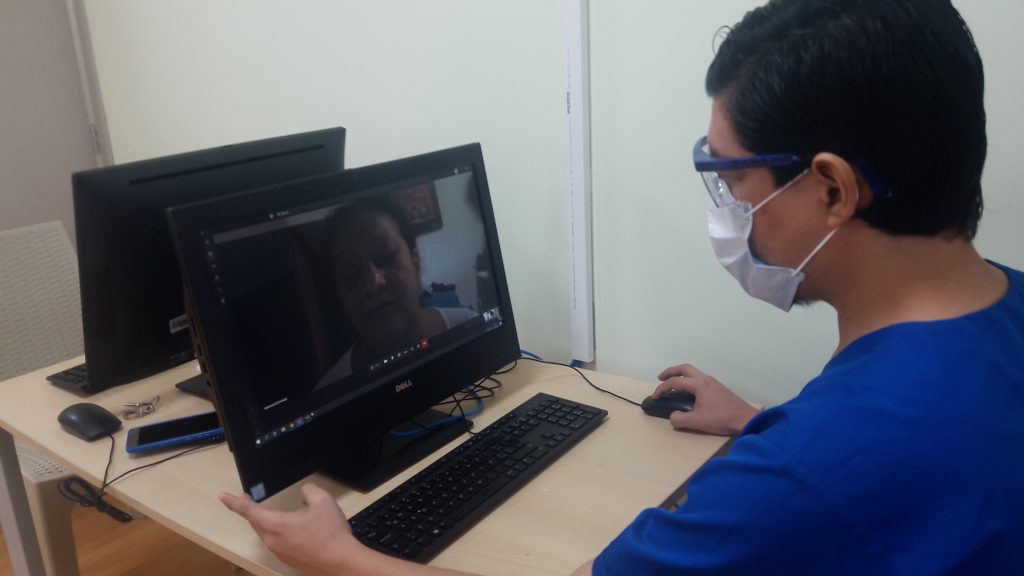
A patient in a rural area can send scans to a specialist in another state. A cancer patient can get pathology reviewed by a major academic center without leaving home.
The friction that once made second opinions rare — travel, time, finding the right doctor — is dropping fast. The other driver is awareness. More people know they can ask for a second opinion.
More insurers cover it. More employers offer it as a benefit.
The old norm — one doctor, one diagnosis, proceed — is eroding. Look at the numbers again. $8.36 billion in 2025. That is not pocket change.
That is a substantial industry already. Hospitals, telemedicine platforms, and independent review firms are all competing for a share. By 2035, the report projects $34.57 billion.
That is a market that has become a standard part of the medical landscape, not an exception. The growth rate matters. 15.3 percent compounded annually is fast.
It is faster than the overall health care spending growth in most developed countries. It suggests that second opinions are not just keeping pace with the broader medical economy. They are outpacing it.
This raises a practical question for patients. The report does not answer it, but the numbers imply it: if the market for second opinions is growing this fast, the demand for them must be real.
People are not paying for second opinions out of idle curiosity. They are paying because the first opinion left them uncertain, or because the stakes were too high to trust a single read. The report is blunt on one point.
It says the growth is driven by the need for accurate diagnoses and effective treatments. That is the core of it. A second opinion is a check on error.
Medicine is hard. Diagnoses are wrong sometimes.
Treatments fail. A second opinion is a hedge against those failures. Under the hood, the report sees technology as the enabler.
Digital platforms can connect patients to specialists quickly. Artificial intelligence tools are starting to assist in image review.
The combination of human expertise and machine analysis is making second opinions faster and cheaper. That lowers the barrier. More people use the service.
The market expands. The report is a market forecast, not a medical journal. It does not claim that second opinions always change outcomes.
It does not claim they save money overall. It simply tracks the money.
The money says this is a growth industry. One final number: 2035. That is ten years out.
The report projects the market will be worth $34.57 billion by then. Whether that forecast holds depends on technology, regulation, and how much patients trust their first diagnosis.
But the direction is clear. The market is not shrinking. It is not flat.
It is climbing.




