
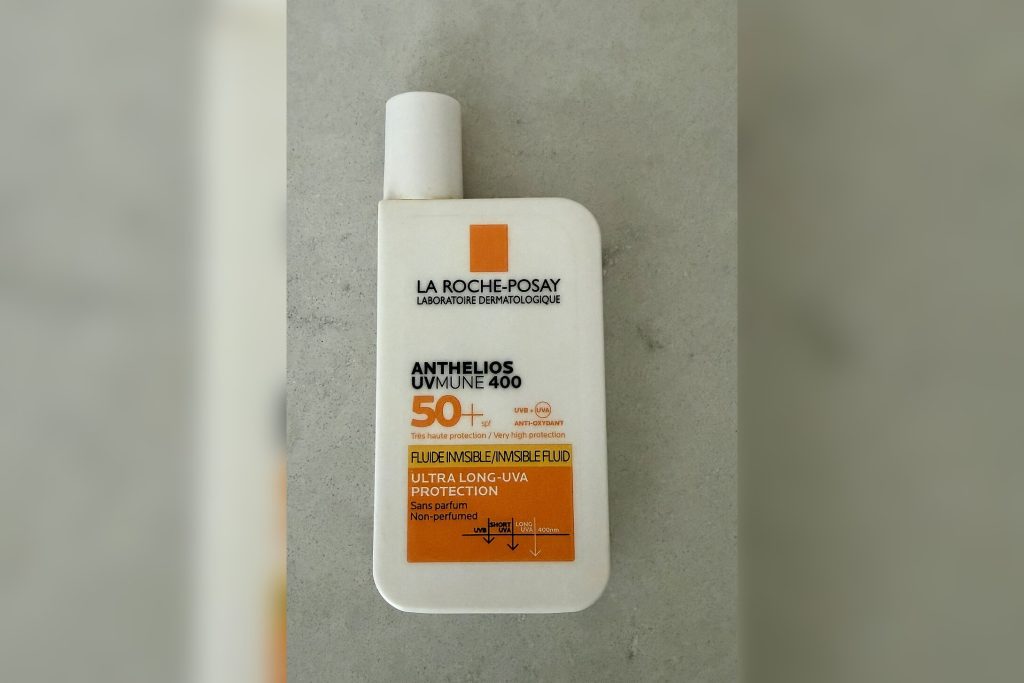
NEW YORK — It is not that people skip sunscreen. They just use far too little of it. The gap between the recommended amount and what actually ends up on skin is wide — and it is leaving people burned.
According to data examined by health officials, a significant number of individuals apply somewhere between a quarter and a half of the recommended amount of sun cream. That shortfall is substantial.
It is not a minor miscalculation. It is a consistent, widespread failure that has real consequences for skin health. Think about what half the recommended amount means.
If a person should use about a shot glass full of sunscreen to cover their body, they are using half that — or less. The protection factor drops.
The skin gets less coverage. The sun’s UV rays find the gaps. By nightfall, the damage is already done.
Residents on the ground describe this as a concerning trend. People are outdoors, enjoying the weather. The scene is familiar: someone at the beach, in the park, at a cookout — sunscreen applied, but not enough.
The bottle might be half empty, but the skin is still exposed. The risk of sunburn and photodamage climbs steadily as the day wears on.
The consequences are not abstract. Sunburn hurts. Photodamage adds up over time — wrinkled skin, discoloration, and a higher chance of skin cancer.
None of that is theoretical. It is what happens when people consistently underapply protection.
Awareness is part of the problem. Many people simply do not know the correct amount. The knowledge gap is palpable on the streets.
People are not willfully ignoring the advice. They just do not have it. They think a dab here and a smear there is enough.
It is not. The numbers show that most people are not taking sufficient precautions.
This is not a niche issue. It is a public health concern with a considerable impact. The consequences of inaction will be felt by many.
Skin damage is preventable, but only if the right steps are taken. And the first step is knowing what “right” means.
The recommended amount is not a suggestion. It is a guideline based on science. Skimping on sunscreen is like undercooking chicken — the result is predictable.
The sun does not negotiate. Its rays intensify through the day. Without adequate protection, the risk grows.
Some people might think they are fine because they are not burning right away. But photodamage does not always show up immediately.
It accumulates. The skin remembers. A person might not see the full cost of underapplying sunscreen until years later.
By then, the damage is done. Health officials point to a pressing need for immediate attention.
The trend is clear. The shortfall is real. And the solution is straightforward: use more sunscreen.
Apply the full amount. Do not cut corners. The data does not lie.
For now, the scene remains the same. People are out in the sun.
Many are underprotected. The gap between what is recommended and what is applied is not closing fast enough. That is the reality on the ground, and it is one that demands action.




