It starts with a machine and a catheter. A device draws some of the patient’s blood, pulls out the white blood cells and sends the rest back into the body. That procedure, leukapheresis, is the first step of CAR-T therapy, and everything that follows depends on those cells.
How the treatment works
T cells are the immune system’s patrol. Each carries receptors that check other cells for abnormal surface proteins, called antigens, and when a receptor spots one, the T cell attacks. Cancer often slips past that patrol. CAR-T therapy tries to fix this by rebuilding the patrolling cells.
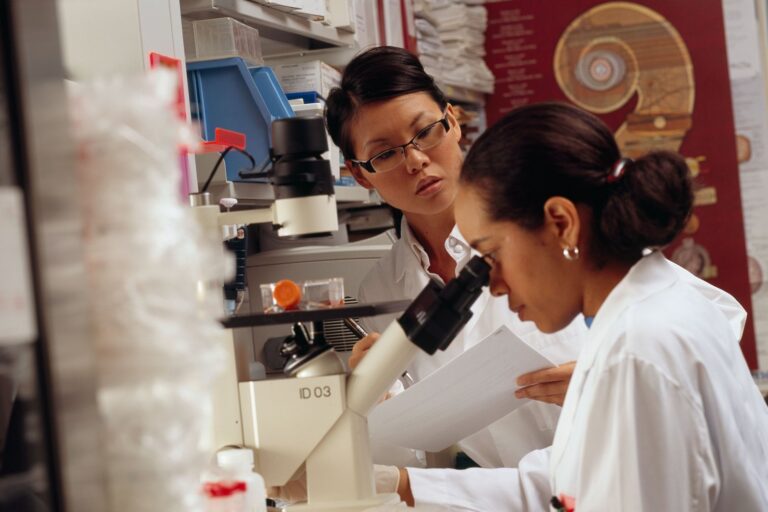
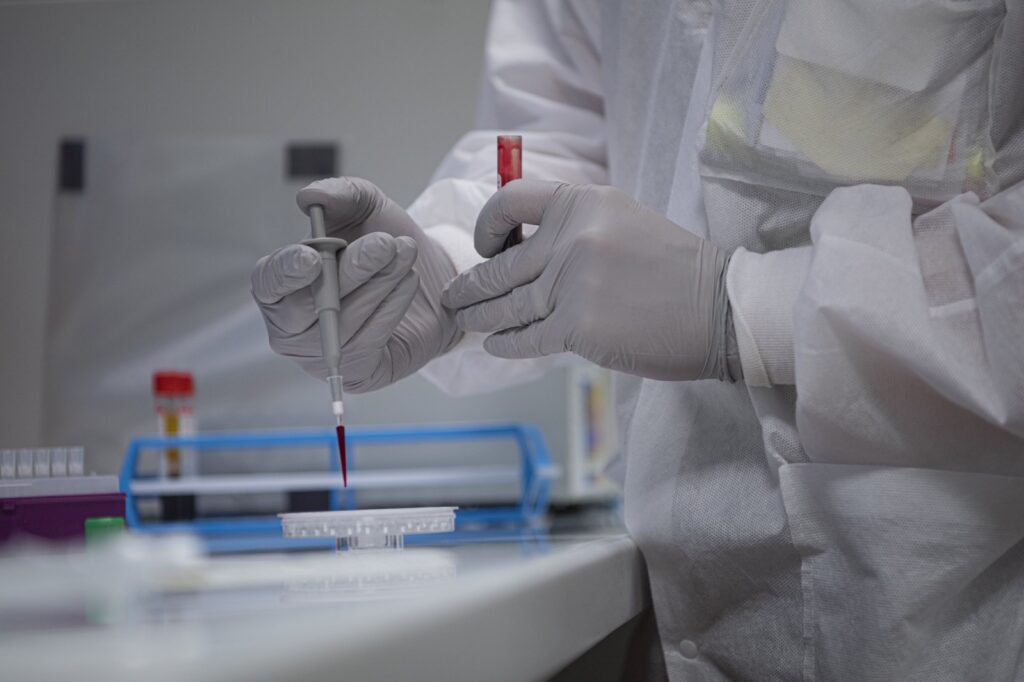
In a laboratory, scientists add a lab-made gene to the patient’s T cells. The gene gives them a chimeric antigen receptor, or CAR, built to lock onto a specific protein on the cancer cell. Then the engineered cells are grown until there are enough of them. The National Cancer Institute puts that stretch at 2 to 8 weeks, and Cleveland Clinic says three to six. While the lab works, some patients get chemotherapy or radiation to hold the cancer in check.
Just before the return, the patient has lymphodepleting chemotherapy, which keeps the body from rejecting the new cells. The infusion itself is quick, between five and 30 minutes through an IV, much like a blood transfusion. The cells then keep multiplying in the bloodstream. That staying power is why doctors call the treatment a “living drug.”
Which cancers, and when
Six CAR-T products have FDA approval for blood cancers, according to the National Cancer Institute. Cleveland Clinic names five of them:
Kymriah for acute lymphoblastic leukemia or non-Hodgkin lymphoma. Aucatzyl for acute lymphoblastic leukemia. Yescarta for large B-cell lymphoma and follicular lymphoma. Tecartus for mantle cell lymphoma and acute lymphoblastic leukemia. Breyanzi for large B-cell lymphoma, follicular lymphoma, CLL and mantle cell lymphoma.
These are options for when other treatments have not worked or the cancer has come back. They are not a first move.
What the results look like
One figure comes from a 2020 study of children with acute lymphoblastic leukemia. More than 85% reached complete remission right after treatment, and 60% of those children were still free of cancer 12 months later. Cleveland Clinic says CAR-T “can cure certain types of blood cancer” in some cases. It also points to an analysis of the research that found the therapy was not a cure for a significant share of people. For many patients the gain is more time.
The risks are real
The two most common serious side effects are cytokine release syndrome and neurological problems. Cytokine release syndrome happens when the transferred cells, or other immune cells reacting to them, flood the blood with cytokines. It tends to begin with fever and flu-like symptoms, and it can move fast. St. Jude says it usually appears within 1 to 14 days of treatment. Most people have a mild form. In some it turns severe or life-threatening, and doctors can treat it with drugs such as tocilizumab or corticosteroids, with intensive care for the worst cases.
A related condition, immune effector cell-associated neurotoxicity syndrome, or ICANS, is inflammation that affects the brain and nervous system. CAR-T cells can also sometimes recognize normal cells, which can damage organs.
Because of this, patients may stay in the hospital for seven to 10 days and are asked to remain within driving distance of the treatment center for the first month.
Solid tumours remain a trial question
CAR-T has been studied in solid tumours, including breast and brain cancers, but the National Cancer Institute says that use is still experimental. Cleveland Clinic counts more than 1,000 clinical trials testing possible CAR-T drugs.
Patients should ask their oncologist whether CAR-T or a clinical trial fits their case.
Sources
- T-cell Transfer Therapy – Immunotherapy
- What Is CAR T-Cell Therapy?
- FDA-Approved CAR-T Therapies – UNC Lineberger Comprehensive Cancer Center
- Cytokine Release Syndrome (CRS)
- Cancer immunotherapy
- A new role for CAR T cells in studying the immune system
Photo: U.S. Air Force photo by Airman 1st Class Jennifer Gonzales (Public domain)