
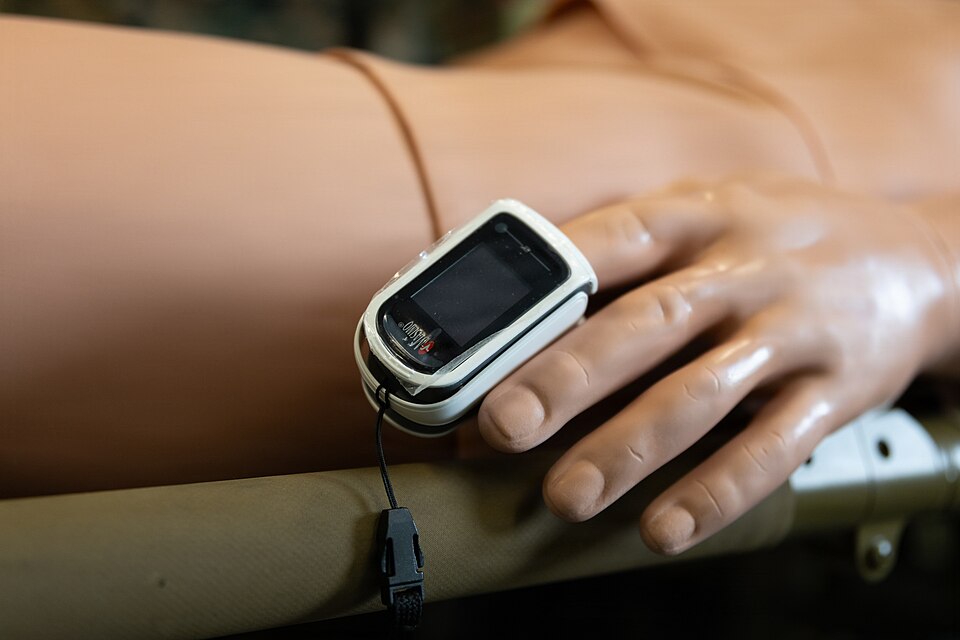
Health systems are putting real money behind remote patient monitoring. That is the headline from Cadence’s $100 million Series C raise, led by Spark Capital and backed by Memorial Hermann and Duke Health. The company builds a platform for tracking chronic conditions like hypertension, type 2 diabetes, heart failure and COPD.
Patients take vitals at home. Care teams get the data.
It sounds straightforward. It is not. The evidence base is still developing.
Early findings suggest patients can manage health from home, but the science is not settled. That is the honest context.
Yet the funding round is large, and the investors are not venture firms alone. Memorial Hermann and Duke Health are health systems. They treat patients.
They see the operational problem: frequent clinic visits are expensive, inconvenient, and often skipped. Remote monitoring is a bet on a different model. Cadence plans to spend the money on expanding its technology and services across health systems.
It also wants to advance AI agents and grow value-based care models. AI agents in healthcare are an emerging technology.
Their role in clinical decision-making requires careful study. That is not a warning to dismiss them. It is a statement of fact.
The technology is new. The data is thin.
The potential is real. The company already covers four major chronic conditions. These are the diseases that drive most healthcare spending in the United States.
Hypertension alone affects nearly half of American adults. Diabetes, heart failure and COPD add millions more. Managing them requires regular monitoring of vital signs and symptoms.
That is exactly what Cadence’s platform does. Patients track their health data at home and share it with their care teams.
The goal is to catch problems early, reduce hospitalizations, and keep patients stable. The involvement of Memorial Hermann and Duke Health matters. Their investment signals that major healthcare providers see potential in remote monitoring.
They are not just buying a product. They are betting on a shift in how chronic care is delivered.
Value-based care models reward keeping patients healthy, not just treating them when they get sick. Remote monitoring fits that framework. Cadence plans to grow those models.
This is not a charity play. Spark Capital leads a $100 million round because they expect a return. The market for remote patient monitoring is growing.
The pandemic accelerated adoption. Patients and doctors got used to virtual care.
The infrastructure is being built. Cadence is one piece of that infrastructure. Patients should talk to their doctor before making any changes to their care routine based on new technologies.
That is always the right advice. But the direction is clear.
Health systems are investing in tools that let patients manage chronic conditions from home. The evidence base will grow. The technology will mature.
For now, the money is on the table. The systems are buying in. The rest is execution.




