
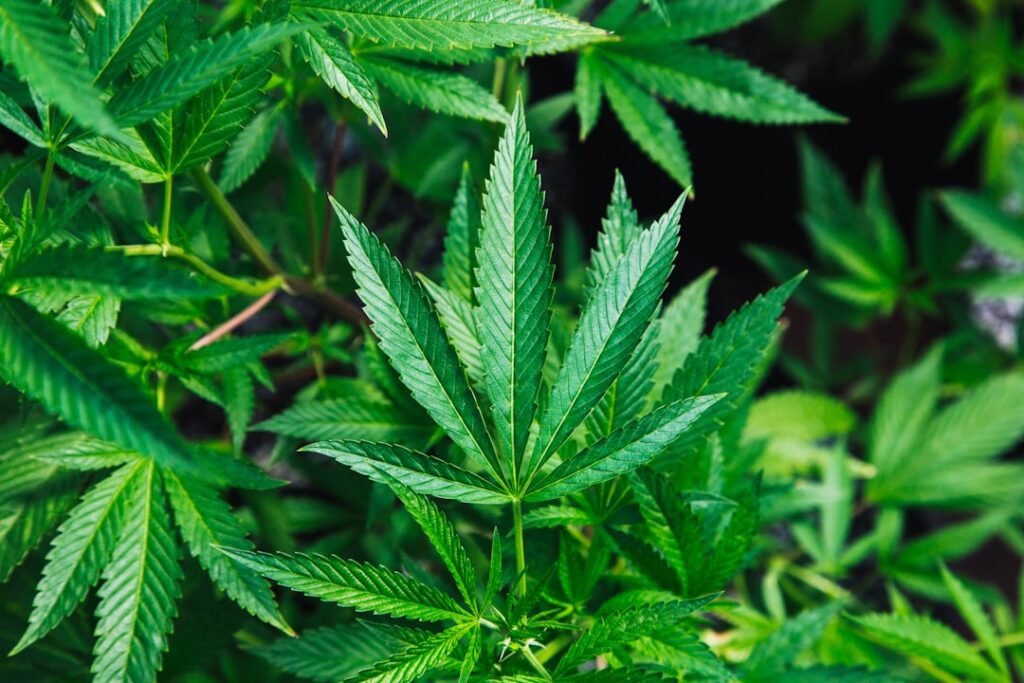
BANGKOK — What began as Southeast Asia’s most ambitious cannabis experiment has come to an abrupt end. On July 25, 2024, Thailand’s new administration suspended all commercial cultivation and sales of cannabis, reversing policies that had positioned the country as a regional leader in the industry.
The decision came after months of mounting pressure from medical groups warning about addiction risks and the proliferation of unregulated markets. While the previous government had promoted cannabis as an economic driver for rural communities, the new leadership prioritized public health concerns over commercial interests. The reversal was immediate and complete.
All pending licenses for commercial production were suspended. The legal framework for medical cannabis remains technically intact, but under significantly stricter oversight.
For thousands of smallholder farmers who invested heavily in the industry, this technicality provides little relief. Farmers had converted rice paddies to hemp fields and invested in irrigation systems, processing equipment, and other infrastructure. These crops now sit in the ground with no legal market for sale.
The economic projections that attracted these investments — including estimates of billions of baht in national revenue by 2025 — are now in doubt. The stock market reacted within hours of the announcement.
Shares of major agricultural conglomerates with hemp-related operations dropped sharply. Investors who purchased land and machinery based on the previous administration’s promises now face lawsuits and bankruptcy proceedings as they attempt to recover losses from the sudden policy shift. Thailand’s cannabis journey began with progressive legalization, promoted as a cash crop for rural farmers. The former government emphasized tax revenue and agricultural employment, prioritizing economic growth over health considerations.
The sector experienced rapid growth. However, the new administration brought different priorities, and the unresolved tension between economic opportunity and public health risks was ultimately settled by the change in political leadership.
Medical groups had consistently warned about addiction dangers and unregulated market expansion. Their concerns gained traction as elections approached, and the new government responded by implementing the ban. Industry analysts had projected a sector worth billions of baht by 2025, but that forecast is no longer credible.
The sudden policy change has created significant uncertainty for investors who had committed substantial resources to the hemp sector. Legal battles and bankruptcy filings are only beginning to emerge.
This situation represents a case of policy whiplash rather than poor business decisions. Thailand’s cannabis industry was constructed on political promises, and when those promises shifted, the foundation crumbled. Farmers who followed legal requirements now possess crops they cannot sell.
Investors who relied on government signals face financial devastation. The new administration has stated its position: public health takes precedence.
However, the burden of this decision falls on those who believed in the earlier promises. The fields remain planted, the crops continue growing, but the market that was supposed to receive them has vanished.




