
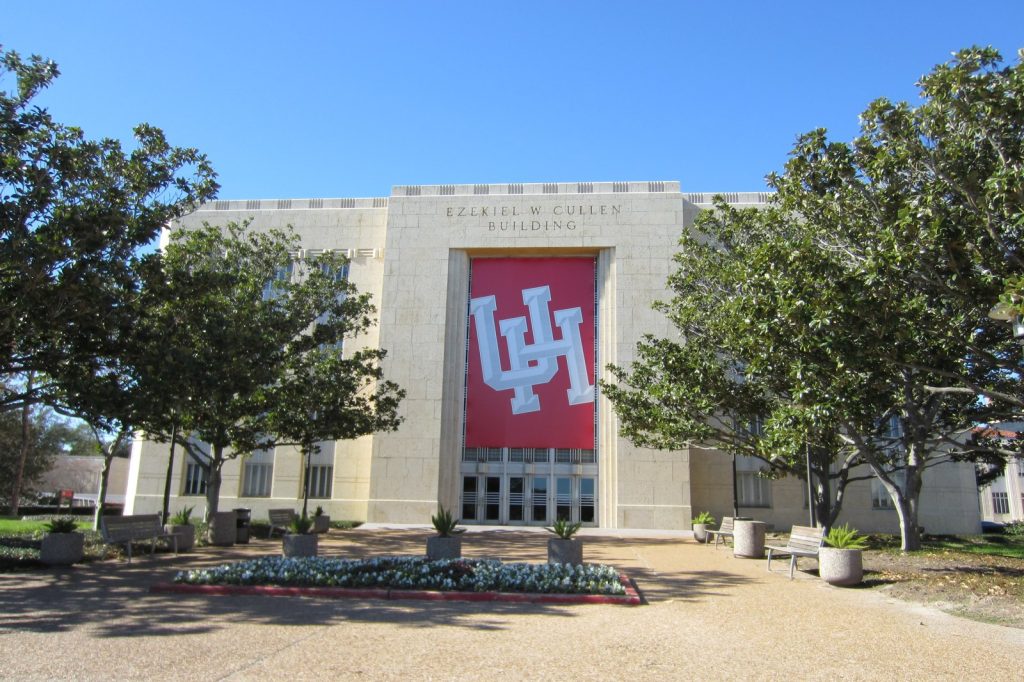
HOUSTON, July 13 — The University of Houston’s experimental fentanyl vaccine is now awaiting clearance from the U.S. Food and Drug Administration to begin human clinical trials, a process that could begin as early as next year. The FDA, which regulates all clinical trials in the United States, requires an Investigational New Drug application before any human testing can proceed. The research team, led by Dr. Colin Haile, must first submit the preclinical data from their animal studies, which were published in the Journal of the American Chemical Society in 2024, to demonstrate both safety and efficacy to the agency’s satisfaction.
The FDA typically reviews IND applications within 30 days. If the agency signs off, Phase 1 clinical trials will test the vaccine’s safety and optimal dosage in a small group of healthy volunteers. Strategically, this first phase is the narrowest gate in the broader regulatory calculus — a hurdle that determines whether the vaccine can advance to larger populations.
The Stakes in the Opioid Crisis
Phase 2 and Phase 3 trials would then assess the vaccine’s effectiveness in larger populations, including individuals at risk of fentanyl overdose. The entire clinical trial process can take several years. What this signals is a long-term strategic play against a synthetic opioid that has become a leading driver of overdose deaths across the United States. Fentanyl is roughly 50 to 100 times more potent than morphine, and even trace amounts can be lethal.
The vaccine works by training the immune system to produce antibodies that bind to fentanyl molecules in the bloodstream, preventing the drug from reaching the brain and producing a high. This mechanism is fundamentally different from medication-assisted treatments like methadone or buprenorphine, which target opioid receptors. The vaccine approach, if proven effective, could offer a prophylactic tool for individuals in recovery or those at high risk of accidental exposure.
The University of Houston has filed a patent for the vaccine technology. The research has been funded by the National Institutes of Health and the Texas Higher Education Coordinating Board. Those funding sources signal institutional confidence in the science, but the broader stakes remain high. No vaccine for opioid addiction has ever been approved by the FDA, making this a potential first-in-class therapeutic.
The Regulatory Path Ahead
The FDA’s review of the IND application will scrutinize the animal data for any signs of adverse immune reactions or off-target effects. The agency has become increasingly aggressive in addressing the opioid crisis, issuing guidance in recent years to encourage the development of novel treatments for substance use disorders. If the IND is approved, the University of Houston will need to recruit healthy volunteers for Phase 1, a process that itself can take months.
Dr. Haile and his team have not disclosed the exact timeline for submission, but the expectation is that human trials will begin in 2025. That timeline depends entirely on the FDA’s assessment of the preclinical data. The agency has the authority to place a clinical hold on any trial if safety concerns arise, which could delay the process indefinitely.
The broader chessboard here involves not just the FDA but also the public health infrastructure needed to deploy such a vaccine. If the trials succeed, manufacturing, distribution, and uptake among at-risk populations would present a new set of challenges. The vaccine would likely require multiple doses and periodic boosters, complicating its use in the homeless and transient populations most vulnerable to fentanyl overdose.
For now, the focus remains on the regulatory gate. The University of Houston’s patent filing gives it intellectual property protection, and the NIH funding provides the financial runway. What this signals is a deliberate, phased approach to bringing a novel intervention to a market that has seen few breakthroughs against synthetic opioids.
Consult your doctor for medical advice.




