
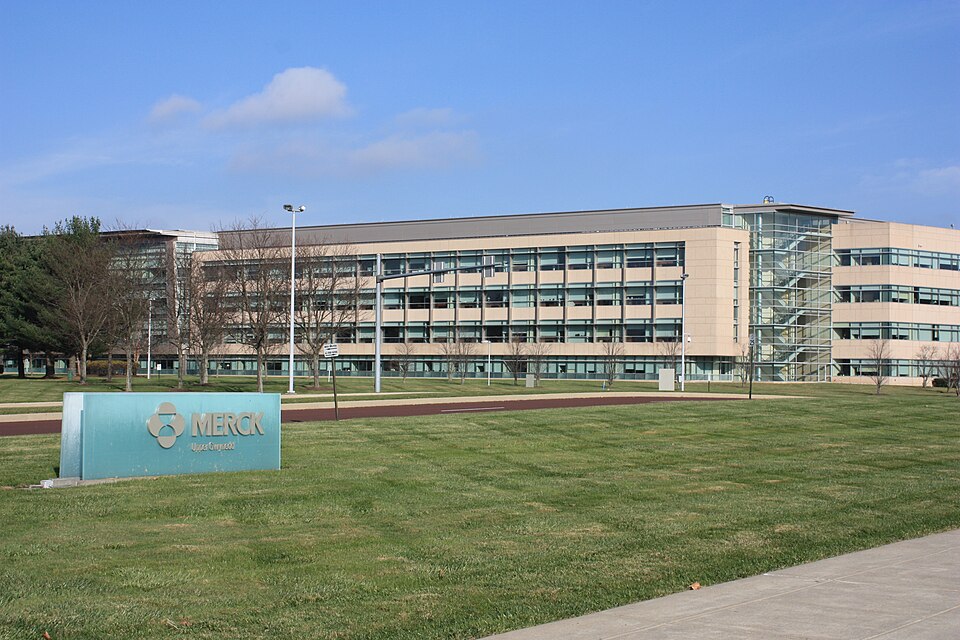
The landscape of cancer treatment has been fundamentally reshaped over the past decade by a wave of immunotherapies that enlist the body’s own immune system to fight tumors. At the center of this transformation are checkpoint inhibitors, a class of drugs developed by major pharmaceutical companies with deep roots in the United States.
Bristol Myers Squibb, headquartered in New York, created two of the foundational medicines in this class: ipilimumab (Yervoy) and nivolumab (Opdivo). Nivolumab, approved in 2014, became the first PD-1 inhibitor available to patients, marking a pivotal moment in oncology. Merck & Co., based in Kenilworth, New Jersey, followed later that same year with its own PD-1 inhibitor, pembrolizumab (Keytruda), which was initially approved for melanoma.
The technical mechanism of PD-1 inhibition is precise: it removes a brake that the immune system applies to itself, thereby allowing T-cells to attack tumors. The commercial scale of this class of drugs is underscored by Keytruda’s 2022 sales, which reached $20.9 billion.
Checkpoint Inhibitors: Removing the Brake on T-Cells
While Bristol Myers Squibb and Merck focused on blocking the PD-1 receptor on immune cells, Roche, the Swiss pharmaceutical company, took a slightly different molecular path. Its drug atezolizumab (Tecentriq), approved in 2016, targets PD-L1, a ligand that sits on the tumor cell rather than on the immune cell. Blocking the ligand rather than the receptor achieves a similar therapeutic effect, illustrating the varied approaches within checkpoint inhibition.
Bristol Myers Squibb itself has already combined its two checkpoint inhibitors, ipilimumab and nivolumab, in several indications, demonstrating how these drugs can work together to improve outcomes. The company traces its origins to the mid-19th century, when Edward Robinson Squibb founded a pharmaceutical company in Brooklyn known for advocating strict quality control and purity standards.
That firm later merged with Bristol-Myers in 1989, forming a combined entity with deep roots in drug development and a reputation for research-driven innovation. Today, Bristol Myers Squibb is a multinational pharmaceutical company headquartered in the United States that discovers, develops, and markets therapies for serious diseases, with a major focus on oncology and immunology.
CAR-T and Other Modalities: Engineering a Living Drug
The field of cancer immunotherapy extends beyond checkpoint inhibitors. Novartis, also a Swiss company, developed tisagenlecleucel (Kymriah), the first CAR-T therapy, approved in 2017.
CAR-T involves extracting a patient’s own T-cells, genetically engineering them to recognize cancer, and then re-infusing them into the patient. It is a living drug, and the manufacturing logistics remain a critical detail that shapes its use. Meanwhile, Johnson & Johnson’s Janssen unit markets daratumumab (Darzalex) for multiple myeloma.
This drug targets CD38, a protein heavily expressed on myeloma cells, and represented a significant advance for that disease. The research backbone of this progress sits across several major institutions.
The National Cancer Institute, part of the NIH, conducts federal research that underpins many of these advances. Key academic centers include MD Anderson Cancer Center in Houston, Memorial Sloan Kettering in New York, and Dana-Farber Cancer Institute in Boston. Academic pioneers have also driven the science: James Allison at MD Anderson worked out the mechanism of CTLA-4 inhibition; Carl June at the University of Pennsylvania drove CAR-T from the lab to the clinic; and Steven Rosenberg at the NCI, a veteran of immunotherapy research, has pursued cell-based treatments for decades.
The Next Wave: Combining Modalities for Higher Response Rates
What to watch next is the combination of these modalities. Researchers are already exploring how to pair checkpoint inhibitors with CAR-T or with bispecific antibodies, with the goal of pushing response rates higher. The next wave of innovation will likely build on the foundational work of Bristol Myers Squibb and its peers, as the field continues to evolve.
The company’s early emphasis on high standards and its long history in pharmaceuticals positioned it to play a key role in modern cancer treatment, particularly through its development of immunotherapy drugs that have transformed oncology care. Its work in checkpoint inhibitors and other therapies has cemented its place as a leader in a field that continues to shape medical progress.
Consult your doctor for medical advice.




