
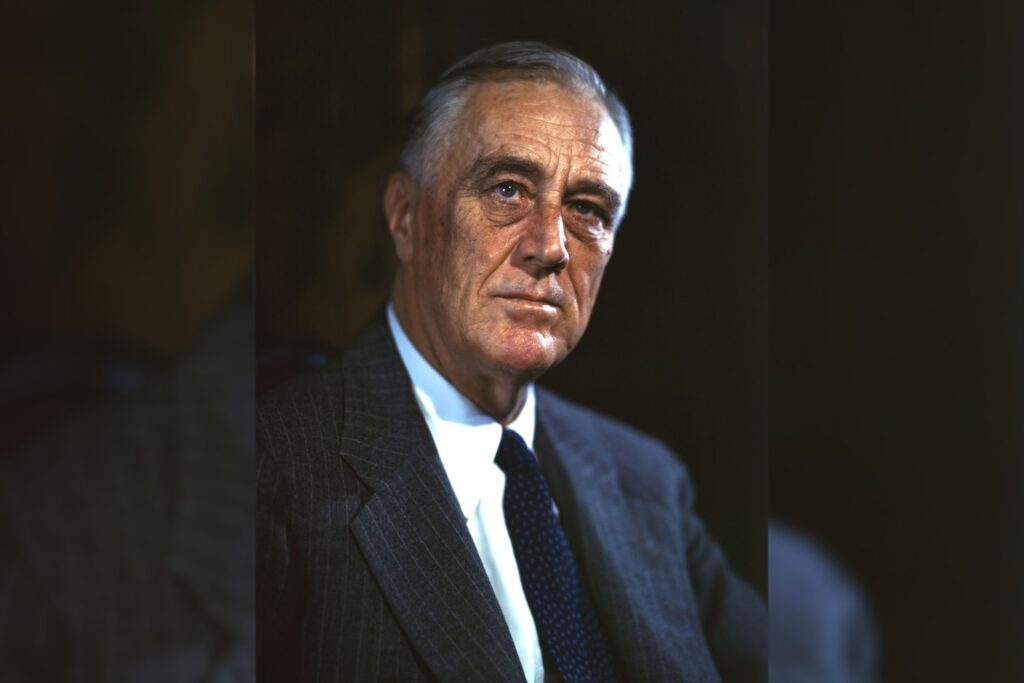
For anyone who has ever snapped at a loved one during a hospital visit, Franklin D. Roosevelt’s old saying lands like a stone in still water. “It is better to swallow words than to have to eat them later,” the former president once remarked.
The line, delivered decades ago, now finds fresh relevance in hospital waiting rooms and kitchen tables where families are wrestling with a diagnosis or a difficult treatment plan. The quote is not about silence.
It is about timing. Roosevelt understood that a sharp retort, once released, cannot be reeled back in. For patients and their caregivers, that lesson can mean the difference between a conversation that heals and one that leaves lasting scars.
Behind the breakthrough of any great leader, the report notes, lies a discipline many struggle with daily. Roosevelt’s insight points to the value of discretion and patience.
Consider what happens when a family receives hard news from a doctor. The instinct to lash out, to blame, to demand answers — it is a natural reaction. But Roosevelt’s words suggest a different path.
Hold back that first angry sentence. Swallow it. The cost of speaking too soon is measured later, in hurt feelings and misunderstandings that pile up and complicate an already difficult situation.
The quote teaches that restraint is not weakness. It is strength.
For families dealing with health challenges, emotional intelligence becomes a lifeline, not just a nice idea. The ability to pause, to think, and to choose a thoughtful response over a reactive one can transform a relationship with a physician or a family member. Patients who practice this kind of discipline often find that their conversations become more productive, their care more collaborative.
But the lesson extends beyond the hospital room. Roosevelt’s words apply to any tense situation where words can wound.
The report emphasizes that exercising restraint in the moment can prevent a cascade of regret. Swallowing words now means not having to eat them later — a simple trade-off that many people fail to make. For caregivers, the pressure is immense.
Fatigue, fear, and frustration can turn ordinary exchanges into battlegrounds. Roosevelt’s quote offers a practical tool: before you speak, pause. Ask yourself whether the words you are about to say will help or harm.
If the answer is harm, swallow them. It is an active choice, not a passive one.
Patience, the quote suggests, is something you do, not something you wait for. The ripple effects of this discipline are real. Families that learn to communicate with restraint report fewer conflicts and closer bonds.
Doctors who encounter patients who listen before reacting find it easier to share difficult information. The entire dynamic shifts when one person decides to hold back a sharp retort.
Roosevelt’s words have a way of sticking with you. The quote continues to inspire people because it teaches something fundamental about human interaction. It is a simple lesson about communication, but for families navigating tough conversations, it carries real weight.
The former president’s insight speaks to the discipline required to build trust and maintain relationships under strain. For those facing a diagnosis or a difficult treatment plan, that discipline is not optional. It is essential.




