
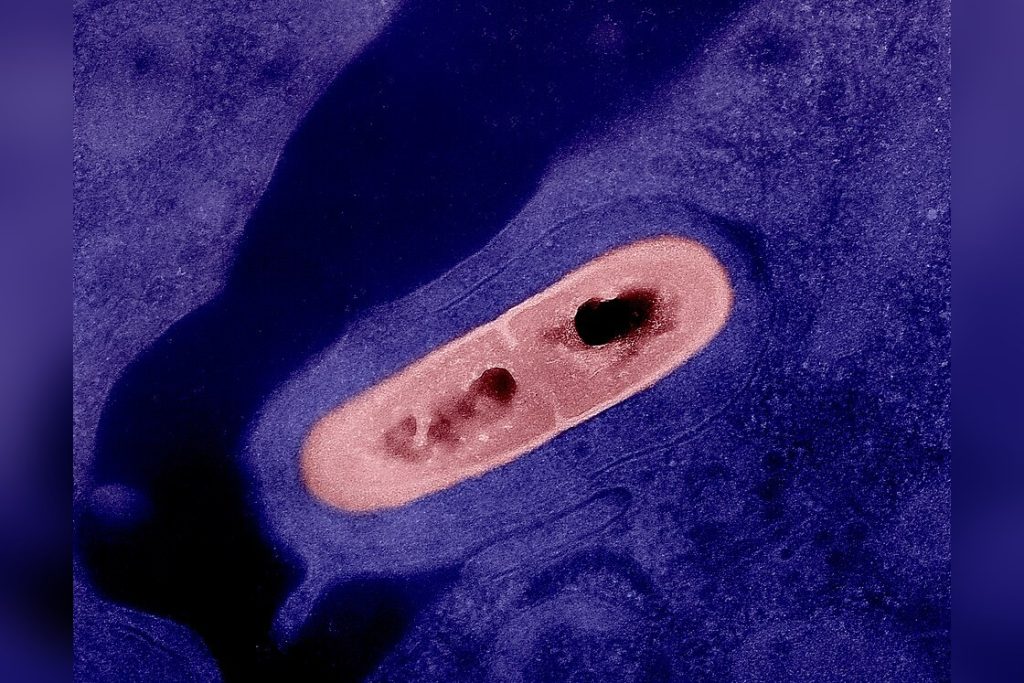
Health officials in California have confirmed that an outbreak of Listeria monocytogenes linked to ready‑to‑eat meat and poultry products has resulted in the death of an infant and has sickened at least ten additional individuals. Listeriosis, the infection caused by the bacterium, can affect people of any age but is especially dangerous for groups with weaker immune defenses, including the elderly, newborns, fetuses and those already battling other illnesses.
Infectious‑disease specialist Dr. Jennifer Ashton warned that the infection can lead to severe sepsis, meningitis, encephalitis and, in some cases, death. The infant’s fatal outcome underscores the seriousness of the disease. Pregnant women face particular risks.
Obstetrician‑gynecologist Dr. Laura Riley explained that even if a pregnant woman experiences only mild symptoms after consuming contaminated deli meat, the bacteria can cross the placenta, potentially causing stillbirth, miscarriage or premature delivery. The contaminated products are precisely the type of ready‑to‑eat meats that health experts advise pregnant women to avoid.
Because Listeria can incubate for up to 70 days, the full extent of the outbreak is still uncertain. Individuals who consumed the tainted foods weeks ago may develop symptoms later, meaning the reported ten cases could rise as the incubation period unfolds. California public‑health teams are now racing to trace the source of the contaminated items, reviewing purchase records and production logs, and removing affected products from retail shelves.
Food‑safety researcher Dr. Martin Wiedmann noted that while detection and prevention technologies are improving, the bacterium’s natural presence in soil, water and processing environments makes immediate eradication unrealistic. Listeria’s ability to survive refrigeration and thrive in moist deli‑counter niches means containment, rather than total elimination, remains the primary goal.
Consumers are being urged to steer clear of high‑risk foods such as ready‑to‑eat meats and soft cheeses, or to heat these items until they steam, thereby reducing bacterial load. Dr. Ashton emphasized the importance of reading product labels, reheating deli meats, and practicing thorough hand and surface hygiene after handling raw foods. Although these steps are straightforward, compliance is not universal. The economic fallout is already evident.
Companies whose products are tied to the outbreak face product recalls, loss of revenue and potential legal liability. Consumer confidence in the affected brands has eroded, and the broader ready‑to‑eat meat category is likely to see a decline in sales as shoppers shift to alternative options.
Regulators are set to conduct detailed inspections of processing facilities, testing equipment surfaces and evaluating sanitation protocols. Discovery of significant lapses could lead to plant shutdowns, further disrupting supply chains and resulting in job losses. Medical teams are treating the ten confirmed patients with antibiotics, though outcomes vary.
Older adults and immunocompromised individuals remain at high risk of severe complications despite therapy. Pregnant patients diagnosed with listeriosis are undergoing close monitoring, with any fever or uterine activity treated as a potential emergency.
Listeriosis remains a relatively rare but formidable public‑health threat. This California outbreak highlights the potential consequences when a commonplace food item becomes a vehicle for a dangerous pathogen. Continued vigilance—from manufacturers, regulators and consumers alike—is essential to prevent further illness and to protect the most vulnerable populations.




