
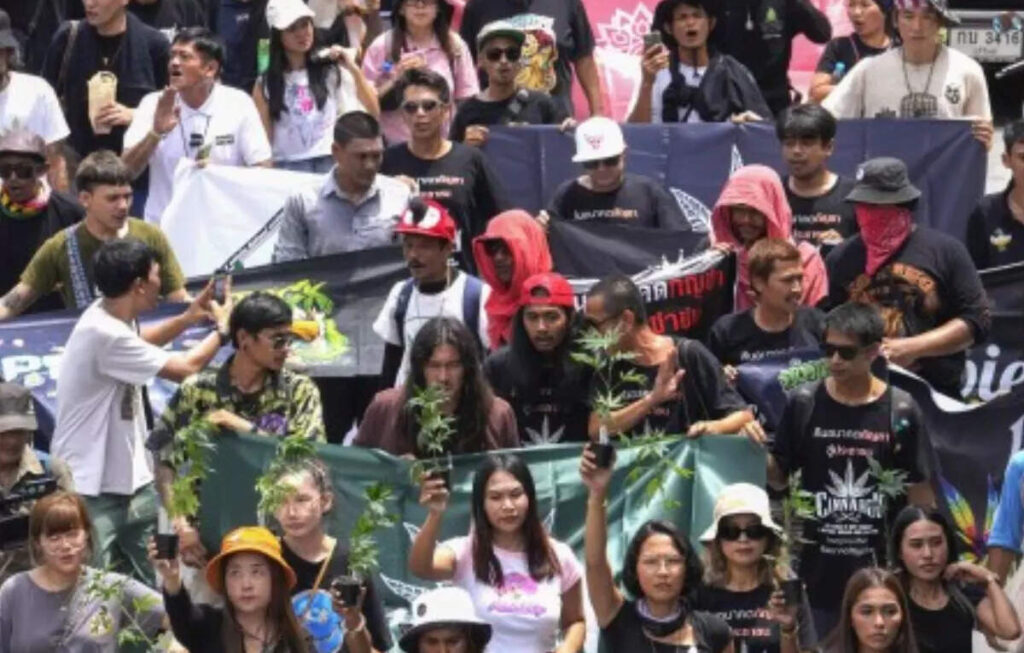
Immediate suspension of commercial licences
Officials declared that all pending licences for commercial production would be suspended immediately. While the existing legal framework for medical use remains technically in place, it is now subject to stricter oversight. The abrupt change created uncertainty for investors who had backed a booming hemp sector and left thousands of farmers and processors facing the prospect of financial loss.
Economic fallout for farmers and investors
The reversal hit agricultural communities that had shifted to cannabis cultivation in recent years. Thousands of smallholder farmers who had invested in irrigation systems, processing equipment and other infrastructure now find themselves with crops that cannot be legally sold on the open market. Industry analysts had projected the sector could contribute billions of baht to the national economy by 2025, a figure now in jeopardy.
Investors who bought land and machinery based on the previous administration’s promises are confronting lawsuits and bankruptcy proceedings as they try to recoup their losses. Within hours of the announcement, shares of major agricultural conglomerates linked to the hemp industry fell sharply on the stock market.
Bankruptcy filings have already begun to appear in provinces where cannabis farming had become a primary source of income for rural populations.
Medical access remains uncertain
Although commercial operations were halted, the status of medical cannabis access became a point of contention. The new government said the law governing medical use would not be abolished entirely but argued that tighter regulations are needed to prevent misuse.
Physicians who have prescribed cannabis‑based treatments for chronic pain, epilepsy and other conditions report confusion over whether those prescriptions will still be honoured under the revised guidelines. Some hospitals say they will continue to dispense medication from existing stockpiles, but long‑term supply chains are disrupted as manufacturers have stopped production. Patient organisations warn that individuals who rely on cannabis as a primary treatment could experience withdrawal symptoms or a return to unmanageable pain if access is cut off too abruptly.
International relations and trade implications
The policy shift also attracted attention from foreign partners that had been negotiating trade agreements centred on Thai hemp exports. Several nations in the European Union and parts of North America had expressed interest in importing processed cannabis products for their own medical markets. The sudden halt in production threatens to derail those diplomatic efforts and could strain relations with allies that had viewed Thailand as a regional leader in responsible legalisation.
Trade representatives from the affected countries have issued calls for stability and predictability in Thai agricultural policy, warning that a lack of clear direction may discourage future investment in the region. Experts say restoring confidence will require a transparent roadmap outlining how the government intends to reintegrate the industry or permanently alter its approach.
Path forward amid political transition
As Thailand navigates this transition, the political landscape remains volatile with elections approaching and competing factions seeking influence over national policy. The new administration has signalled it will conduct a comprehensive review of all existing laws related to controlled substances before making any further decisions on commercialisation or medical access. That review is expected to take several months, during which the industry will operate in a state of limbo.
Legal experts advise stakeholders to prepare for potential litigation as previous contracts and licences are challenged in court. The episode underscores the delicate balance governments must strike between fostering economic innovation and protecting public welfare—a challenge many nations face as they grapple with emerging industries such as cannabis cultivation.




