
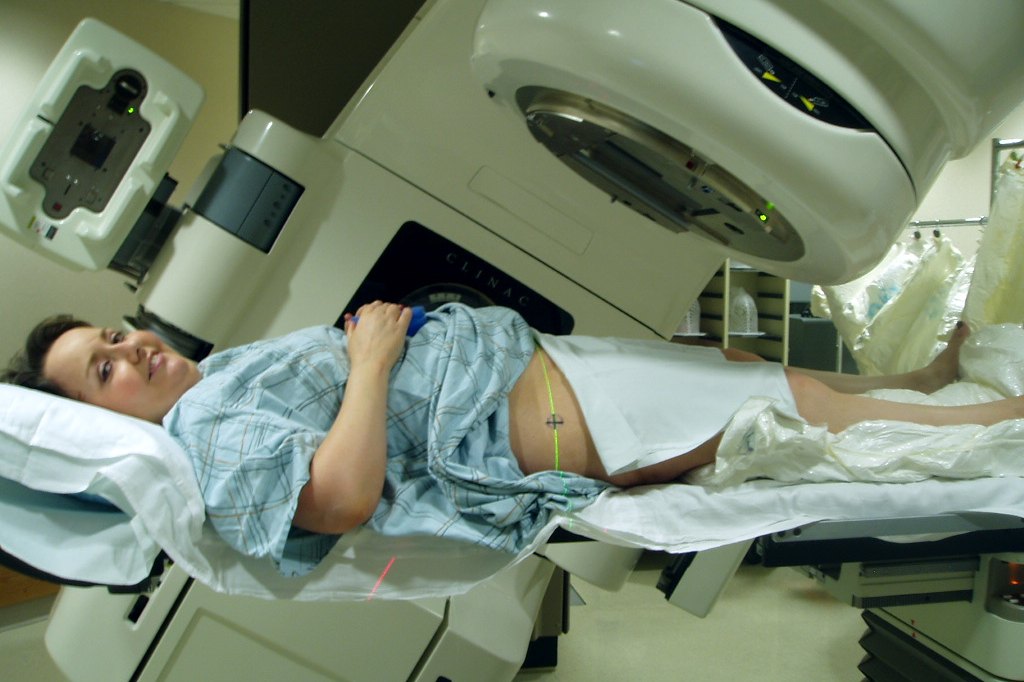
WASHINGTON, June 17 — A dramatic turnaround in cancer treatment and prevention in the United States, which began in 1991, has not been evenly distributed, with rural areas lagging behind. The bottom line: cancer treatment and prevention strategies are not reaching rural areas at the same rate as rich, urban areas. By the numbers, this disparity is a pressing concern, with rural areas experiencing a significant gap in access to cancer care.
Investors will note that this gap has significant implications for healthcare outcomes and economic development in these regions. The figure that matters is the rate at which cancer treatment and prevention strategies are being implemented in rural areas, which is currently falling short of urban areas.
This is a critical issue, as cancer affects people regardless of geographic location. The US administration has a role to play in addressing this disparity, and it will be important to watch how they respond to this challenge. It’s clear that more needs to be done to address the gap in cancer treatment and prevention in rural areas.
A sharp rise in awareness and investment is needed to bring these areas up to speed with their urban counterparts. Several people in the medical community are working to address this issue, but more support is needed to make a significant impact.
Short-term solutions are not enough; a long-term commitment to investing in rural healthcare infrastructure is necessary to close the gap. The US administration must prioritize this issue and work to allocate resources to support the development of cancer treatment and prevention strategies in rural areas. This will require a sustained effort, but the payoff will be worth it: improved healthcare outcomes and a better quality of life for people living in rural areas.
As we look to the future, it will be important to watch how the US administration addresses this critical issue. The key will be to ensure that rural areas have access to the same level of cancer care as urban areas, and that investments are made to support the development of healthcare infrastructure in these regions. With the right approach, it’s possible to make significant progress in the fight against cancer, regardless of where people live. Consult your doctor for medical advice.




