
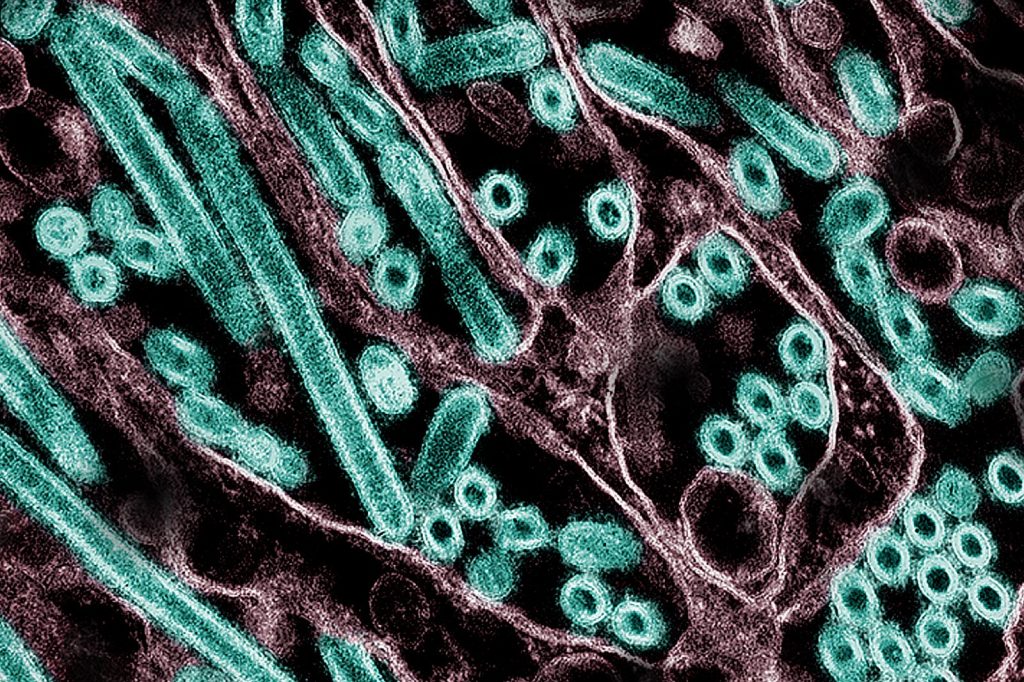
The World Health Organization’s latest tally shows that, since the virus was first identified in humans in 2003, a total of 993 confirmed cases of H5N1 influenza have been reported worldwide. Those cases have resulted in 477 deaths, underscoring the seriousness of the avian‑origin influenza A strain when it crosses into people.
The case‑fatality ratio (CFR) derived from these figures stands at roughly 48 percent – a stark indicator of the disease’s lethality among documented infections. The CFR is calculated by dividing the number of confirmed deaths by the number of confirmed cases; it does not, however, capture infections that go undetected because symptoms are mild or diagnostic capacity is lacking.
To address the limitation of the CFR, health experts also reference the infection‑fatality rate (IFR), which attempts to incorporate unreported cases into the mortality estimate. While the WHO’s data set does not provide a specific IFR for H5N1, historical pandemic IFRs have ranged from 2‑3 percent for the 1918 influenza, to 0.6 percent in 1957 and 0.2 percent in 1968. These benchmarks illustrate how the IFR can differ markedly from the CFR, especially when surveillance is incomplete.
H5N1 remains a global health concern primarily because the virus circulates widely among bird populations and retains the capacity to jump to humans. The potential for rapid spread, combined with the high mortality observed in confirmed cases, fuels ongoing vigilance among public‑health agencies. Surveillance of avian reservoirs and early detection in humans are therefore critical components of pandemic preparedness.
One of the major challenges in assessing the true impact of H5N1 is under‑reporting. In regions where laboratory facilities are scarce, mild or atypical infections may never be confirmed, leading to an inflated CFR. Strengthening diagnostic infrastructure and raising awareness among clinicians and the public are repeatedly cited as essential steps to improve case detection and reporting accuracy.
Looking ahead, the WHO continues to update its database of confirmed H5N1 infections and deaths, while researchers investigate the virus’s transmission dynamics and pathogenicity. Ongoing work includes the development of vaccines, more sensitive diagnostic kits, and antiviral treatments that could lower both CFR and IFR figures in future outbreaks.
International cooperation will be pivotal in bolstering surveillance networks, sharing laboratory capacity, and coordinating response strategies. By maintaining transparent reporting and investing in medical countermeasures, the global health community aims to mitigate the threat posed by H5N1 and reduce the risk of a wider pandemic.




