
Cambridge, Mass. — Ernexa Therapeutics is betting on a single cell therapy to crack one of oncology’s hardest nuts: the so-called “cold” tumor that the immune system simply ignores. If the company’s timeline holds, the first human trial for that therapy, ERNA-101, will open in the fourth quarter of 2026. That trial will test whether an engineered stem cell can deliver a two-pronged immune signal directly into the tumor microenvironment.
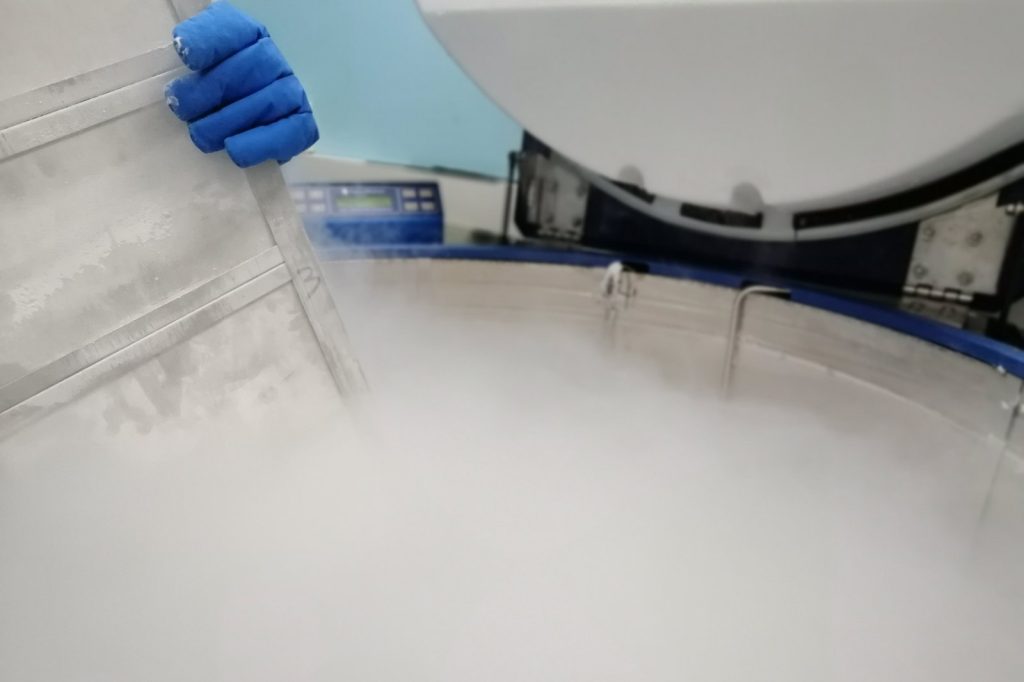
The therapy is built from induced pluripotent stem cells, turned into mesenchymal stem cells, then further engineered to home in on tumors and release a proprietary fusion of IL-7 and IL-15 — two cytokines that recruit and activate immune cells. The company announced this week that it has finished manufacturing process development and started GMP production.
The IND submission to the FDA is planned for the third quarter of 2026. For a company that has so far been preclinical, that filing is the gateway to becoming a clinical-stage biotech. Sanjeev Luther, Ernexa’s president and CEO, called the coming months “one of the most important periods in the Company’s history.” He pointed to the GMP manufacturing, technology transfer activities, and the IND timeline as evidence that the company is executing across multiple fronts.
The stakes are straightforward. Immunologically cold tumors — think pancreatic, ovarian, or certain subtypes of breast cancer — lack the T-cell infiltration that makes checkpoint inhibitors work.
Ernexa’s approach is to turn those tumors hot from the inside, using the iMSC as a delivery vehicle that doesn’t need the patient’s own cells. That allogeneic design matters. Because ERNA-101 is derived from iPSCs, it can be manufactured in advance, banked, and given to any patient without a personalized manufacturing delay.
That is a structural advantage over CAR-T and other autologous cell therapies, which require weeks of processing per patient. The company is also positioning the therapy for autoimmune disease, though the details on that indication remain sparse. The press release mentions both advanced cancer and autoimmune disease as targets, but the Phase 1 study will focus on cancer.
What comes next depends on the data. The Phase 1 trial will be first-in-human, meaning safety and dosing are the primary endpoints.
Efficacy signals will be watched closely but are not guaranteed. The company is transitioning from a company that makes promises about what its technology can do to one that must prove it in patients. For investors and analysts, the key milestones are now concrete: IND filing in Q3 2026, trial initiation in Q4 2026.
Those dates are not guarantees — regulatory agencies can ask questions, manufacturing can hit snags, and enrollment can lag — but they are the most specific timeline Ernexa has offered. The broader field is watching.
Cell therapy has transformed blood cancers but struggled in solid tumors. If ERNA-101 can deliver cytokines directly into a cold tumor and change its immune profile, it would validate a delivery platform that could be adapted for other payloads. If it fails, it becomes another data point in the long list of cell therapies that could not crack solid tumors.
For now, Ernexa has a plan, a timeline, and a manufacturing line running. The rest is the clinic.




