
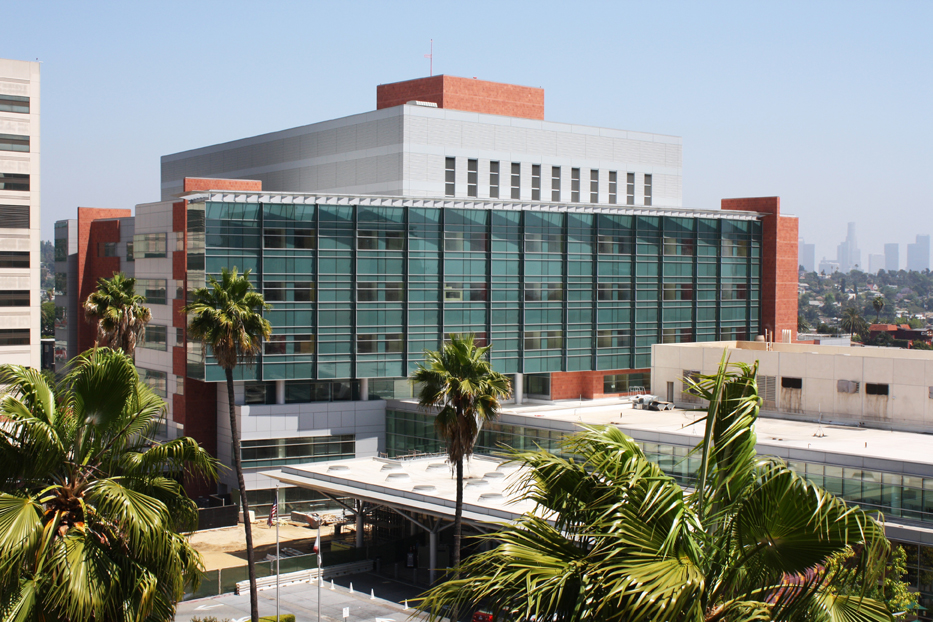
In January 2014, just after her fourth birthday, a Los Angeles girl named Gracie was diagnosed with a rare and aggressive form of leukemia known as Philadelphia chromosome-positive acute lymphoblastic leukemia (Ph+ALL). The diagnosis came after her mother insisted on bloodwork prompted by a severe bruise on the child’s body—the kind associated with major trauma, not a minor bump.
Doctors at Children’s Hospital Los Angeles, where Gracie received treatment, emphasized that childhood cancer is extremely uncommon. During parent education courses, her mother learned that out of 72 million children in the United States, approximately 15,000 are diagnosed with some form of cancer each year—representing just 0.02 percent of the pediatric population. Yet within the hospital’s halls, Gracie’s mother repeatedly encountered families from her own neighborhood.
She met Julia and her two-year-old daughter, Bailey, who lived within three miles of her home. Bailey and Gracie became instant friends, but eleven months after her diagnosis, Bailey died in her father’s arms.
She also met Lauren and her seven-year-old daughter, Hazel, who lived just a few miles away. Hazel fought neuroblastoma, an aggressive cancer of the nervous system, three times before succumbing to her illness. Gracie survived, but her treatment was brutal: she required ten times the average amount of chemotherapy used in children with standard leukemia, lost her curly hair, and became addicted to morphine.
The question that haunts her mother—and every parent she met in those hospital corridors—is whether something in their neighborhood made their children sick.
Understanding Cancer Clusters
Gracie’s mother is not alone in asking that question. A cancer cluster is formally defined as a disease cluster in which a higher number of cancer cases occurs among a group of people within a specific geographic area over a defined period. Such clusters have been recognized for centuries.
One of the earliest documented examples involved scrotal cancer among chimney sweeps in eighteenth-century London. In the twentieth century, clusters included osteosarcoma among women who painted watch dials with radium, bladder cancer in dye workers exposed to aniline compounds, and leukemia in chemical workers exposed to benzene.
These historical cases established that environmental and occupational exposures can cause cancer in groups. When members of the public suspect a cancer cluster, they typically report to state or local health departments that several family members, friends, or neighbors have been diagnosed with the same or related cancers. Health departments then conduct a preliminary review, verifying the types of cancer reported, the number of cases, the geographic area involved, and the patients’ clinical histories.
A committee of medical professionals examines the data to decide whether a full investigation is justified. Such investigations are often lengthy and expensive.
Many suspected clusters turn out to be due to chance alone—random cases of cancer can appear to clump together, leading to misinterpretation.
Investigation and Statistical Significance
A cluster is considered less likely to be coincidental if it involves a single type of cancer, a rare cancer, or a type unusual for a certain age group. Of the inquiries health departments receive each year, only a small fraction are found to be statistically significant. Two well-known clusters that were confirmed include the cases of clear-cell carcinoma caused by prenatal exposure to the drug diethylstilbestrol in the mid-twentieth century, and elevated cancer deaths among marines stationed at Camp Lejeune, where drinking water was contaminated with multiple chemicals.
For families like Gracie’s, the question of whether neighborhood conditions contributed to their children’s illnesses carries deep emotional weight. Childhood cancer is rare, so when several cases occur in a small area, parents naturally wonder about environmental causes.
Public health officials must weigh those concerns against the statistical likelihood of random occurrence. Understanding how cancer clusters are identified and investigated helps readers grasp the complexity behind such heartbreaking anecdotes and the limits of what science can prove in any single community.




