
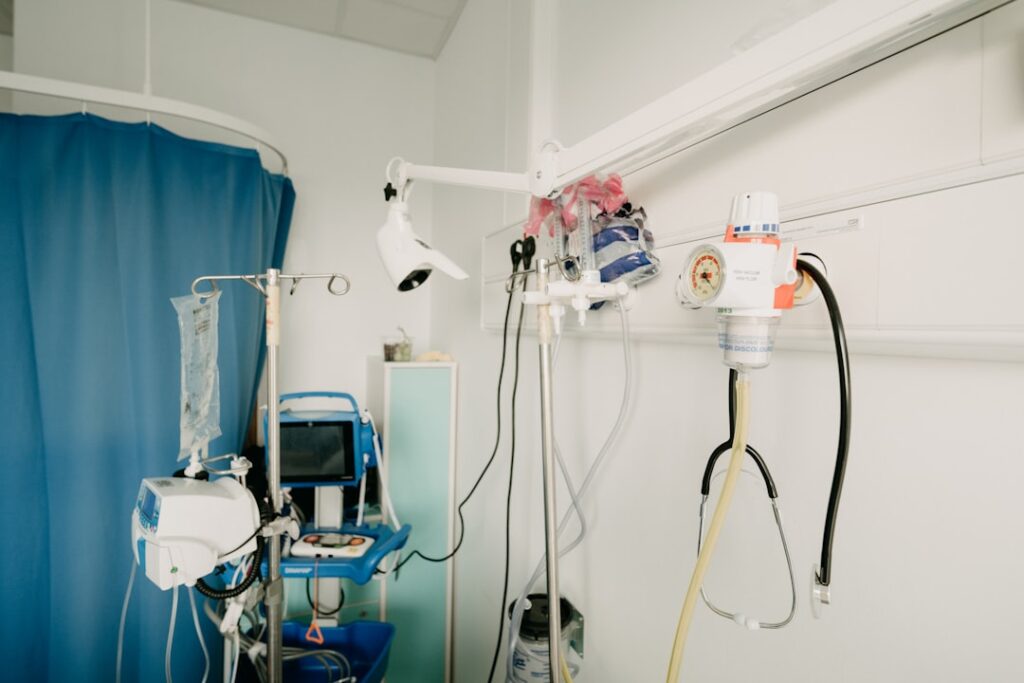
Rwanda’s first recorded Marburg virus outbreak has disproportionately affected healthcare workers, particularly those in intensive care units, marking a critical failure in infection control. As of October 10, 2024, the outbreak had resulted in 58 confirmed cases and 13 deaths, with medical professionals representing a significant portion of those infected.
The concentration of cases among healthcare staff is the defining feature of this outbreak. Individuals trained to contain the virus became its primary victims, despite using protective equipment such as gloves, masks, and gowns. This pattern indicates fundamental weaknesses in the protection systems designed to safeguard frontline workers.
Marburg virus disease causes severe hemorrhagic fever with a high case fatality rate. In this outbreak, 13 people died out of 58 confirmed cases.
However, the toll on healthcare workers signals that defensive protocols failed, raising urgent questions about why standard procedures did not prevent infections. The World Health Organization and the Rwandan government collaborated on the response, which is standard practice. Yet this cooperation did not stop the spread among medical staff.
Possible explanations include gaps in protective protocols, insufficient training, or lack of proper equipment. The report does not identify a single cause but notes that the clustering of cases among healthcare workers “suggests” these deficiencies existed.
Geographic clustering also characterized the outbreak. Seven of Rwanda’s 30 districts reported cases, with the City of Kigali being the hardest hit. Within Kigali, three districts accounted for the majority of infections.
This concentration provides public health officials with a map for targeted interventions, but for healthcare workers, danger existed wherever they performed their duties. This is both Rwanda’s first Marburg outbreak and among the largest ever documented globally.
The report was filed on September 28, 2024, with numbers confirmed by October 10 showing 58 confirmed cases and 13 deaths. A substantial share of those infected were people who came to work to save lives. Infection control in healthcare settings is designed to be robust, particularly against Marburg virus, which requires close contact with bodily fluids for transmission. ICU nurses and doctors constantly handle blood, suction airways, and clean wounds—activities that make transmission almost certain if protective measures fail.
In this outbreak, those measures failed, and workers became sick, with some dying. The WHO and Rwandan government have not released detailed breakdowns of exactly how many healthcare workers were infected or which specific hospitals were affected.
Such details would help identify where the system broke down. Without them, the response remains a general effort rather than a targeted fix. The outbreak continues, and until the gaps are found and closed, frontline workers remain exposed.




