
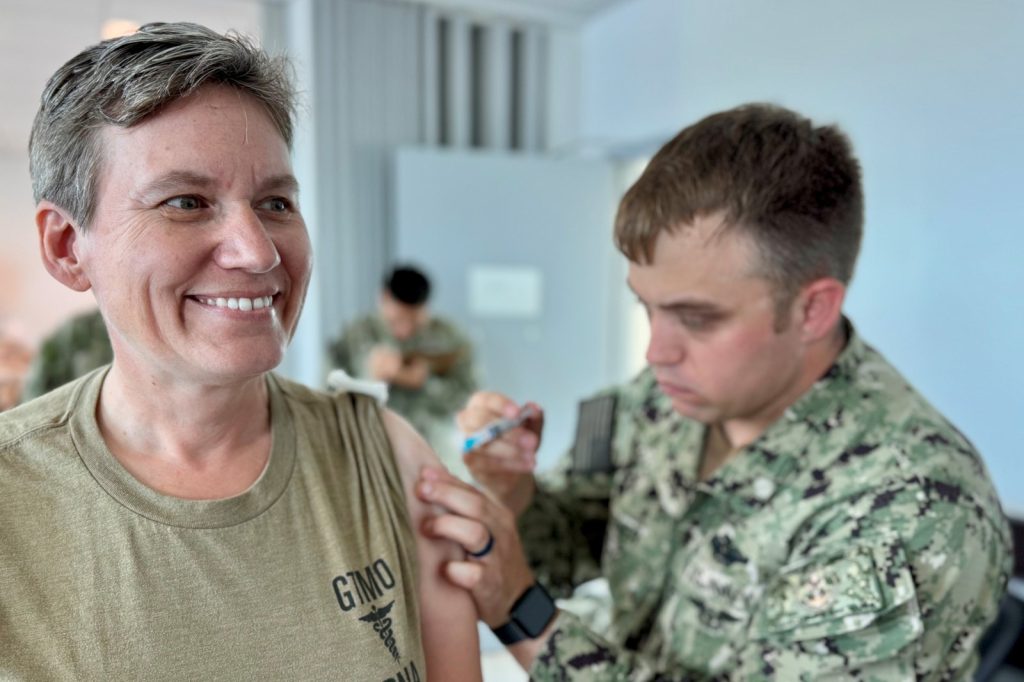
GENEVA, July 8 — The global calculus of public health is undergoing a strategic recalibration, driven by the enduring power of vaccines. From Edward Jenner’s first smallpox vaccine in 1796 to the mRNA breakthroughs of 2020, the history of immunization is a story of deliberate, scientific conquest over nature’s most formidable threats. The broader stakes have never been clearer: vaccines are not merely medical tools, but geopolitical assets in the fight against disease, economic disruption, and social instability.
The World Health Organization’s Expanded Programme on Immunization, launched in 1974, represents one of the most ambitious coordinated campaigns in human history. Its crowning achievement came in 1980, when smallpox was declared eradicated—the first disease ever wiped out by human effort.
This signals what is possible when international cooperation aligns with rigorous science. The WHO now reports that immunization currently prevents an estimated 2 to 3 million deaths annually, a figure that underscores the strategic importance of maintaining robust vaccination infrastructure. The 20th century saw a cascade of vaccine development that reshaped the epidemiological landscape.
Louis Pasteur developed vaccines for rabies in 1885 and anthrax in 1881. Jonas Salk’s polio vaccine arrived in 1955, and by 1988, the global campaign against polio had driven cases down by over 99%.
Measles deaths fell by 73% between 2000 and 2018, a testament to the effectiveness of sustained vaccination efforts. Vaccines for diphtheria (1923), tetanus (1924), pertussis (1926), measles (1963), mumps (1967), and rubella (1969) followed in succession, each representing a strategic victory in the war against infectious disease. In the United States, the Centers for Disease Control and Prevention has quantified the impact of childhood vaccination with stark precision.
Among children born between 1994 and 2013, immunization prevented approximately 21 million hospitalizations and 732,000 deaths. These are not abstract figures; they represent lives saved and healthcare systems unburdened. The broader stakes for national security and economic productivity are evident when one considers the cost of preventable outbreaks.
The modern era of vaccine development took a dramatic leap forward with mRNA technology. In 2020, Pfizer-BioNTech and Moderna deployed this platform to produce COVID-19 vaccines, marking a paradigm shift in how quickly humanity can respond to emerging pathogens.
Strategically, this technology offers a template for future pandemic preparedness, reducing development timelines from years to months. The calculus for governments and global health organizations now includes maintaining mRNA manufacturing capacity as a hedge against the next viral threat. Yet the battlefield is not solely biological.
Vaccine hesitancy remains a persistent challenge, rooted in a 1998 fraudulent study by Andrew Wakefield that falsely linked the MMR vaccine to autism. The study was retracted in 2010, and Wakefield was struck off the UK medical register, but the damage to public trust has proven difficult to reverse.
This signals a critical vulnerability in the global health architecture: scientific consensus can be undermined by disinformation, with real-world consequences for herd immunity and disease control. The history of vaccines is a narrative of incremental but decisive victories. Smallpox is gone.
Polio is on the brink of eradication. Measles, once a leading cause of childhood death, is now preventable with a two-dose regimen. Each of these achievements represents a strategic triumph of science over superstition, of collective action over individual risk.
The broader stakes for the next decade will involve not only developing new vaccines for emerging diseases but also defending the public’s confidence in the tools already in hand. As the world looks ahead, the strategic imperative is clear: maintain the gains, invest in next-generation platforms like mRNA, and confront the misinformation that threatens to unravel decades of progress.
The chessboard of global health is ever-changing, but the pieces—vaccines, public health infrastructure, and political will—remain the same. Consult your doctor for medical advice.




