
NEW YORK, June 28 — A new meta-analysis delivers a clear message for men over 45: the right kind of exercise, done often enough and for long enough, can actually improve bone density. The findings offer a practical, non-drug strategy for a condition that often flies under the radar until a fracture happens. Researchers found statistically significant improvements in bone mineral density at the lumbar spine and femoral neck following exercise interventions.
The total hip, however, did not show a significant response. That distinction matters because it points to where the payoff is greatest for this population.
Here’s what it means in plain terms. Bone loss in men is often subtle and underdiagnosed, making targeted exercise an important preventive strategy. The stakes are real: prior research notes that approximately 25% of men over age 50 will experience a fracture related to low bone density.
That’s a quarter of the male population over 50 facing a potentially life-altering injury that could have been mitigated. The meta-analysis zeroed in on what kind of exercise works best.
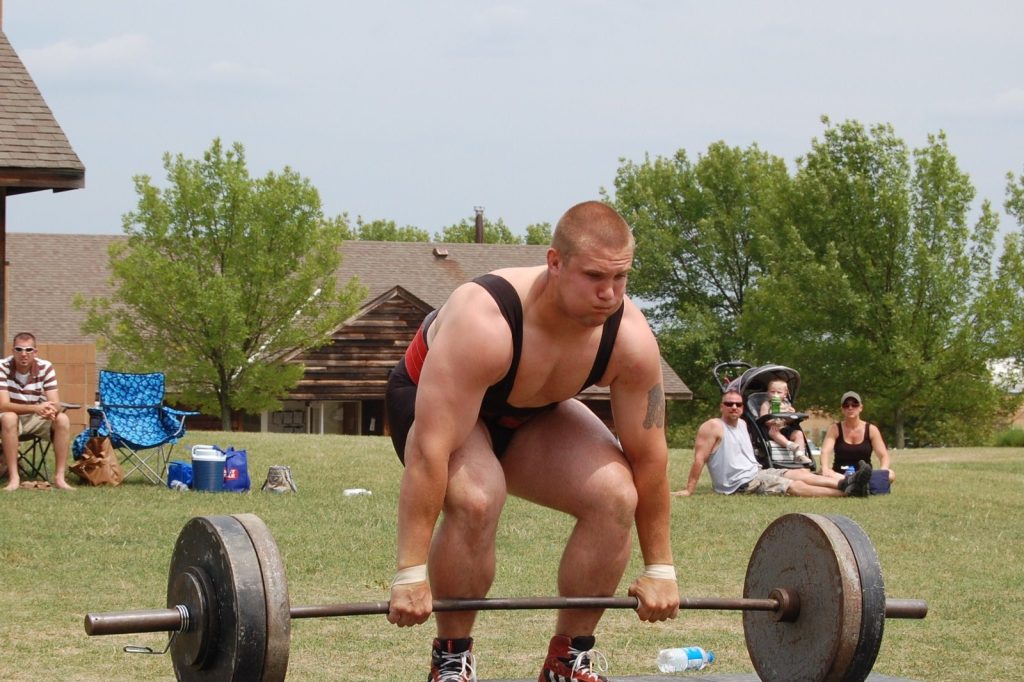
The strongest improvements came from multicomponent exercise — a combination of resistance training and impact activities such as jumping or plyometrics. Think of it like this: if you only lift weights, you’re getting some benefit, but you’re leaving gains on the table. Adding jumps or other plyometric moves creates a mechanical stress that bone responds to by increasing its mass and strength, either through direct impact from weight-bearing activity or through the action of attached muscle, according to a textbook on integrative pain medicine cited in the analysis.
Single-modality training — resistance or aerobic exercise alone — showed weaker effects. The practical upshot: a well-rounded program beats a one-note routine every time. Frequency also proved critical.
Programs with three or more sessions per week led to significant BMD gains, while fewer sessions did not reach statistical significance. This aligns with findings from a study of frail older adults who showed substantial strength and muscle gains after training three times per week at high intensity.
The mechanical loading from each session triggers bone remodeling, and consistent stimulation appears necessary to sustain that process, according to the study authors. Duration matters just as much. Bone adaptation operates on a slower timeline than muscle adaptation, and the meta-analysis confirmed that program duration is critical.
Interventions lasting more than six months produced significant improvements. That’s the patience factor: muscles might show results in weeks, but bone takes its time.
The takeaway for men over 45 is straightforward. A multicomponent exercise routine — resistance training plus impact activities — done at least three times a week for more than six months can measurably improve bone density at key sites. It’s not a quick fix, but it’s an accessible one that doesn’t require a prescription.




