
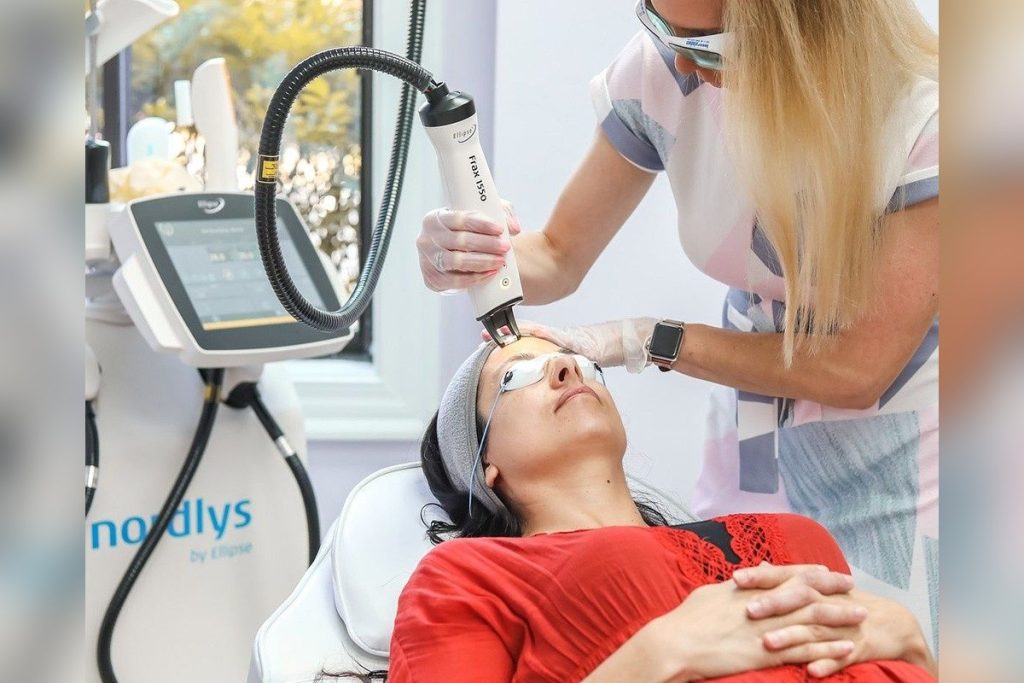
MARLBOROUGH, Mass., June 30 — A peer-reviewed study published today in Scientific Reports, a Nature Portfolio journal, provides the first in vivo human evidence that Candela’s Nordlys 1940 nm non-ablative fractional laser modulates the skin’s epigenetic signature. The research indicates the treatment does more than resurface skin. According to the study, it remodels DNA methylation associated with skin aging.
The paper was published at 09:07 ET by Candela Corporation. The record shows this is the first human evidence that a non-ablative fractional laser can reverse the skin’s epigenetic signature of aging.
On the timeline, the findings establish a direct molecular link to skin cancer biology. Researchers found that the Nordlys laser treatment alters DNA methylation patterns, which are known to change with age and sun exposure. The study’s publication in Scientific Reports lends peer-reviewed credibility to the findings.
The journal is part of the Nature Portfolio, a respected scientific publishing group. Candela Corporation, based in Marlborough, Massachusetts, announced the study results this morning.
The company manufactures the Nordlys laser system used in the research. The findings have implications beyond cosmetic dermatology. Because the treatment targets epigenetic changes linked to skin cancer, researchers see potential applications in cancer prevention and treatment.
Scientists have long known that DNA methylation patterns change as skin ages. These epigenetic modifications can influence gene expression and cellular function. The new evidence suggests that the 1940 nm non-ablative fractional laser can reverse some of these age-related changes.
This represents a shift in understanding of how laser treatments work at the cellular level. Previous understanding held that fractional lasers primarily stimulated collagen production and improved skin texture.
The new research adds a molecular dimension to those effects. The study opens questions about optimal treatment protocols for epigenetic remodeling. Researchers will need to determine how many treatments are needed and how long the epigenetic changes persist.
Watch for follow-up studies examining whether the epigenetic changes translate into reduced skin cancer rates. The research community will also look for studies comparing different laser wavelengths and energies for their epigenetic effects. Consult your doctor for medical advice.




