
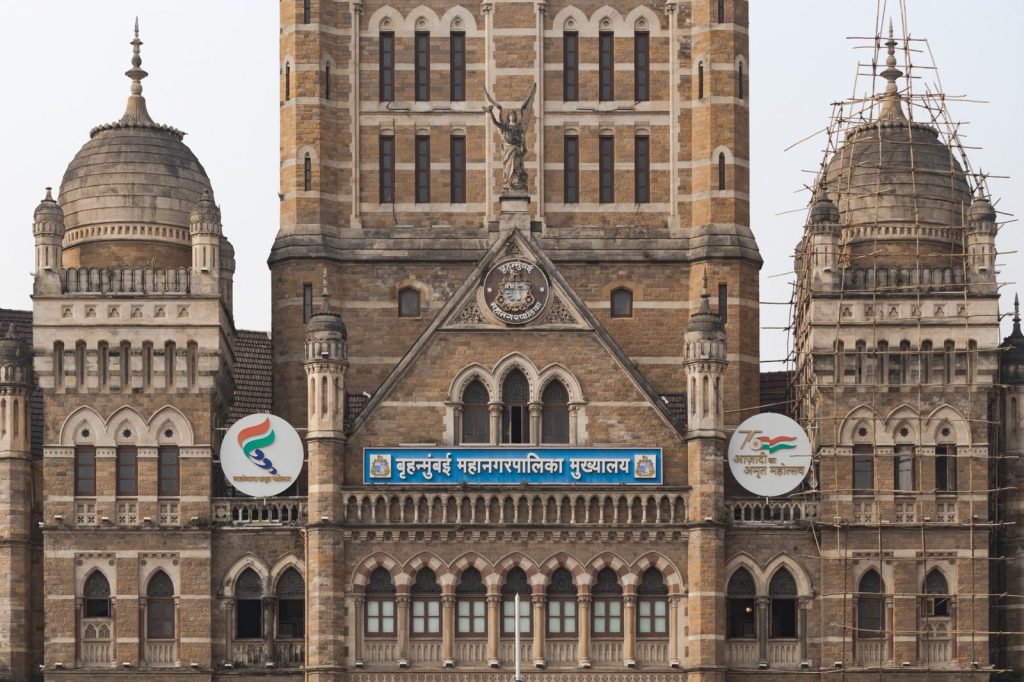
The Threat of Leptospirosis
Leptospirosis is caused by Leptospira bacteria, which spread through water or soil contaminated with urine from infected animals, most commonly rats. The bacteria enter the human body through cuts or abrasions on the skin, or through the mucous membranes of the eyes, nose, or mouth. Even brief contact with floodwater poses a risk, especially for individuals with open wounds. The disease is endemic in Mumbai, with hundreds of cases reported annually. According to BMC data, the city recorded 1,024 leptospirosis cases and 42 deaths in 2023 alone.
Symptoms of the infection include fever, headache, and muscle pain. In severe cases, the infection can progress to Weil’s disease, which involves kidney damage, liver failure, and meningitis. Some patients develop severe pulmonary haemorrhage syndrome, which causes bleeding in the lungs. The mortality rate for severe leptospirosis is significant, though early intervention dramatically improves outcomes. Doctors typically diagnose the infection by searching for bacterial DNA in the blood or testing for antibodies. The disease is treatable with antibiotics if caught early, which is why the BMC’s advisory stresses that anyone who develops fever after wading through floodwater should seek medical attention without delay.
Prevention and Public Health Response
The BMC’s advisory emphasizes preventive measures, including avoiding contact with potentially contaminated water and wearing boots or other protective footwear. The corporation also urges prompt medical attention for anyone who develops fever after exposure to floodwater. The advisory’s release on July 10, 2026, aligns with the height of the monsoon season, when waterlogging is common across low-lying areas of the city. The bacteria that cause leptospirosis are spread through water or soil contaminated with urine from infected animals, especially rats. Rodents are the most common carriers, and their populations are fueled by urban growth and poor waste management. Heavy rainfall and subsequent flooding then spread the bacteria through the water, increasing the risk of human infection.
In developing nations, leptospirosis often affects farmers and people living in areas with poor sanitation. In developed nations, it typically appears after heavy rain and affects sewage workers or people in wet, warm environments. The disease remains a persistent threat because it links human health to animal populations and the environment. Urban expansion and inadequate waste management increase rodent numbers, and then monsoon flooding disseminates the bacteria through floodwater. While antibiotics can treat the infection, the risk of death rises sharply if the lungs are affected.
Broader Implications and Ongoing Risks
Leptospirosis is a blood infection caused by bacteria that can infect humans and various wild or domesticated animals. The bacteria spread through animal urine or feces and can travel via contaminated water and soil. Humans contract the infection when these materials touch the eyes, nose, or mouth, or enter through breaks in the skin. Symptoms vary from mild fevers and headaches to severe conditions. The most acute form is Weil’s disease, which causes jaundice, kidney failure, and bleeding. Some patients develop severe pulmonary haemorrhage syndrome, which involves bleeding in the lungs.
Doctors typically diagnose the infection by searching for bacterial DNA in the blood or testing for antibodies. The mortality rate for severe leptospirosis is significant, though early intervention dramatically improves outcomes. The BMC’s advisory serves as a critical reminder for residents to take precautions during the monsoon season. With waterlogging a recurring issue in low-lying areas, the risk of exposure remains high. The advisory urges citizens to avoid wading through floodwater and to wear protective footwear, and to seek medical attention without delay if fever develops after such exposure. Consult your doctor for medical advice.




