
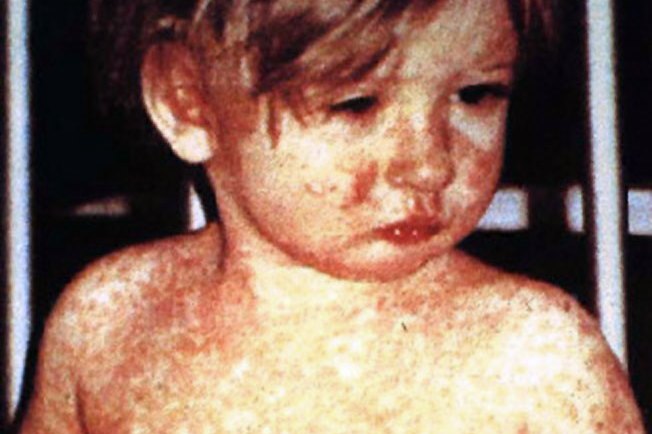
Measles Claims Young Life in Hamilton, Exposing Vaccination Gap
A toddler in Hamilton died from measles because the child had not yet reached the age for the first vaccine dose. The measles immunisation schedule calls for an initial shot between 12 and 15 months of age, followed by a second dose between four and six years. Infants and toddlers therefore remain in a period of vulnerability where the virus can strike.
Canada declared measles eliminated in 1998, a status that depends on maintaining immunisation coverage above 95 percent. When coverage falls below that threshold, the virus can re‑emerge.
Hamilton’s 2021 census recorded a population of 569,353, and a single case can quickly seed an outbreak given how contagious measles is. Measles ranks among the most transmissible infections known. The virus can linger in indoor air for up to two hours after an infected person leaves a room.
Approximately nine out of ten unvaccinated individuals who are exposed will become infected. Dr. Natasha Crowcroft, an infectious‑disease specialist, has repeatedly warned that high vaccination rates are essential to keep the disease at bay.
The Hamilton death underscores her warning. The last recorded measles fatality in Ontario occurred in 1989, meaning three decades have passed without a child dying from the illness. A whole generation of parents has grown up never witnessing the severe consequences of measles, which may leave them unaware of what the disease entails. Clinical presentation begins with fever, cough, runny nose and red eyes, followed by a characteristic rash.
However, complications are frequent. About one in five unvaccinated people who contract measles require hospitalisation.
Roughly one in 1,000 develop encephalitis that can lead to deafness or lasting intellectual disability. Mortality estimates range from one to three deaths per 1,000 cases, most often due to pneumonia or encephalitis. The burden falls hardest on children under five and adults over 20.
Dr. Elizabeth Richardson, Hamilton’s Medical Officer of Health, said the city is actively working to prevent further spread. She described vaccination as the most effective preventive tool.
Public‑health teams will likely trace contacts, offer post‑exposure prophylaxis, and isolate confirmed cases, but these actions are reactive; true protection must be in place before the virus arrives. Herd immunity shields those who cannot be vaccinated — infants, patients undergoing chemotherapy, and organ‑transplant recipients — by relying on the immunity of the surrounding community. When vaccination rates slip, these vulnerable groups bear the cost.
The Hamilton child was among those unprotected, as are other local children and youngsters across Ontario. The Greater Toronto and Hamilton Area is densely populated and highly mobile, allowing measles to move freely across municipal borders.
A case in one city can spark infections in another within days. Transmission occurs via coughs and sneezes, and the virus can spread before the rash appears or before anyone feels ill. By the time a case is laboratory‑confirmed, exposure may already have occurred in schools, day‑cares, waiting rooms, or grocery stores.




