
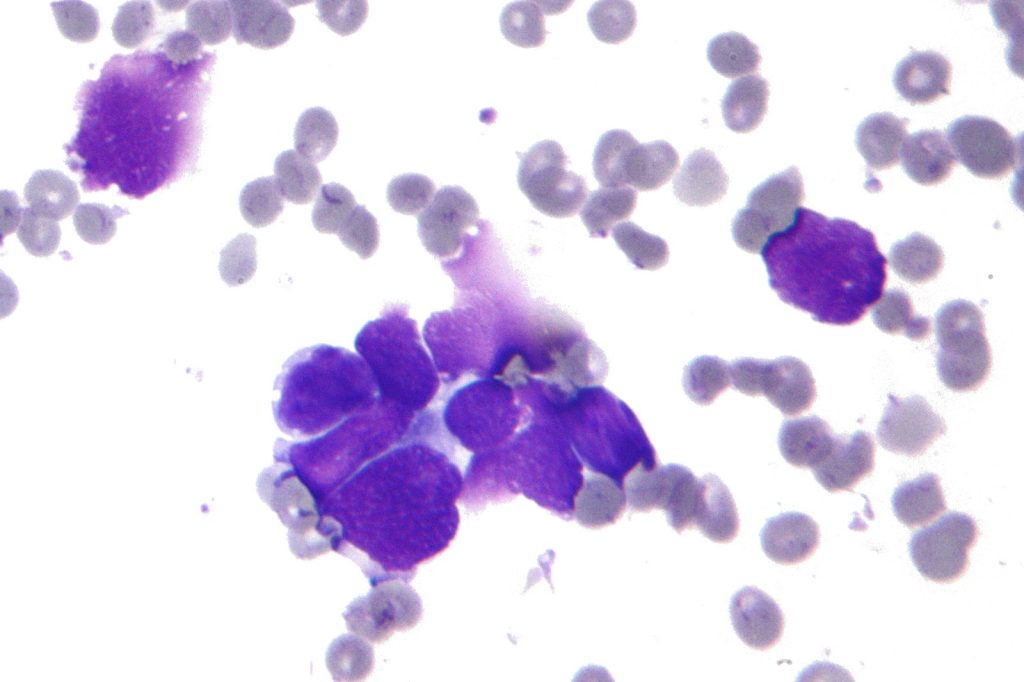
The U.S. Food and Drug Administration approved Tarlatamab on May 15, 2024, marking a significant development for patients facing extensive-stage small cell lung cancer. This cancer, which represents 10 to 15 percent of all lung cancer cases, is known for its rapid spread and poor prognosis. In its extensive-stage form, the tumor has already moved beyond one lung, frequently reaching the other lung, liver, or brain.
Median survival for these patients is measured in months. Standard treatments, including chemotherapy and immunotherapy, often provide only temporary control.
Relapse is common, and when it occurs, subsequent treatment options have been limited. Tarlatamab, sold under the brand name Imdelltra, introduces a novel mechanism of action for this disease. It is a bispecific T-cell engager, a type of drug that simultaneously binds to two targets: delta-like ligand 3 on cancer cells and CD3 on the body’s own immune T-cells.
This forces a connection, directing the immune system to attack the tumor. The FDA designated the drug as first-in-class, meaning this specific approach has never before been approved for this cancer.
The approval was granted through the agency’s accelerated pathway, which allows earlier patient access based on promising early trial results. The manufacturer must now conduct further studies to confirm the clinical benefit. If the data does not hold up, the approval can be withdrawn.
Tarlatamab is not a cure, but it provides a new tool for oncologists. It attacks the cancer through a different biological pathway than previous treatments, offering an option for patients who have exhausted standard therapies.
This changes the treatment landscape for a disease where every week can be critical. The drug does come with side effects. The most significant is cytokine release syndrome, a systemic inflammatory response that can feel like a severe flu. Other common side effects observed in trials include fatigue, fever, changes in taste, loss of appetite, and muscle or bone pain.
Patients and their doctors will need to carefully weigh these risks against the potential benefits. For people with extensive-stage small cell lung cancer, time is a precious resource.
A drug that works for even a subset of patients can turn a dead end into a detour. The approval of Tarlatamab gives doctors a new weapon and patients a new chance. While the science involves complex biology and side effect management, the impact is deeply personal for those facing this aggressive diagnosis.




