
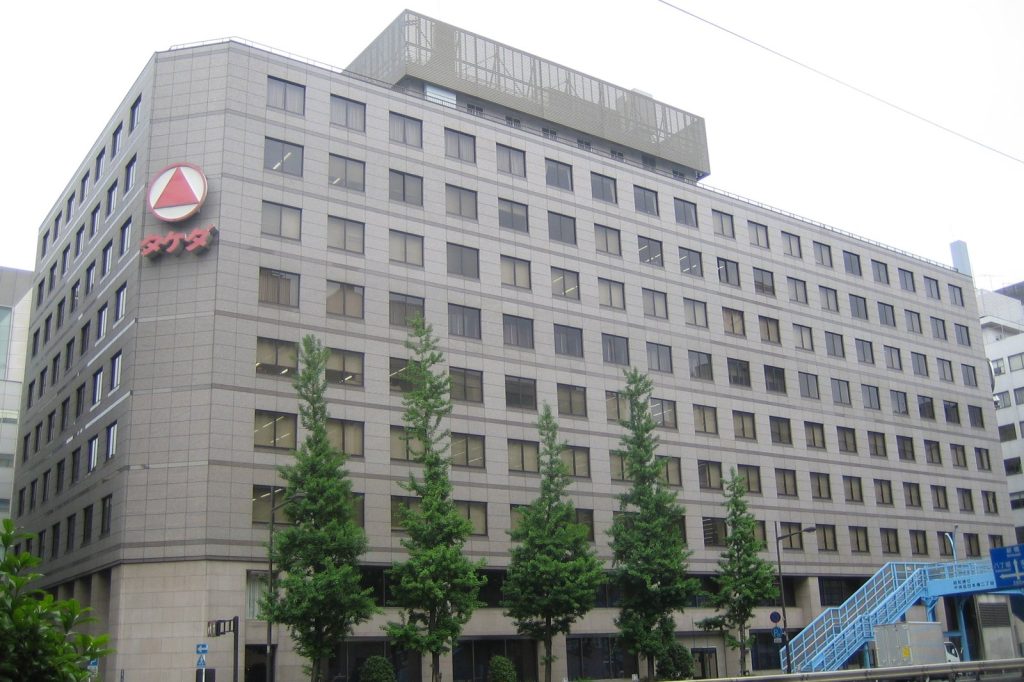
On 5 March 2020, Takeda Pharmaceutical Company announced the launch of a new therapy, designated TAK‑888, that will use plasma from individuals who have recovered from COVID‑19. The Osaka‑based firm intends to collect antibodies that neutralise the virus, concentrate them and deliver the product intravenously to hospitalised patients whose condition is worsening. TAK‑888 is aimed at patients who are progressing toward severe respiratory failure and may soon require mechanical ventilation.
By supplying ready‑made antibodies, Takeda hopes to reduce the need for ventilators and shorten intensive‑care unit stays. The approach is a treatment, not a vaccine, and therefore will not prevent infection but could improve outcomes for those already ill.
The concept of convalescent‑plasma therapy dates back to the 1918 influenza pandemic and has been employed in later outbreaks of measles, mumps, SARS and MERS. Takeda’s contribution is the application of industrial‑scale purification: the company plans to pool plasma from hundreds of donors, extract virus‑neutralising immunoglobulins, and remove other blood components that might trigger allergic reactions.
According to Rajeev Venkayya, president of Takeda’s Vaccine Business Unit, the target group is “hospitalised patients who are progressing toward severe respiratory failure,” with the objective of “reducing the need for mechanical ventilation and shortening intensive‑care stays.” He conveyed this message during a telephone briefing with reporters. Takeda estimates that the first clinical batches could be ready within nine months of the announcement, placing a potential launch around December 2020, provided that regulatory agencies in Asia, Europe and the United States accelerate their review processes.
Company officials acknowledge that the nine‑month timetable is optimistic and that several challenges must be overcome. Key hurdles include securing a sufficient pool of donors who meet strict criteria: each donor must have tested negative for SARS‑CoV‑2 on at least two occasions and possess high antibody titres. The collected plasma must also undergo screening for hepatitis B, hepatitis C, HIV and other blood‑borne pathogens, a process that adds both time and cost.
Because each recovered individual can provide only a limited volume of plasma and antibody concentrations vary, Takeda intends to blend donations to achieve a consistent product. While this pooling strategy helps standardise potency, it also multiplies the number of samples that require safety testing.
Takeda, Japan’s largest pharmaceutical company, possesses the manufacturing capacity required for large‑scale plasma processing, but it has not disclosed the exact number of donors it seeks, the geographic sources of those donors, or the projected price of TAK‑888. The therapy is positioned as a bridge until a vaccine becomes widely available, or for patients for whom a vaccine may be ineffective. Success will depend on the speed of donor recruitment, the efficiency of plasma screening, and the willingness of regulators to fast‑track approval.
In summary, Takeda is reviving a century‑old medical technique—convalescent plasma therapy—by adapting it to the unprecedented scale of the COVID‑19 pandemic. Whether the company can meet its nine‑month target and bring TAK‑888 to bedside use remains to be seen, as the global health landscape continues to evolve.




