
FDA Clears Bispecific Antibody for NRG1‑Fusion Lung and Pancreatic Cancers
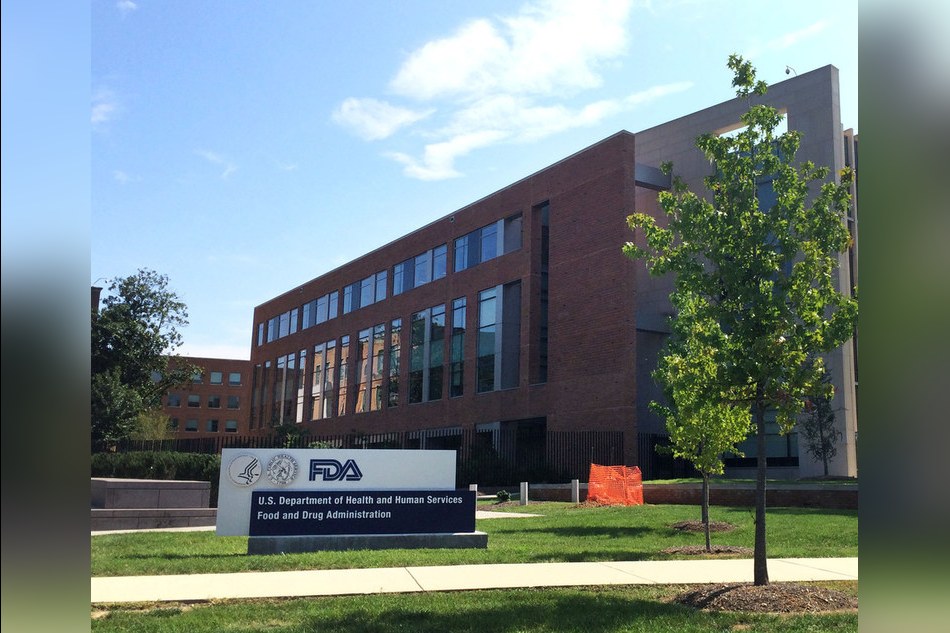
On December 15 the U.S. Food and Drug Administration granted approval to zenocutuzumab, marketed as Bizengri, for patients whose non‑small cell lung cancer or pancreatic adenocarcinoma is driven by a neuregulin 1 (NRG1) gene fusion. The agent is a bispecific antibody engineered as a low‑fucose, humanized immunoglobulin G1 that simultaneously binds HER2 and HER3 receptors on tumor cells.
This marks the first systemic therapy authorized specifically for an NRG1‑fusion alteration in either disease. Although the fusion occurs in only a small fraction of cases, those patients have historically faced few therapeutic options. The FDA applied its first‑in‑class designation, indicating that the mechanism represents a genuine advance over existing treatments. Pancreatic cancer remains a lethal diagnosis, with five‑year survival rates lingering in the single digits, while non‑small cell lung cancer accounts for more cancer deaths in the United States than any other malignancy.
A drug that works in a genetically defined subset of either condition is not a cure‑all, but it offers a meaningful alternative for a population that previously had little else. The approval rests on the drug’s demonstrated ability to delay disease progression in the NRG1‑fusion groups.
Although the trial data were not disclosed in the announcement, the agency’s decision to proceed suggests that the observed activity met the threshold for clinical benefit. Zenocutuzumab works by intercepting the interaction between neuregulin 1 and its HER2/HER3 receptors, a signaling cascade that can promote uncontrolled proliferation. As a low‑fucose antibody, its design is intended to increase engagement of immune effector cells, adding an immune‑mediated dimension to the receptor blockade.
Common adverse events reported include diarrhea, musculoskeletal pain, fatigue, nausea, infusion‑related reactions, shortness of breath, rash, constipation, vomiting, abdominal pain, and edema. Laboratory abnormalities reaching grade 3 or 4 consisted of elevated gamma‑glutamyl transferase, reduced hemoglobin, low sodium, and decreased platelet counts.
These effects necessitate routine monitoring, with dose interruptions or reductions and supportive care employed as needed. The clearance highlights a broader shift toward increasingly precise oncology therapeutics that target narrow molecular niches. Drugs such as zenocutuzumab are unlikely to become blockbusters because they serve limited patient populations, which raises development costs and complicates large‑scale trial execution.
By approving the agent on the basis of early evidence in a rare molecular subset, the FDA creates a precedent that may encourage further investment in similarly focused programs. Real‑world impact will depend on how frequently clinicians test for NRG1 fusions in lung and pancreatic cancers.
Currently, such testing is not standard practice in either disease, meaning many eligible patients could remain unidentified if screening does not increase. Pathologists and oncologists will therefore need to adopt appropriate genomic assays to capture the subset that could benefit from zenocutuzumab. While the approval does not constitute a paradigm shift, it represents a deliberate, molecularly defined step forward.
For the small number of individuals whose tumors harbor the NRG1 fusion, the availability of Bizengri may constitute a critical new option in their treatment arsenal.
FDA Clears Bispecific Antibody for NRG1‑Fusion Lung and Pancreatic Cancers
– words: FDA(1) Clears2 Bispecific3 Antibody4 for5 NRG1‑Fusion6 Lung7 and8 Pancreatic9 Cancers10. That’s 10 words.
Paragraph1: “On December 15 the U.S. Food and Drug Administration granted approval to zenocutuzumab, marketed as Bizengri, for patients whose non‑small cell lung cancer or pancreatic adenocarcinoma is driven by a neuregulin 1 (NRG1) gene fusion. The agent is a bispecific antibody engineered as a low‑fucose, humanized immunoglobulin G1 that simultaneously binds HER2 and HER3 receptors on tumor cells.”
Count: On1 December2 153 the4 U.S.5 Food6 and7 Drug8 Administration9 granted10 approval11 to12 zenocutuzumab,13 marketed14 as15 Bizengri,16 for17 patients18 whose19 non‑small20 cell21 lung22 cancer23 or24 pancreatic25 adenocarcinoma26 is27 driven28 by29 a30 neuregulin31 132 (NRG1)33 gene34 fusion35. The36 agent37 is38 a39 bispecific40 antibody41 engineered42 as43 a44 low‑fucose,45 humanized46 immunoglobulin47 G148 that49 simultaneously50 binds51 HER252 and53 HER354 receptors55 on56 tumor57 cells58.
So paragraph1 58 words.
Paragraph2: “This marks the first systemic therapy authorized specifically for an NRG1‑fusion alteration in either disease. Although the fusion occurs in only a small fraction of cases, those patients have historically faced few therapeutic options. The FDA applied its first‑in‑class designation, indicating that the mechanism represents a genuine advance over existing treatments.”
Count: This1 marks2 the3 first4 systemic5 therapy6 authorized7 specifically8 for9 an10 NRG1‑fusion11 alteration12 in13 either14 disease15. Although16 the17 fusion18 occurs19 in20 only21 a22 small23 fraction24 of25 cases,26 those27 patients28 have29 historically30 faced31 few32 therapeutic33 options34. The35 FDA36 applied37 its38 first‑in‑class39 designation,40 indicating41 that42 the43 mechanism44 represents45 a46 genuine47 advance48 over49 existing50 treatments51.
Paragraph2 51 words.
Paragraph3




